

You can read full review of the Christopher Ward Bel Canto here
Much of Christopher Ward’s past technical success can be attributed to watchmaking design under the helm of Johannes Jahnke, who was an engineer and then technical director at Synergies Horlogères (SH) until 2017. In 2009, just four years after the launch of the company’s first watch, Janhke was working on the brand’s first in-house movement. But it was Jahnke’s approach to modular construction that set the stage for the Bel Canto.
The modules, created by Christopher Ward in collaboration with SH, were designed to fit seamlessly onto existing ETA or Sellita movements, aiming to make high-end complications more accessible to watch enthusiasts. The first of these was the JJ01, Jahnke’s incredibly precise jump hour module, which draws power back over an hour and releases it without affecting timekeeping. Following that, there was the JJ02, a monopusher chronograph module, the JJ03, a world timer, and the JJ04, a moonphase module that’s accurate for an impressive 128 years—something only a handful of brands can claim.
That left Christopher Ward well-positioned for such an experimental endeavor as the Bel Canto. It was the JJ01 that made set the stage but it was Seltzer, the brand’s master watchmaker, who realized the implication of the module in a chiming watch.

It’s quite similar in concept to how many traditional complications work. There’s a lever in place that makes contact with a snail or cam positioned on the minute wheel. This lever takes the power, drawing it slowly over the course of an hour. Then, once every hour, the lever releases, hitting a star at the center, which causes the star to advance by one step and in turn, moves the jumping disc. But then Seltzer had an interesting thought—what if we take that same lever, and instead of it hitting the star, we use it to hit a sound spring, creating a rich, gong-like effect instead? This innovative idea led to the creation of a new movement, which required over 50 entirely new components. The masterminds behind the concept, at the time, could never have imagined that it would actually be possible to bring it to life in such a groundbreaking way.
With these modifications, Christopher Ward had successfully created a “sonnerie au passage” a watch that chimes once to mark the passing of the hour—all powered by an automatic SW200 Sellita base movement. This new creation was named the Calibre FS01. The movement had originally been used by the German brand MeisterSinger for their own sonnerie, which was released in 2021 at a price of around €3,700. While that particular watch gained some attention, it was nothing compared to the level of recognition and excitement that would follow Christopher Ward’s version.
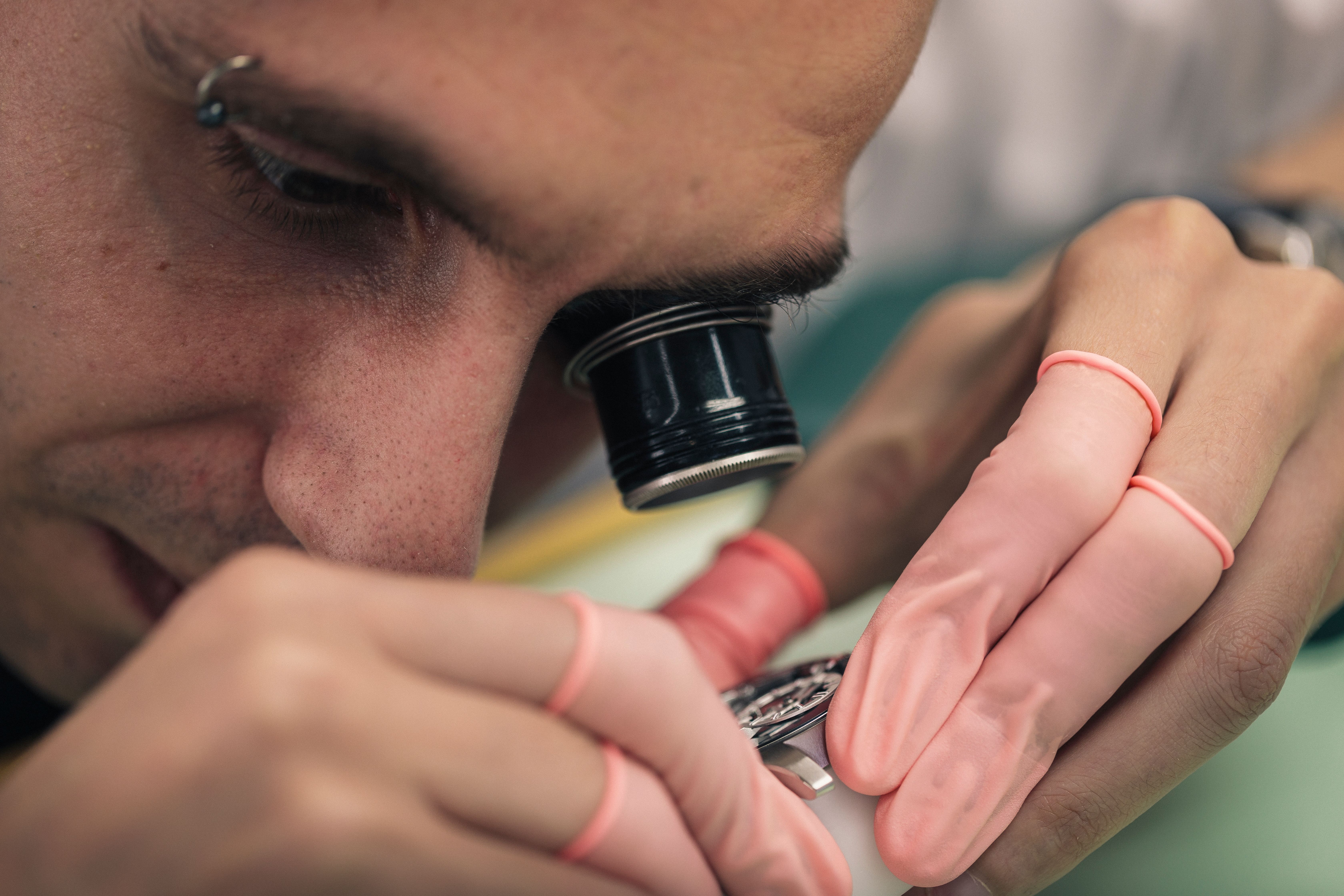



The team quickly realized they had something with immense potential, and eager to showcase it, they reflected on past collaborations with Chronode (The ones that have brought you MB&F Legacy Machine I). Where they had paid special attention to the finishing of their movements. However, this new movement, in their own words, was practical but “ugly,” so they knew they had a lot of work ahead of them. Drawing inspiration from their love of three-dimensional design, a style popularized by MB&F, the team approached the project with wide-eyed enthusiasm and a touch of naivety. They saw this as a strength, believing it allowed them to take bold risks and ultimately achieve something truly groundbreaking.
Here I have found some early designs of the front of the watch (Sketches courtesy Christopher Ward.) They started the development of the Bel Canto in the early 2019.


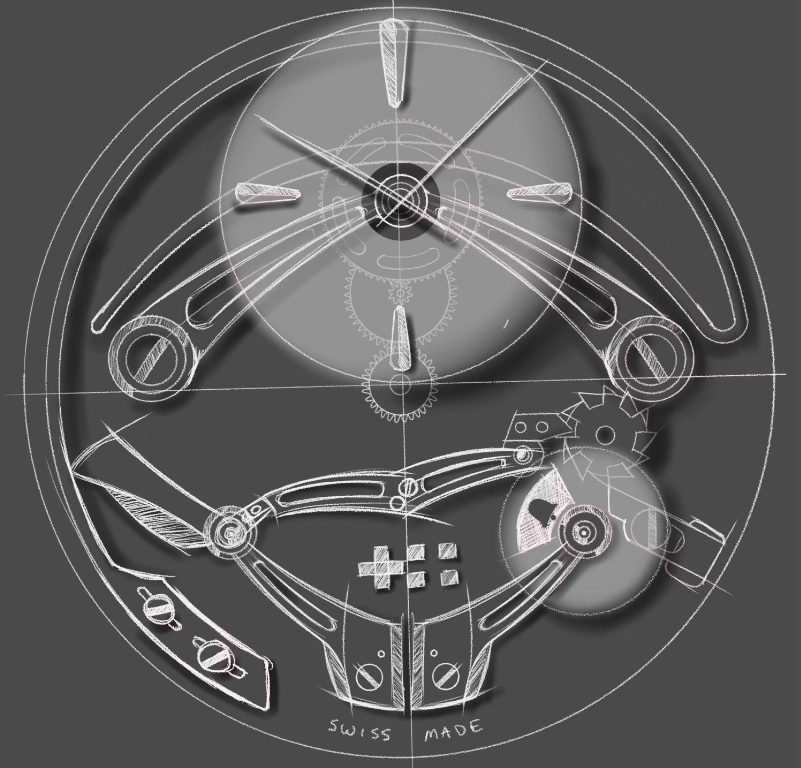
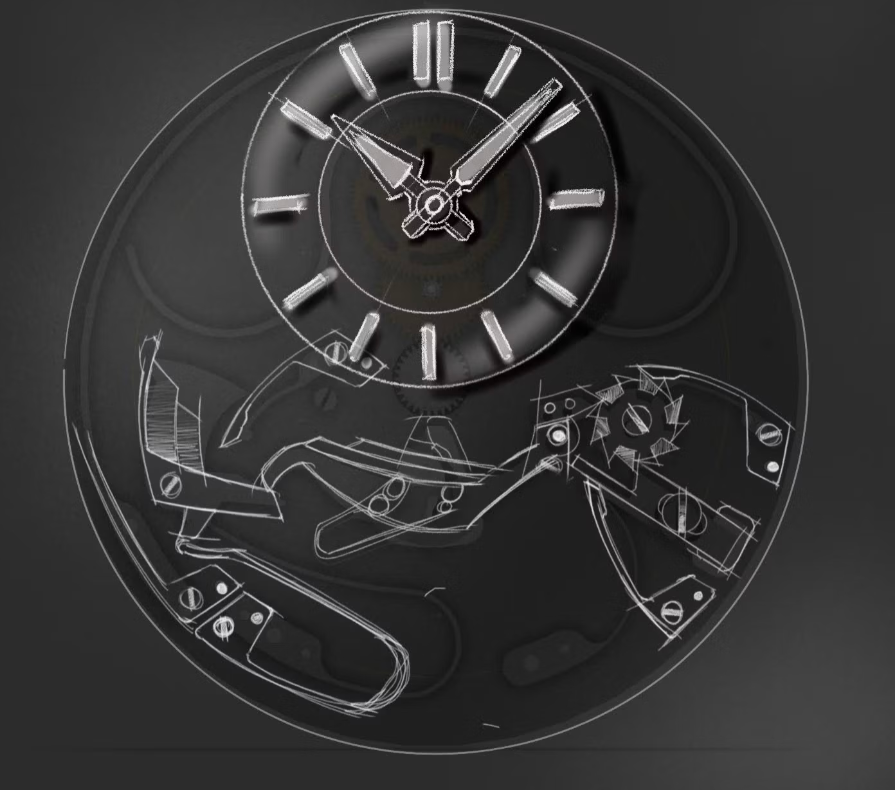
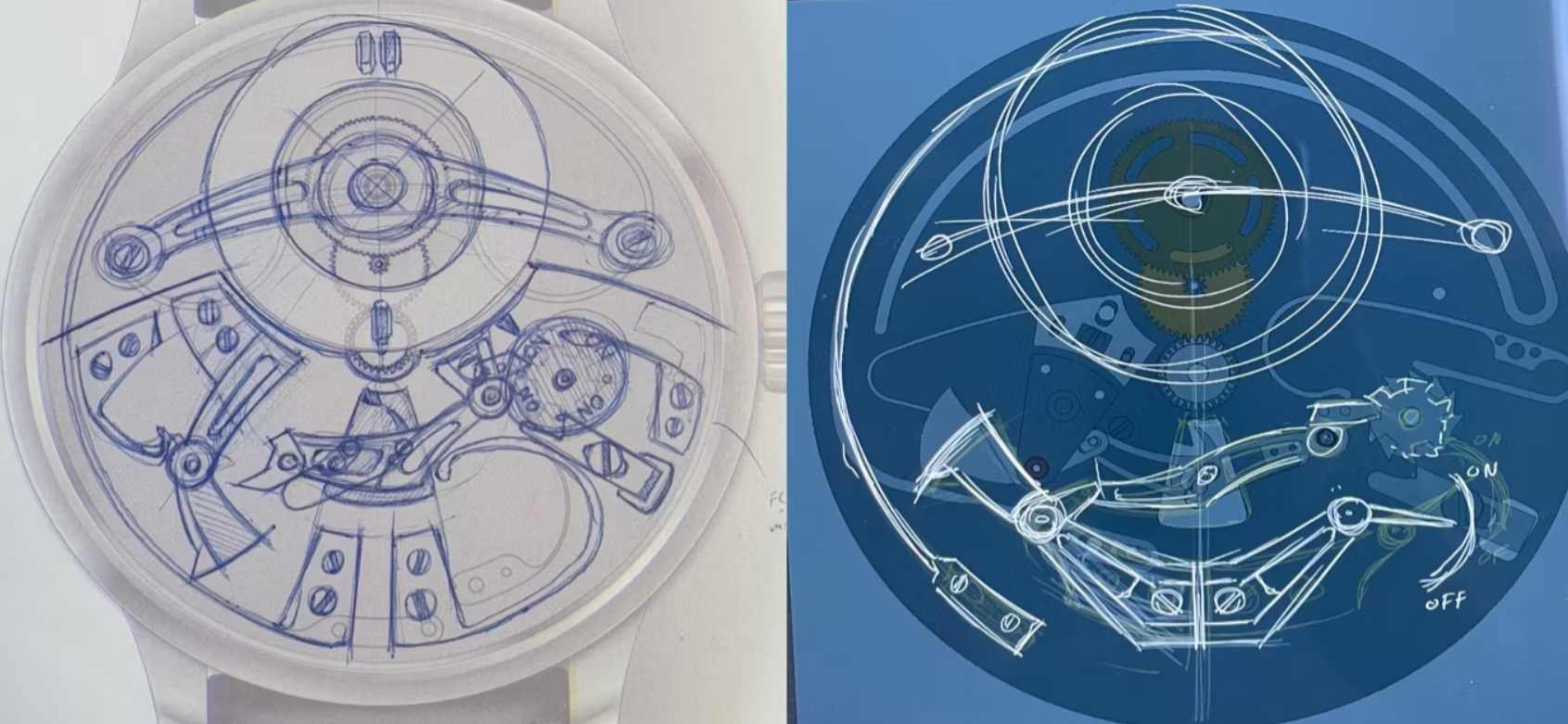
It was crucial for the team to create something symmetrical, with the time display clearly separated from the chiming mechanism, allowing them to fully showcase both components. However, every time they tried to move a part around, the entire module would almost need to be redesigned from scratch. The watchmakers revealed that they went through 20 or more iterations before they finally landed on a design that not only looked great but also worked perfectly. The project manager also admitted that, had they done a thorough cost analysis and tracked every financial detail throughout the process, this project likely would’ve been halted much earlier.
Early in the design process they went the simple way, to kind of cut down a number of components you could see on the dial side and finish those as perfectly as possible. Once they decided on that they stuck with all the parts and thus came the hard process of making it “looking good”, closing all the holes and hiding the screws as much as possible. Will Brackfield (Designer for Christopher Ward) said on Hodinkee interview: “If you hide things on the back, you’re going to see the backs of screws or get holes in the platine (the plate where parts would be attached). We still have a few small holes, but there were maybe 15 or 20 to start with. Then there’s the fact that at this point we still didn’t fully know if it would function.”
The first prototype of the Bel Canto was created by Christopher Ward’s master watchmaker, Seltzer. Working in his workshop in Switzerland, he was given the responsibility of handcrafting the prototype, using the milling and CNC machines at his disposal to bring the design to life.
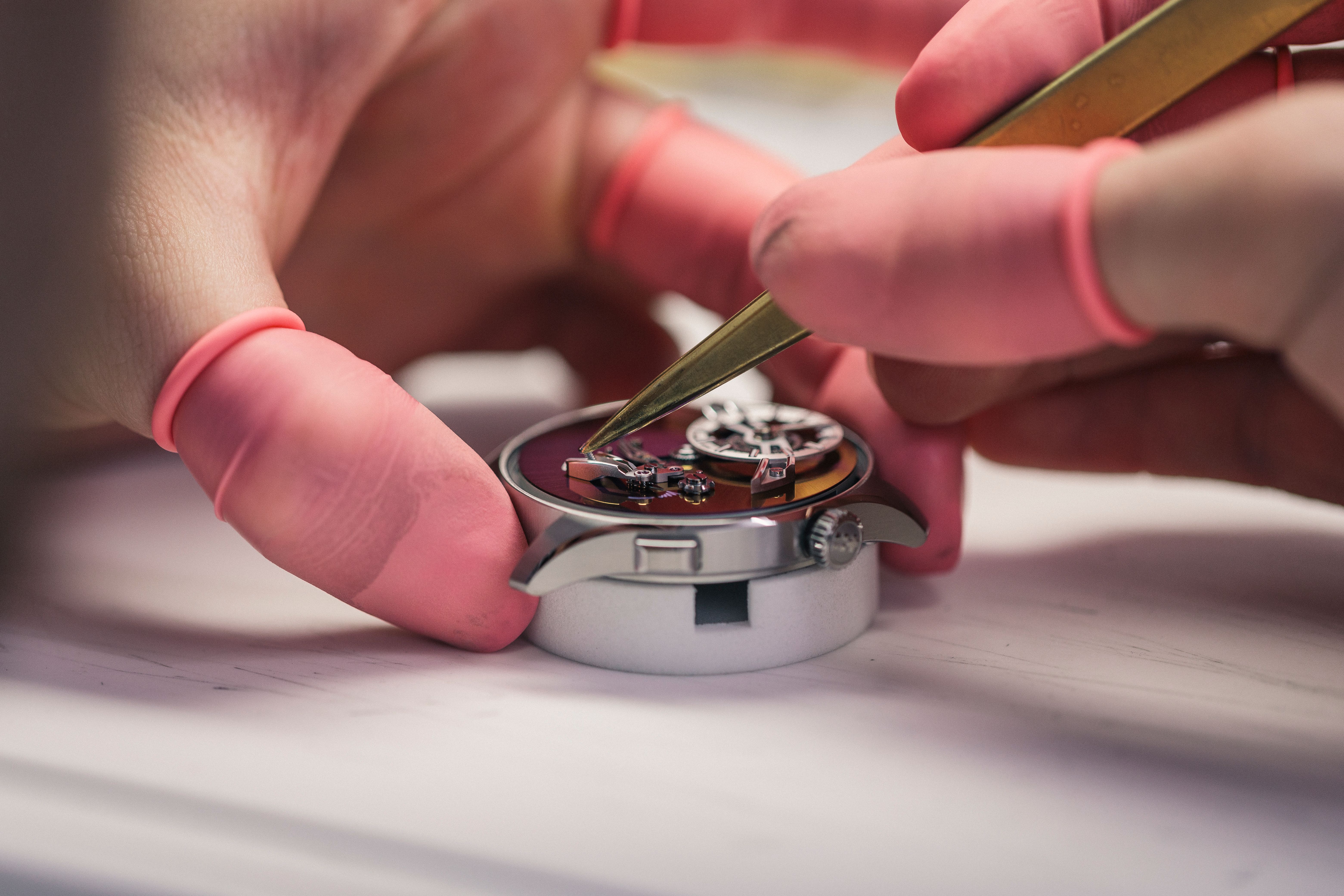
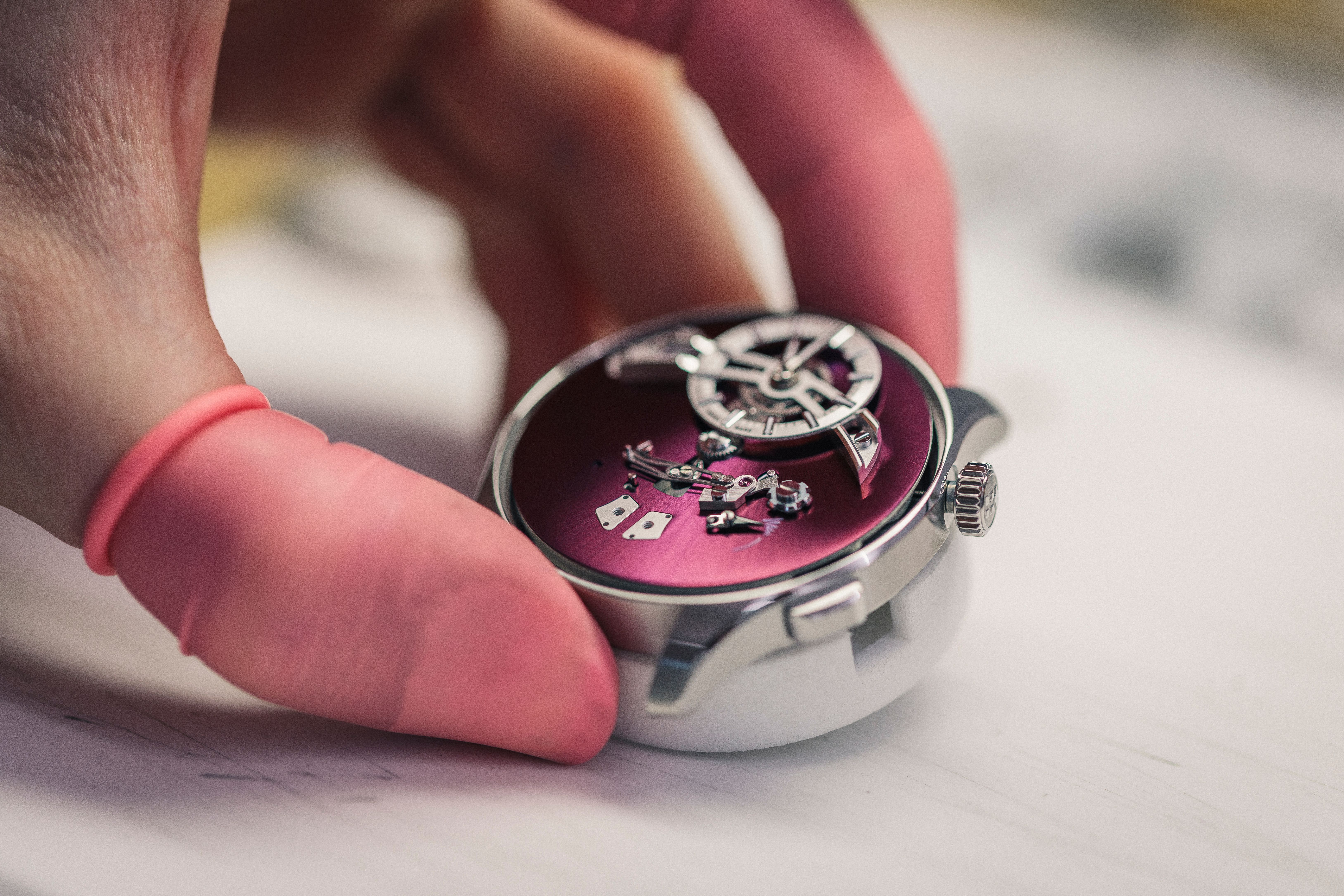
By July or August, the team had a clear vision of how the watch would look and, after testing the chime, were about 90% of the way to achieving an acceptable sound. While it wasn’t going to chime like a Patek Philippe Repeater or an F.P. Journe Sonnerie, no one was expecting it to. The fact that they had managed to create the sound they envisioned, all while hitting their price target, was an accomplishment in itself. Although F.P. Journe claims that steel is the best material for chiming watches, the team had a strong intuition that the hardest material would be the most durable and provide the best sound. They tested more than 80 different sound springs and materials before finally settling on the steel and design we see today.
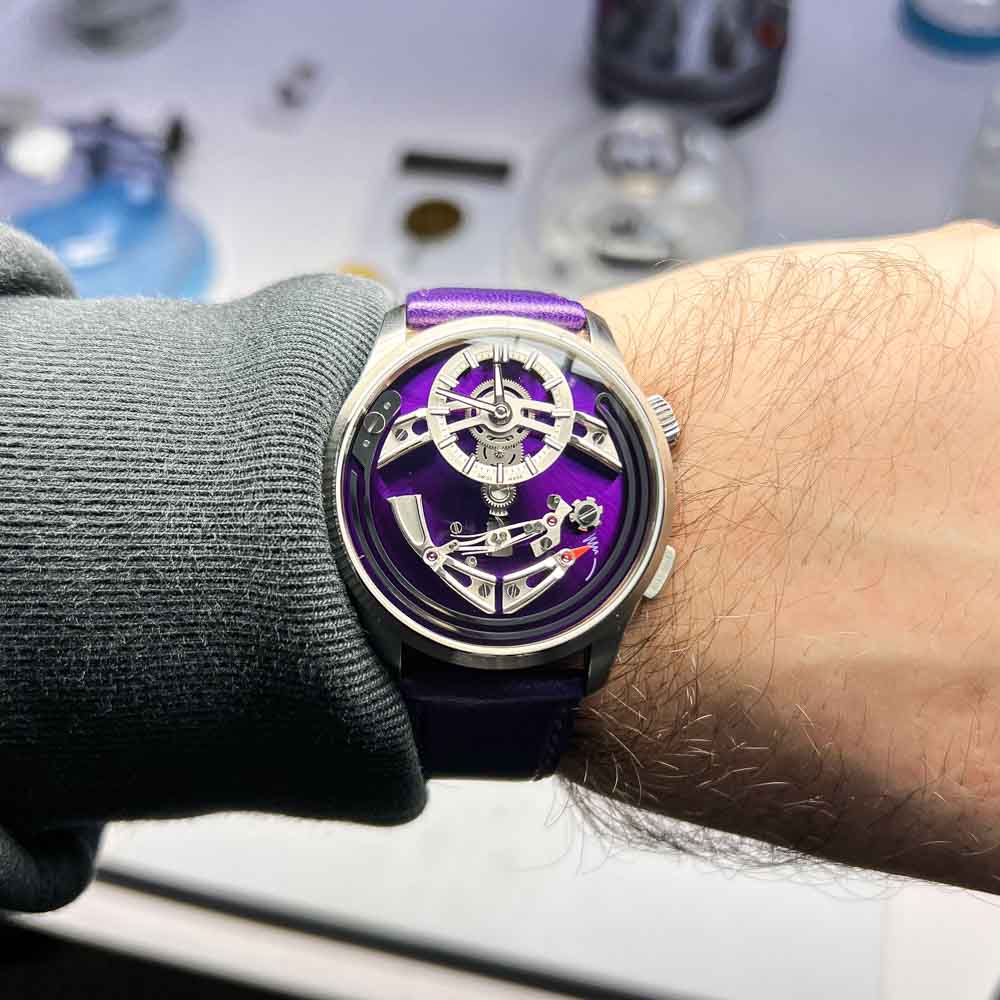
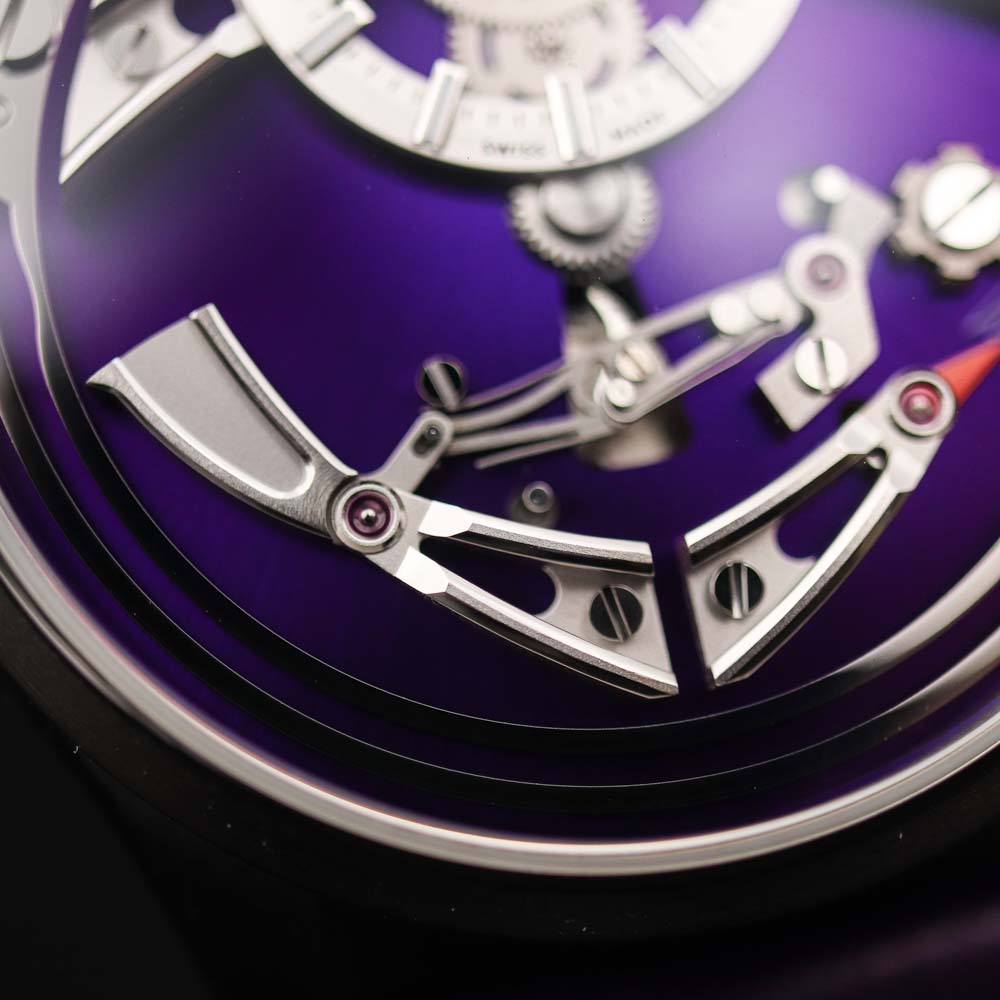
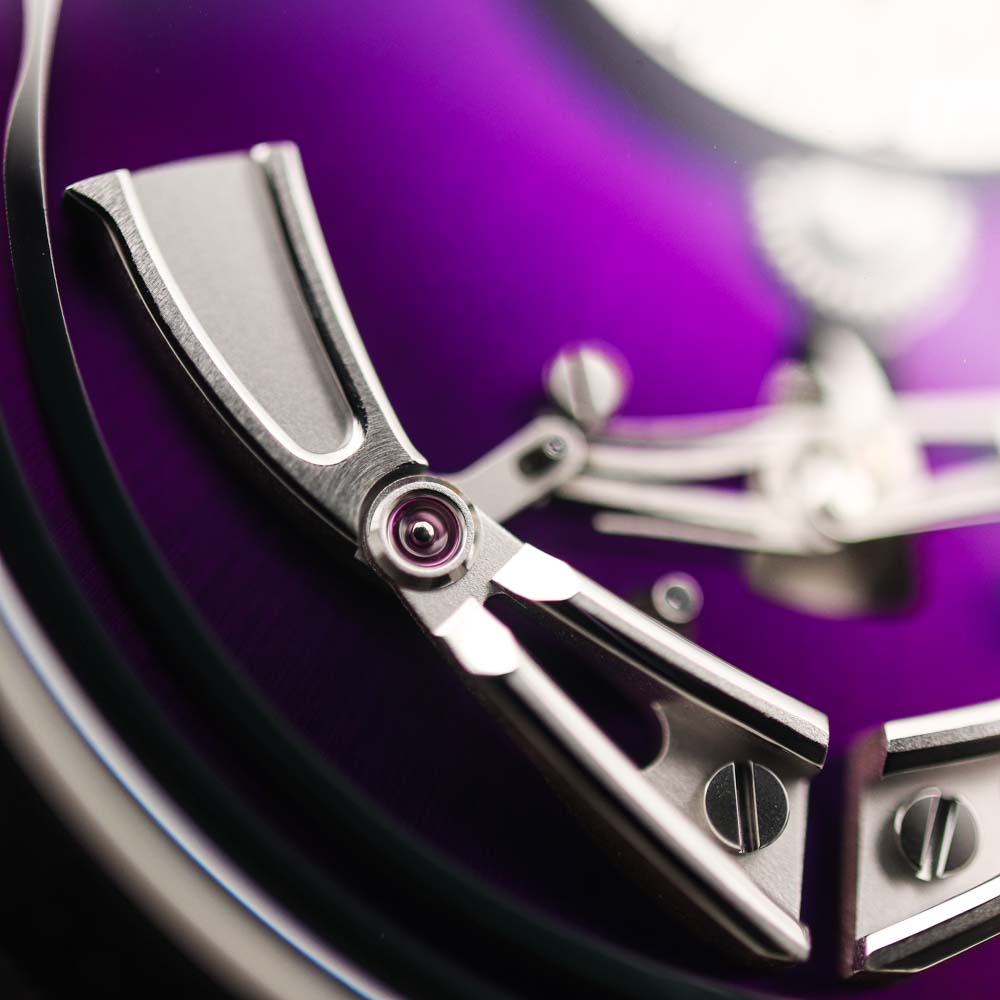


As it came time to assemble the watch, the team relied on talented partners to deliver the parts needed to make everything come together. Chronode (who has worked with major brands like MB&F) for the bridges, spring, and hammer. Armin Strom did the platine. After over two years of hard work and experimentation, they had a watch ready for its debut.
By keeping costs down through prototyping, design, and choosing the key components to both source and finish to higher levels, Christopher Ward had also done something remarkable in hitting a sub-five-figure price point, let alone €4,095.00 / £3,195.00 / $3,795.00 (although the first price was $3,595.00)
You can read full review of the Christopher Ward Bel Canto here
 KaminskyBlog