

Forstner has established itself as a go-to name in the world of vintage-inspired aftermarket watch bracelets. With roots dating back to the 1920s, the brand has experienced a remarkable revival in recent years, rapidly expanding its collection and rekindling interest in classic bracelet designs.
Originally founded around 1920 by William Forstner in New Jersey as the Forstner Chain Corporation, the company began by producing ornamental jewelry and watch accessories. While some early products were purely decorative, Forstner’s focus soon centered on practical watch-related offerings—chains, straps, and, most notably, bracelets.

A pivotal moment in Forstner’s history came in 1939 with the invention of a unique strap mechanism that would later be known as the Komfit. Unbeknownst to the company at the time, this innovative design would go on to play a role in some of the most significant events of the 20th century. The Komfit introduced a groundbreaking approach to extension bracelets, allowing users to adjust the length of the bracelet freely. Its key innovation was a movable clasp mechanism that could be secured along the length of the strap, enabling precise micro-adjustments for comfort and fit—a feature that remains central to the modern Komfit reissue.

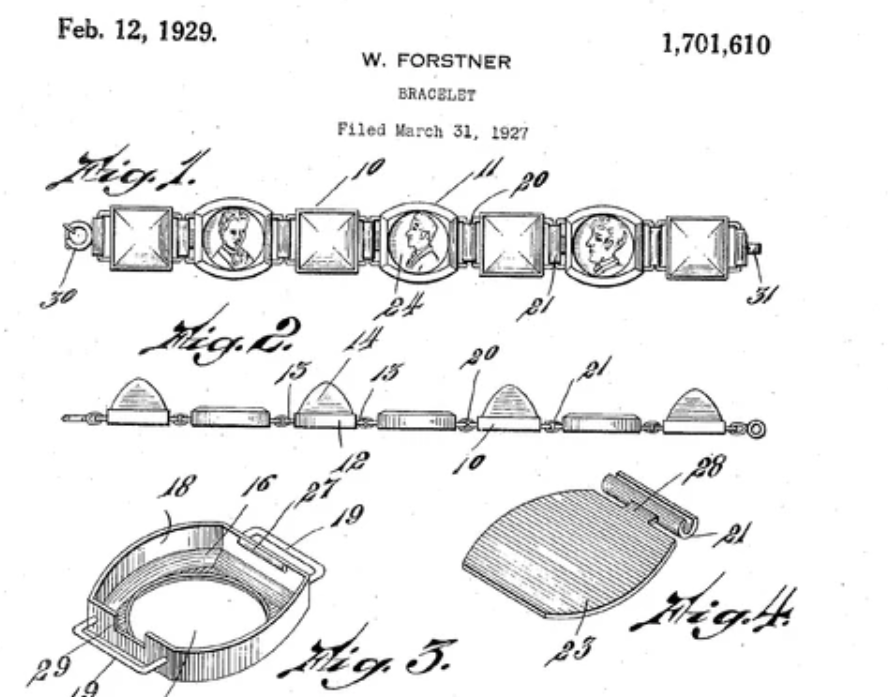
But the Komfit wasn’t Forstner’s only notable design. Around the same period, in the 1940s, Forstner also produced a version of the classic “Bonklip” bracelet—a ladder-style metal strap favored by military personnel. Its appeal lay in its compatibility with fixed lug bars, which were commonly used in military-issued watches to prevent accidental detachment in extreme conditions. Forstner’s patented U.S. take on the Bonklip added further credibility to its reputation as a pioneer in functional, purpose-built design.
In addition to developing its own lines, Forstner—and later its successor, Jacoby-Bender (JB)—also served as an OEM supplier for some of the most iconic watches in history. These included early Rolex models such as the Pre-Daytona 6238, the GMT-Master 1675, Datejust, and various Oyster Perpetuals, often paired with Jubilee and woven mesh bracelets. Omega models like the Speedmaster and Seamaster were also fitted with Forstner and JB bracelets, including Flat Link, Brick, and Oyster-style designs. Even the Universal Genève Polerouter was offered with distinct Forstner bracelet options like Brick-style and Herringbone patterns.


Perhaps the most celebrated chapter in Forstner’s history is its association with NASA. During the early days of the space program, several astronauts independently purchased Omega Speedmaster Professionals and paired them with Komfit bands. The combination quickly gained popularity within NASA, largely due to the bracelet’s ability to fit comfortably over space suits. The Komfit strap was worn on two Mercury missions—Mercury-Atlas 8 and 9. On October 3, 1962, it made its space debut alongside the first Omega in space, the CK2998, during the Mercury-Atlas 8 mission.
In 1963, Forstner was acquired by Jacoby-Bender, which continued producing the Komfit under the JB Champion name. The bracelet’s legacy lived on, becoming the standard for NASA astronauts even before the official chronograph testing phase began. Once the Speedmaster was officially selected as NASA’s mission watch in 1965, the JB Champion Komfit-style bracelet flew on several key missions: Gemini III, Gemini X, Apollo 10, Apollo 12, Apollo 14—and, notably, Apollo 17, where it was worn on the lunar surface. The bracelet even saw continued use on later Space Shuttle missions.




After Jacoby-Bender ceased operations, the bracelet disappeared from the market for decades—until Forstner was revived. Today, the modern Forstner brand pays tribute to its heritage by reissuing many of its most historically significant designs with impressive accuracy and modern quality standards.
In its resurgence, Forstner has expanded rapidly, bringing back legendary styles such as the Komfit, Klip, and flat-link bracelets, while also developing new designs tailored specifically for a wide range of modern watches. These offerings provide enthusiasts and collectors with high-quality, period-correct aftermarket options—bridging the past and present with unmatched authenticity and craftsmanship.
What a legacy Forstner carries, right? Today, I have the pleasure of reviewing two of their vintage-inspired offerings: the Ladder bracelet and the 7-Row Beads of Rice bracelet. Huge thanks to Syed from Forstner for providing the samples for review.

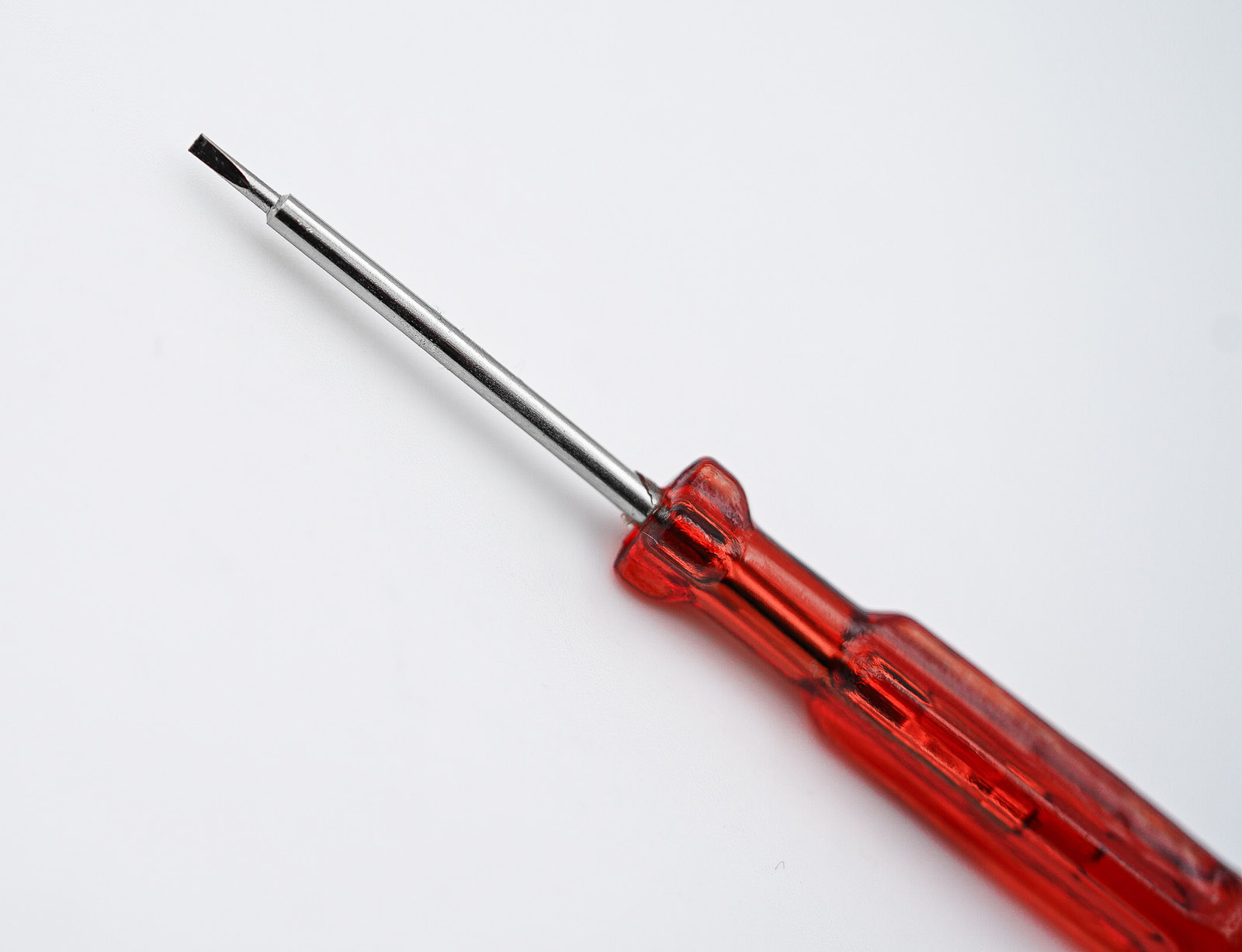
Both bracelets arrived in compact cardboard boxes. Inside, you’ll find the bracelet itself, a generous number of spare spring bars, and a screwdriver. While the tool isn’t the highest quality, it gets the job done for resizing—which, let’s be honest, is all you really need. The watches used in this review—the Milus Archimede and the Sturmanskie Ocean reissue—have both been covered on my blog previously, so feel free to check those out if you’re interested in either timepiece.


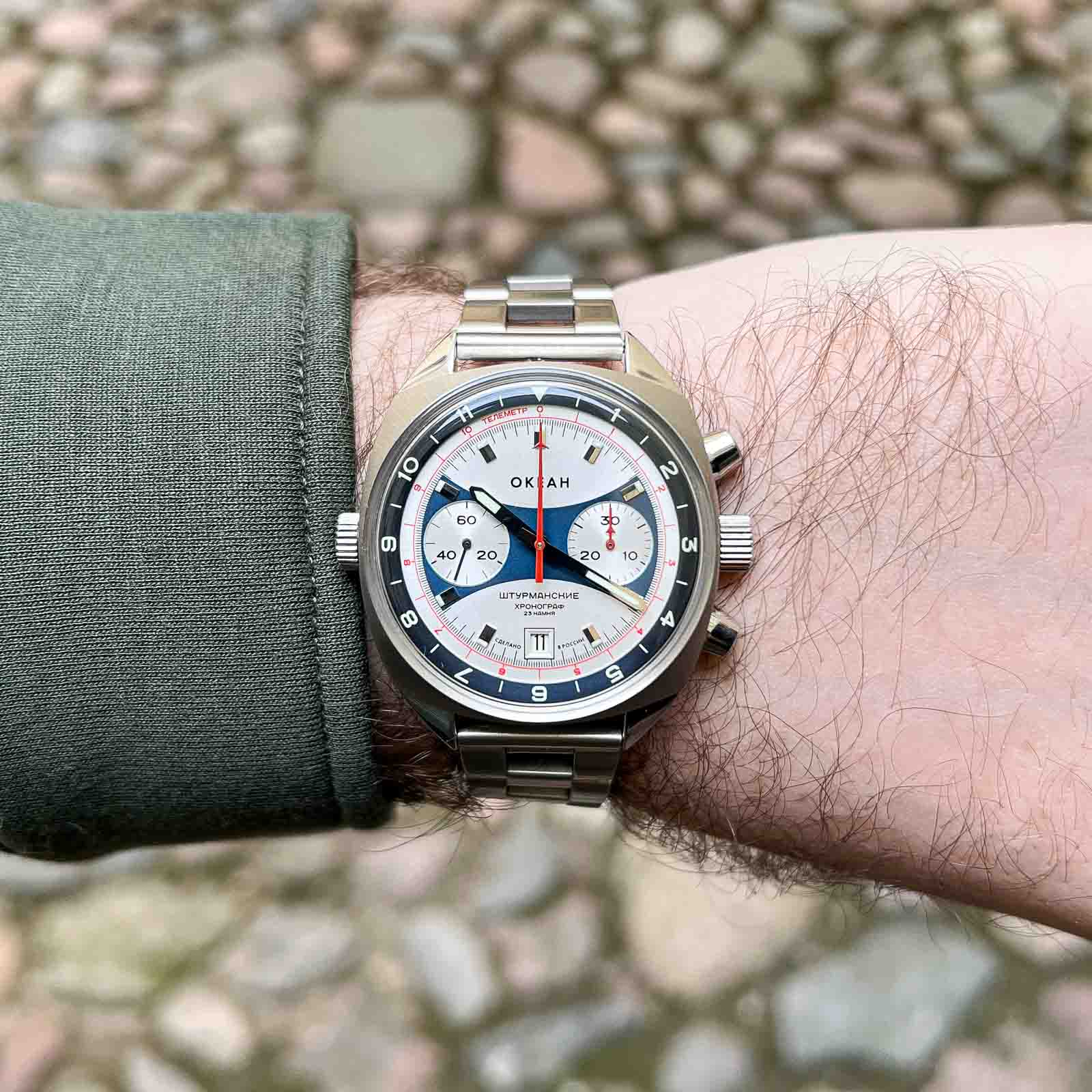
First up, the Ladder bracelet (135$), which I paired with the Sturmanskie Ocean reissue. Historically, this bracelet style has been a popular pairing for dive watches like the Sturmanskie Ocean, and I wanted to stay true to that aesthetic. For some reason, the Ladder bracelet has always captured my attention—particularly after seeing the Zenith El Primero reissue in 2021 sporting a similar style bracelet.
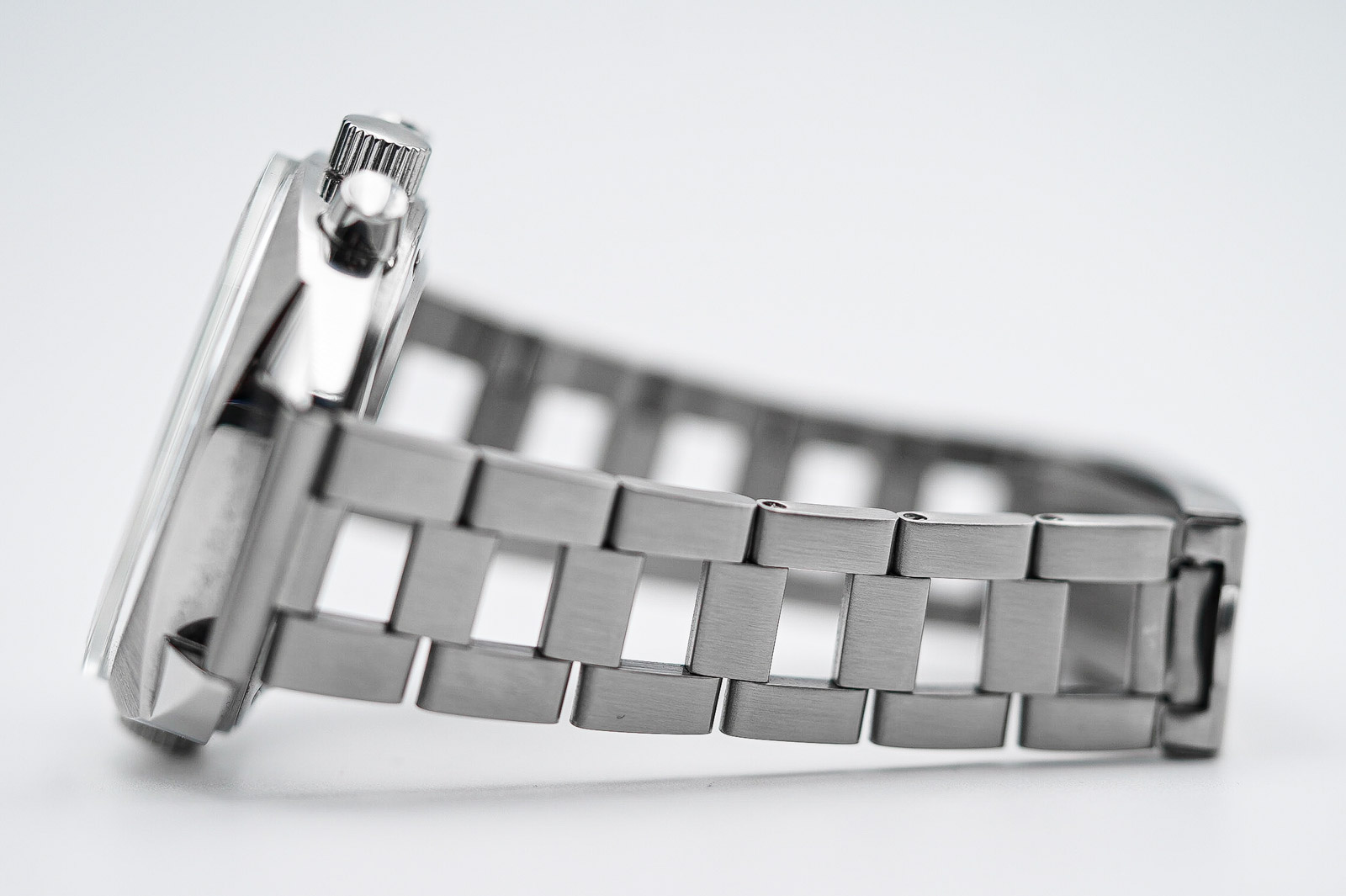

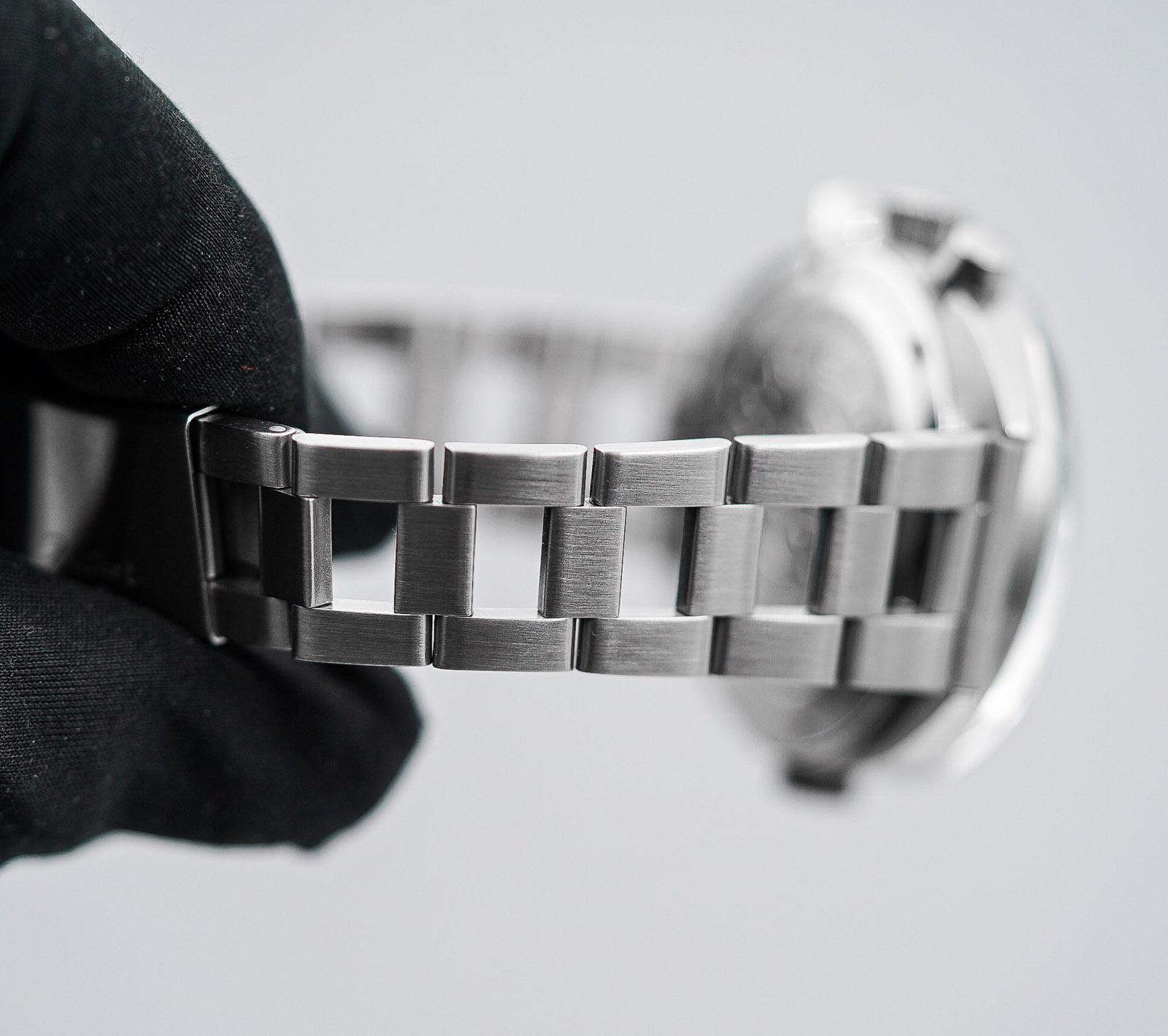

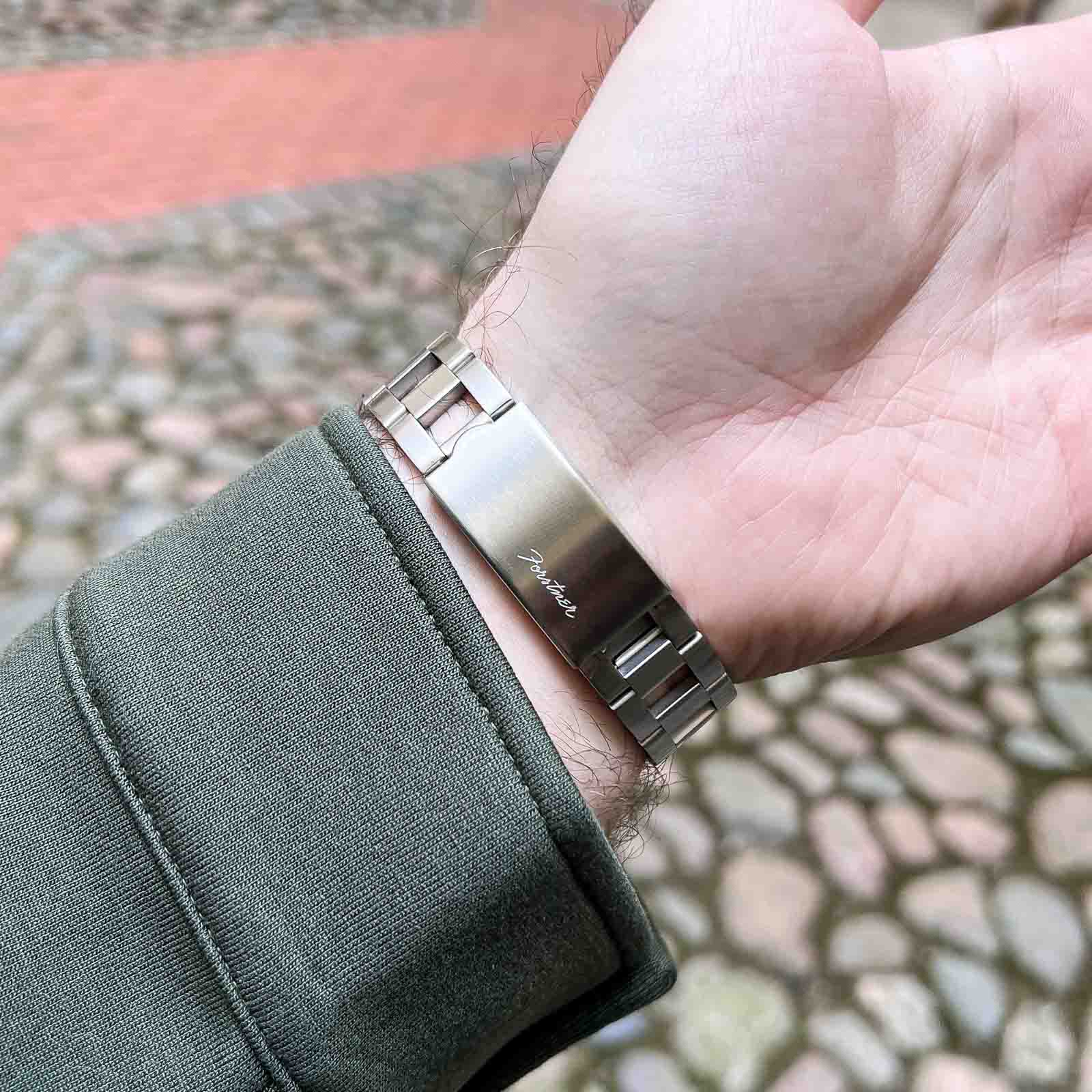
In terms of build, the bracelet is well-made, though it doesn’t exactly scream luxury. It retains many characteristics of the original vintage models: lightweight feel, looser link articulation, and a stamped clasp. These features preserve the retro charm but also contribute to a somewhat flimsy feel. That said, Forstner has improved on the original by incorporating screw pins for easy sizing and refined finishing throughout. I recommend using a dab of blue Loctite on the screw threads during adjustment—an easy way to prevent any future loosening.
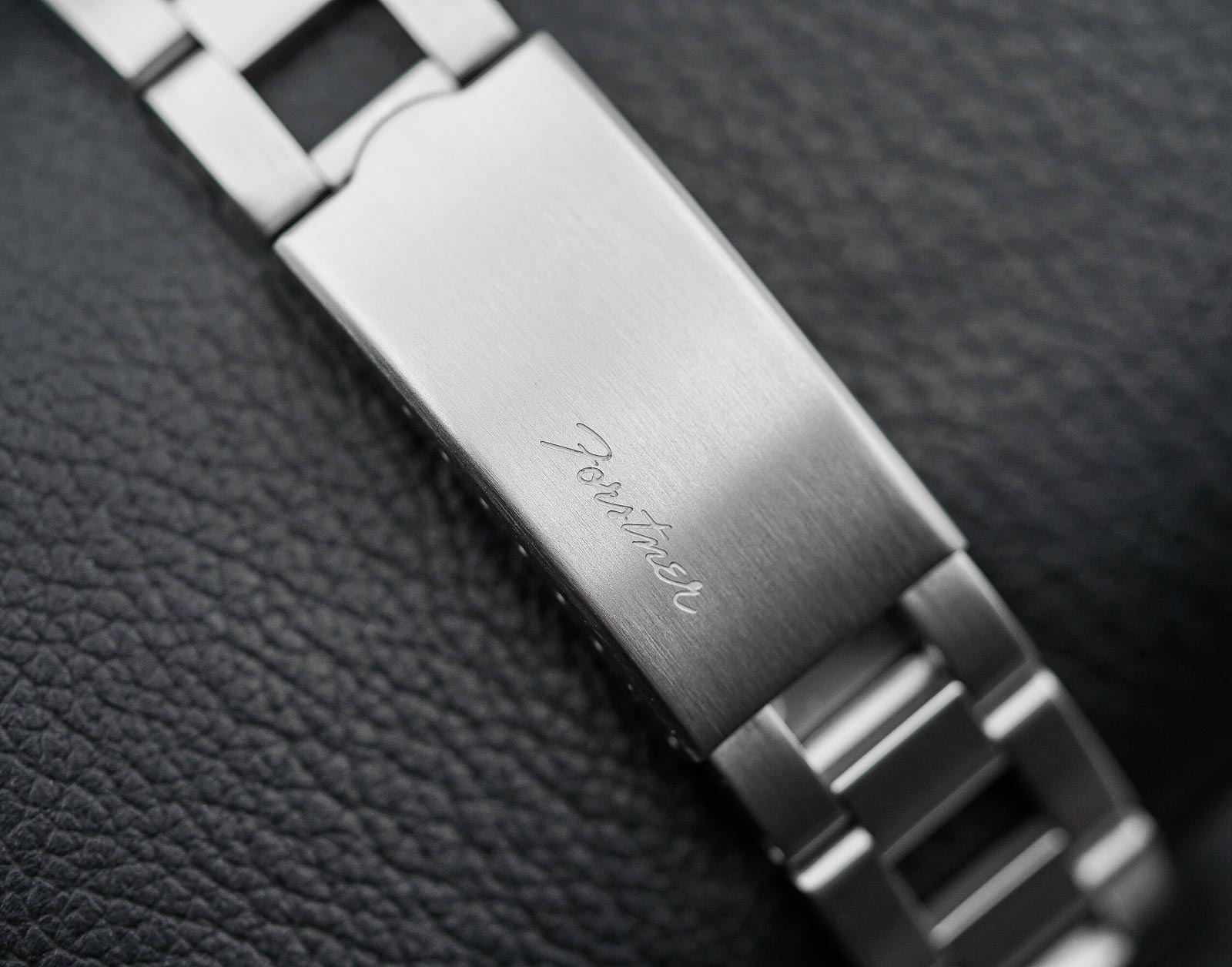
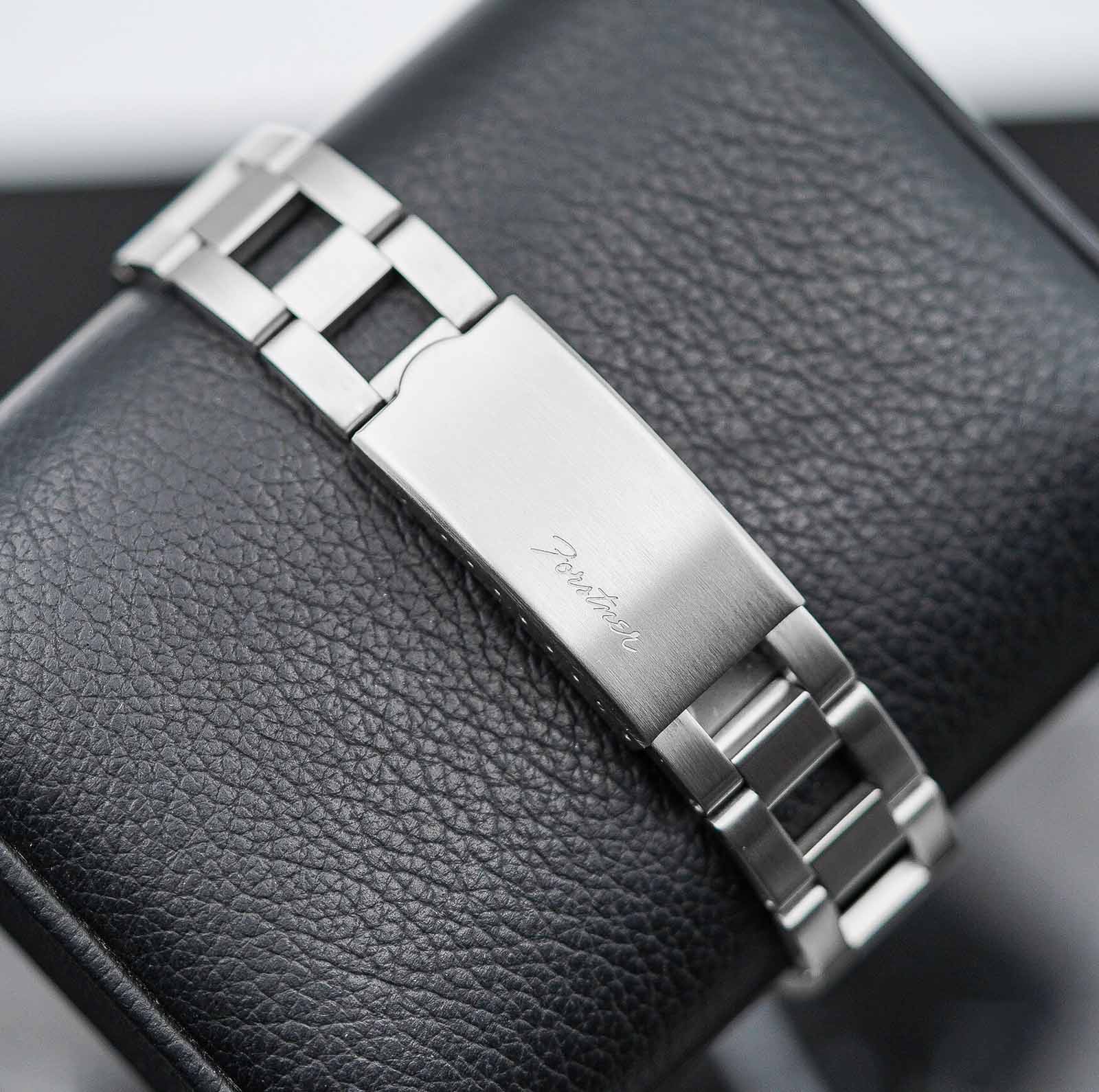


The bracelet has a consistent satin-brushed finish, tapers from 19mm at the lugs to 14mm at the clasp, and features a simple yet signed folding clasp with 8 micro-adjustments. It wears comfortably, doesn’t pull hairs, and looks right at home on vintage or reissue pieces. It’s undeniably charming, but don’t expect the sturdiness of modern, high-end bracelets.
Next is the 7-Row Beads of Rice bracelet (138$), which I paired with the Milus Archimede. With its vintage aesthetic and refined proportions, it’s a natural fit. Honestly, this bracelet is visually stunning—it combines polished and brushed finishes across its intricate link structure, giving it a refined, eye-catching presence on the wrist.

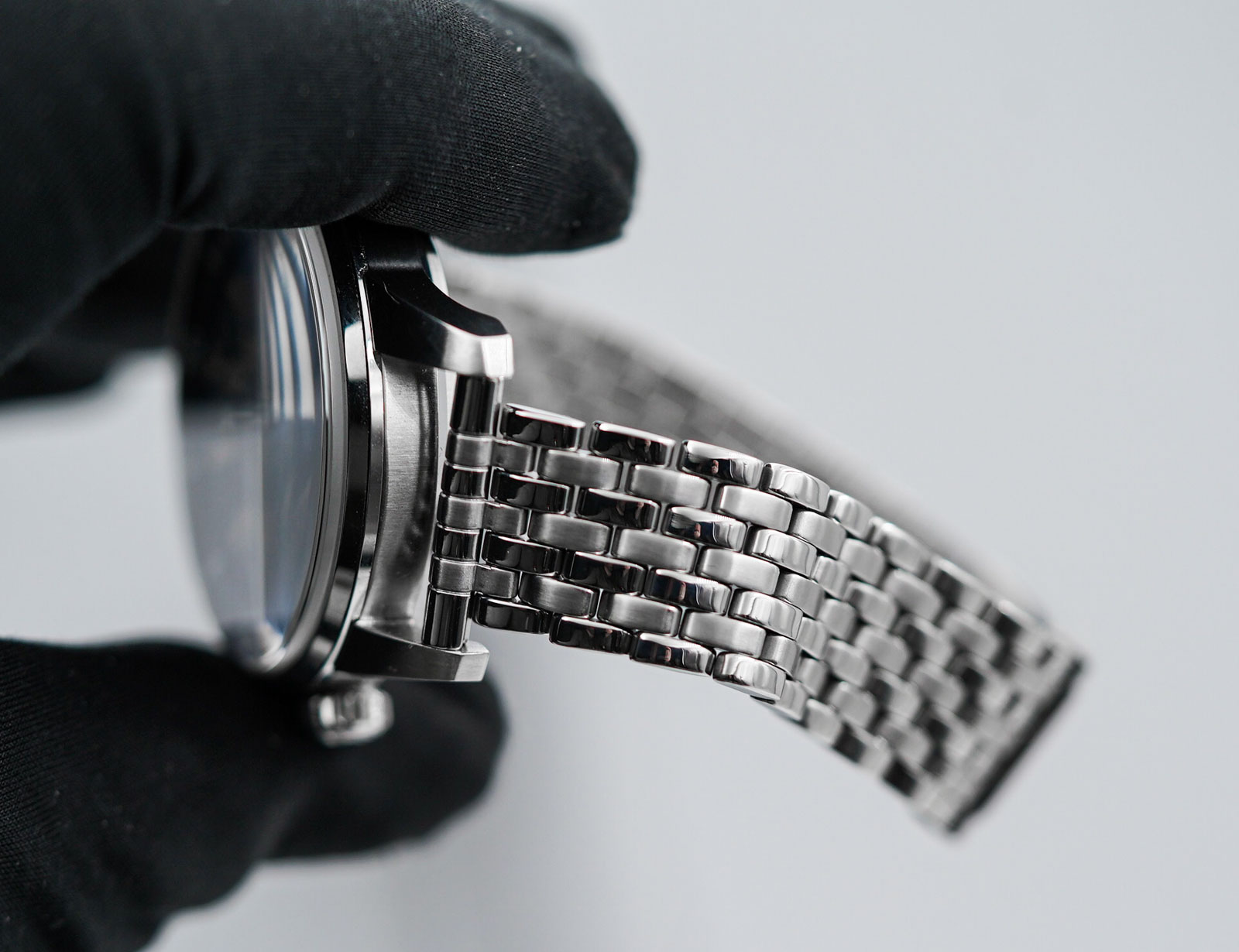
Like the Ladder, it uses screw pins for sizing, which is a welcome update over the traditional friction pins. The bracelet has a straight-end design with 20mm lug width, tapering to 16mm along its length, and a slim 3mm thickness. The clasp is a highlight: beautifully brushed with polished edges, signed with the vintage JB logo, and offering 8 micro-adjustments for optimal fit. On the wrist, it feels light and very comfortable, making it a joy to wear on smaller or mid-sized cases.


One of the great things about these Forstner bracelets is their versatility—they’re available in a range of lug widths from 16mm up to 22mm, making them compatible with a wide variety of vintage and modern watches. Whether you’re looking to upgrade a classic dress watch or a tooly diver, chances are you’ll find a size that fits your case perfectly.
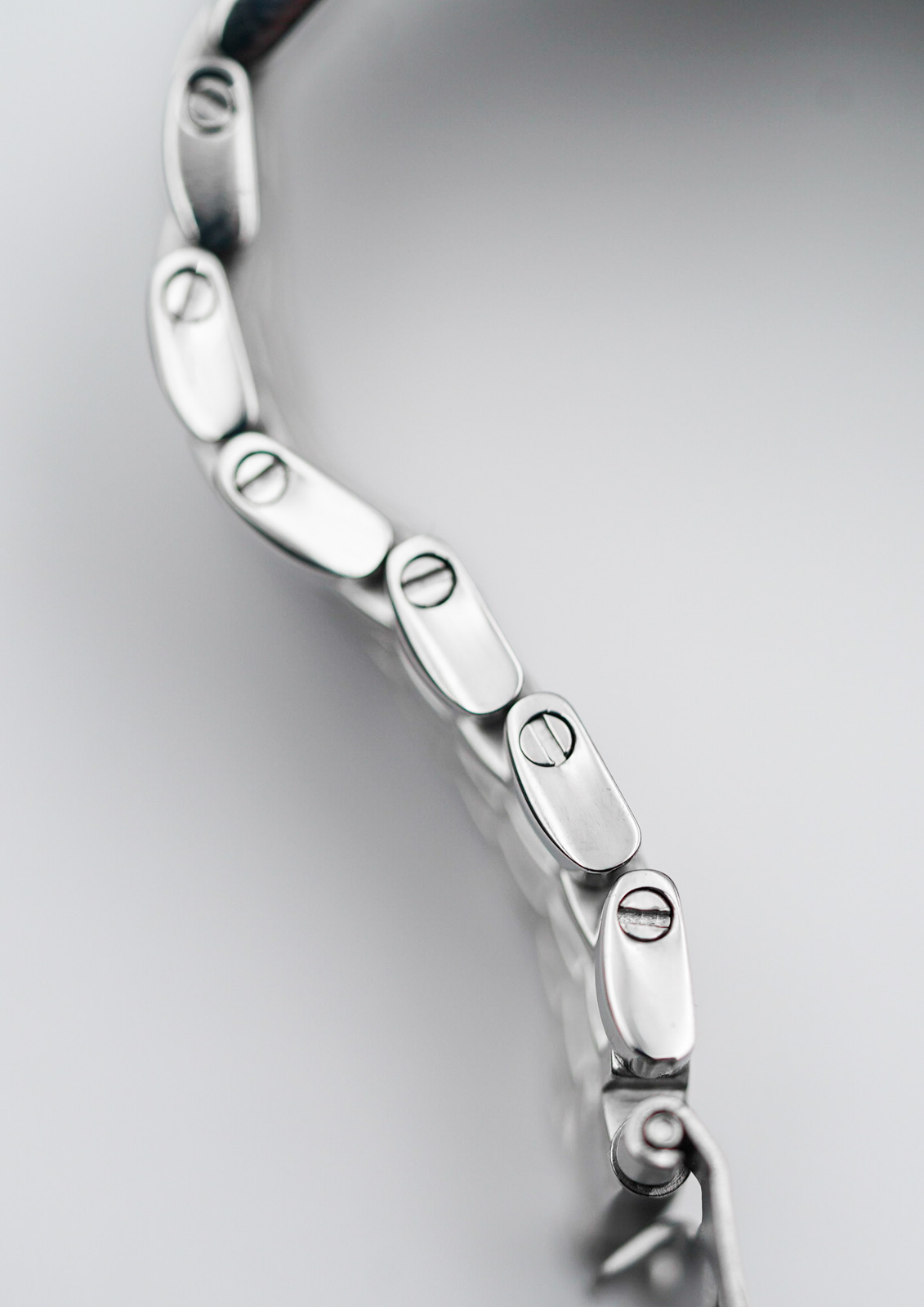

Both bracelets stay true to the original designs that inspired them, and I can see why they’re so popular among vintage enthusiasts and collectors. However, I can’t help but feel there’s room for improvement. The vintage charm is definitely there, but the lightweight construction, looser fit, and stamped components may leave some wanting more in terms of perceived quality. A slight increase in weight, tighter tolerances, and an upgraded clasp would go a long way in making these feel more substantial—without losing the vintage appeal.







As they stand, they serve their purpose well and look fantastic—but don’t expect modern luxury bracelet refinement. I’ll be wearing them on two of my favorite watches and may revisit this review in a year to see if my opinions evolve over time. For now, I’d rate both bracelets a solid 5 out of 10. Design-wise, they’re great. Build-wise, they leave something to be desired. If you’re a fan of vintage aesthetics and want to keep your watches era-appropriate, these are solid choices. Just temper your expectations when it comes to overall build quality.
You can buy these two bracelets and more at forstnerbands.com
 KaminskyBlog