
Today I’m taking a closer look at a watch – or rather, three watches – from a relatively little-known (atleast to me) microbrand called Findeisen, whose roots reach back to the 1960s and 1970s. The name Findeisen itself hints at this heritage. It’s formed from the German words finden (“to find”) and Eisen (“iron”) – essentially, “those who find iron” or work with it, turning raw strength into something lasting and valuable. Phonetically, it’s close to “Fin-dye-zen”. The story begins in the 1960s, when Max Findeisen designed a dial bearing his signature. Born in Zschopau, Saxony, and later working in nearby Flöha on the edge of the Erzgebirge region, Max embodied the post-war Central European tradition of hands-on craftsmanship and quiet precision. He passed away in 1973 at the age of 66, and for decades the idea of a Findeisen-signed watch remained just that – an idea.
Almost fifty years later, his great-grandson, Martin Zettl, decided to pick up the thread. In 2017, he officially founded Findeisen, turning a piece of family history into an actual watch brand. Zettl is a self-taught creator with a strong instinct for design and materials rather than a formally trained watchmaker, and that gives the brand a slightly different energy. Alongside his work at Findeisen he’s an active sportsman, constantly looking for challenges, and that mindset translates into the watches: robust, purposeful, and built to be used rather than just admired. His preference for honest, “real” materials shows up everywhere – from the movements to his personal wardrobe of raw denim and rugged boots. In a small manufactory in the heart of Nuremberg, Findeisen assembles watches that try to balance tradition and modernity: Swiss and German movements, carefully chosen components, and a focus on solid, tactile quality. It’s a young brand with an old name, a family story, and a clear ambition to turn that story into something you can actually wear on the wrist.

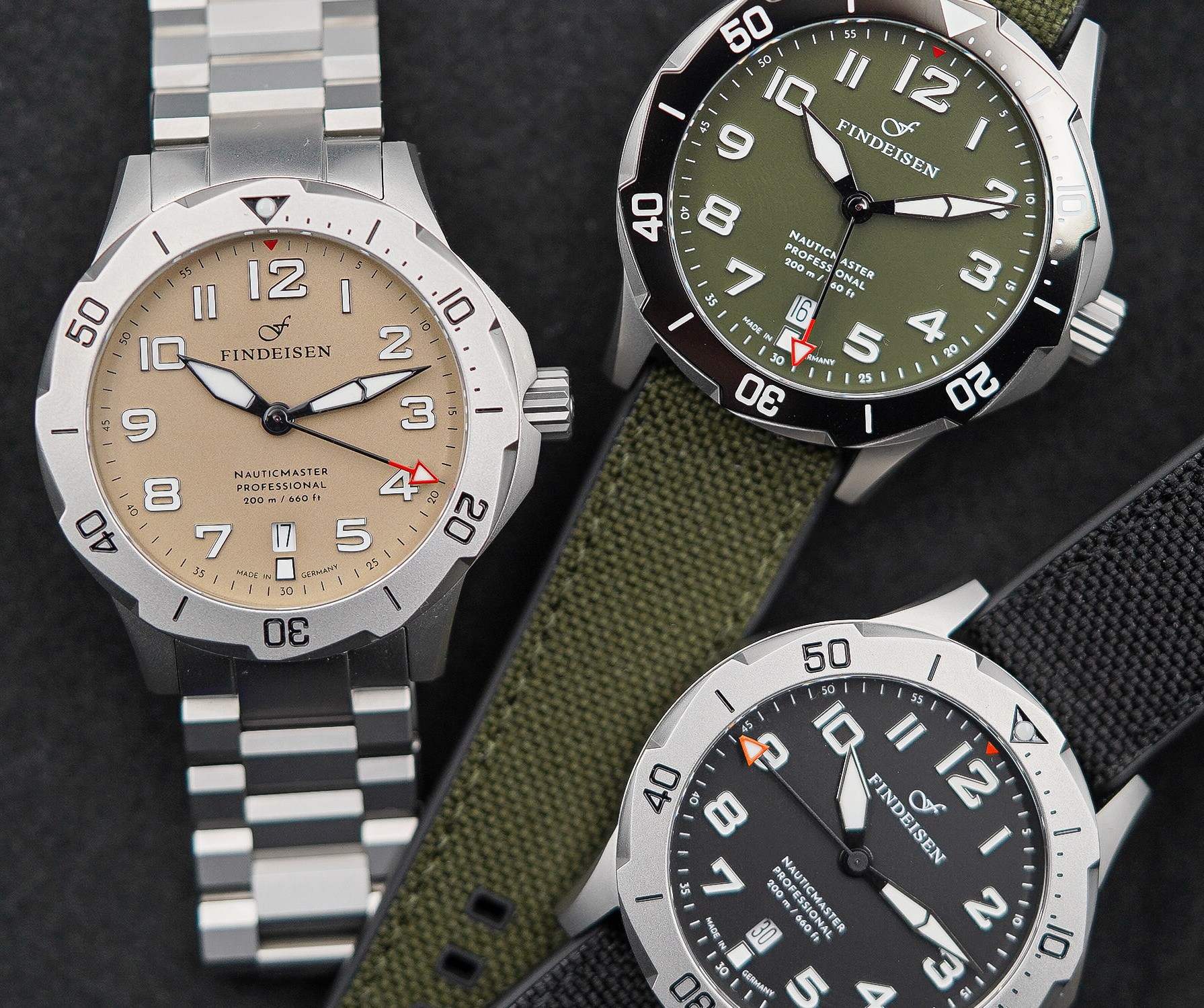
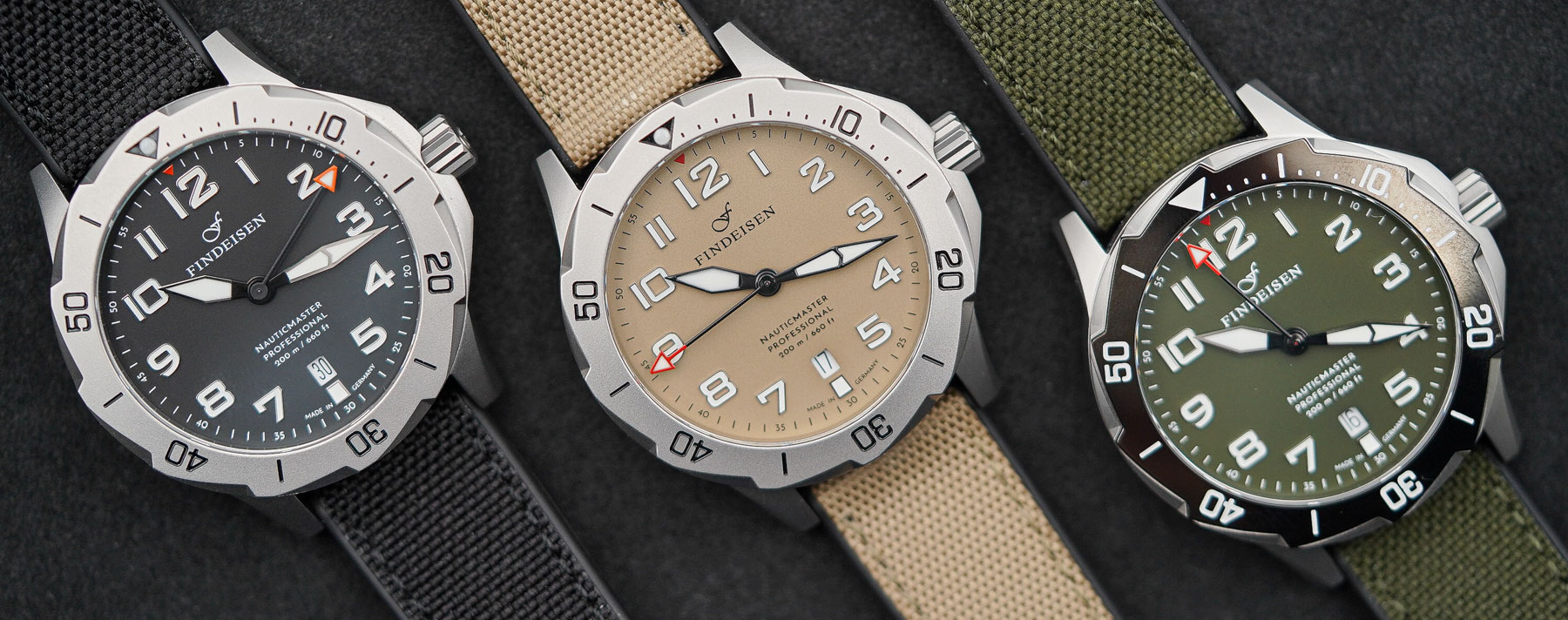
Findeisen were kind enough to send over three watches from their new NauticMaster Field Diver line, which is now divided into two sub-families: the Swiss Edition and the Manufacture. Until recently, the NauticMaster range consisted solely of the Diver, but the Field Diver introduces an updated aesthetic with fresh dial colours—khaki, olive, and black—each featuring Arabic numerals. This alone sets the new line apart from previous editions, which had no numerals on the dial at all. To give me a full impression of the collection, Findeisen insisted on sending three different configurations so I could showcase the range of bezels, casebacks, and movement options. The first piece features a black dial with a standard stainless-steel bezel, an open caseback, and the Sellita SW200 Elaboré movement. The second comes in an olive-green dial with a DLC bezel, a solid caseback, and the amasko A26.2 Top Grade movement°. The third variant is the khaki (sand-tone) dial paired with a stainless-steel bezel, an open caseback, and the Damasko A26.2 Top Grade movement. Originally, I only expected to receive a single model, but the brand insisted that I should experience the full lineup—so here we are, hahah. They also included multiple strap and bracelet options, all of which we will put to the test in this comprehensive review you’re about to dive into right now.
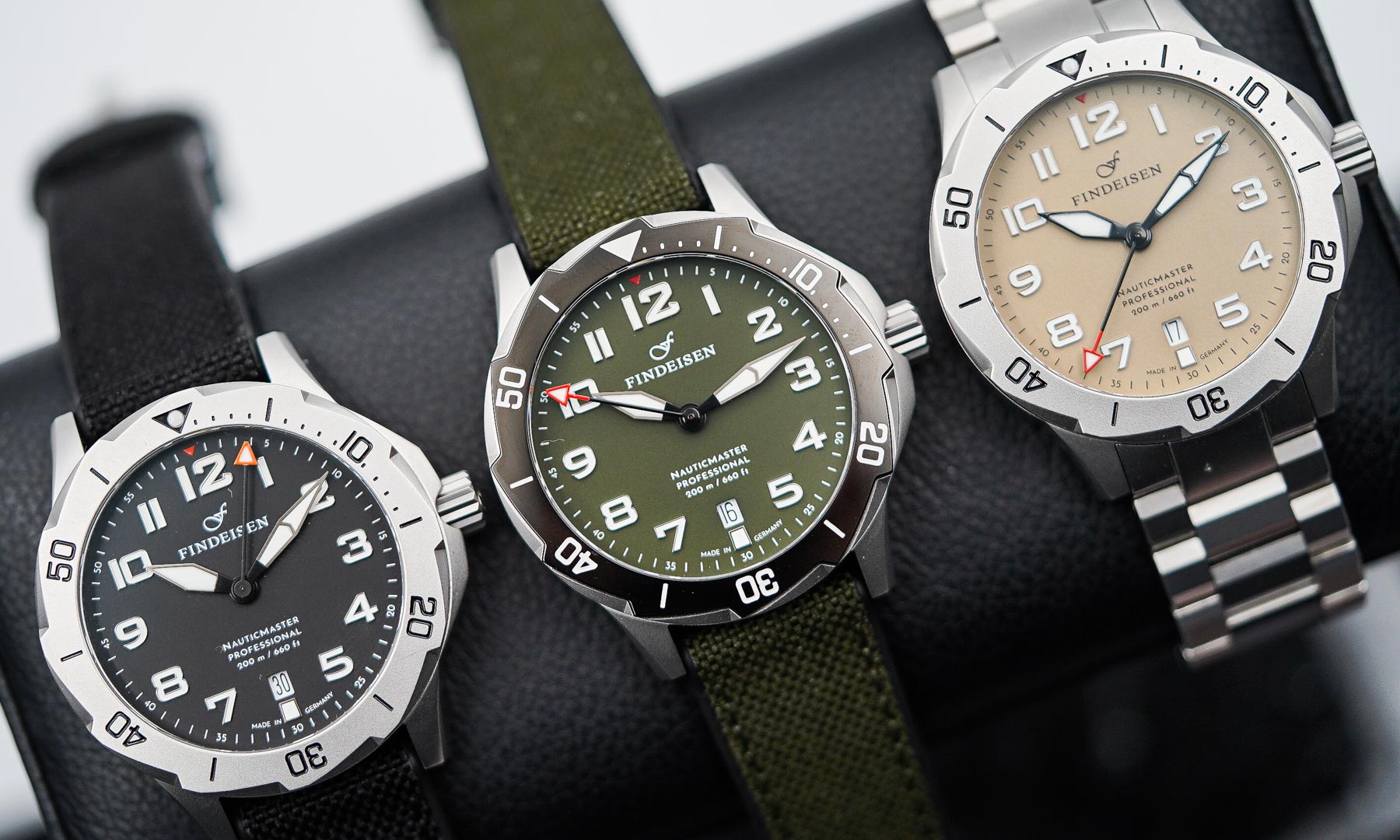
The watches arrived each packed in its own separate small presentation box. And to be honest, considering the price point, I was initially a bit disappointed, but Findeisen assured me, that the box they will come in, is much much larger and better. My initial reaction to the watches was honestly somewhere in the “meh” territory—but that changed fast. The longer you spend with them, the more the details start to reveal themselves, especially the bezel geometry and the overall dial design. One element that absolutely deserves special praise is the black DLC coating on one of the bezels. It’s outstanding. The surface is so smooth and inky that it almost passes for a ceramic insert, and this is genuinely the first time I’ve seen DLC executed at this level. Well done, Findeisen—I’d love to see a fully coated NauticMaster using this exact treatment. And then there are the straps. They’re genuinely excellent, particularly the rubber and textile options. They feel premium, complement the watches perfectly, and make it clear that Findeisen invested thought not only into the watch head but into the complete wearing experience.

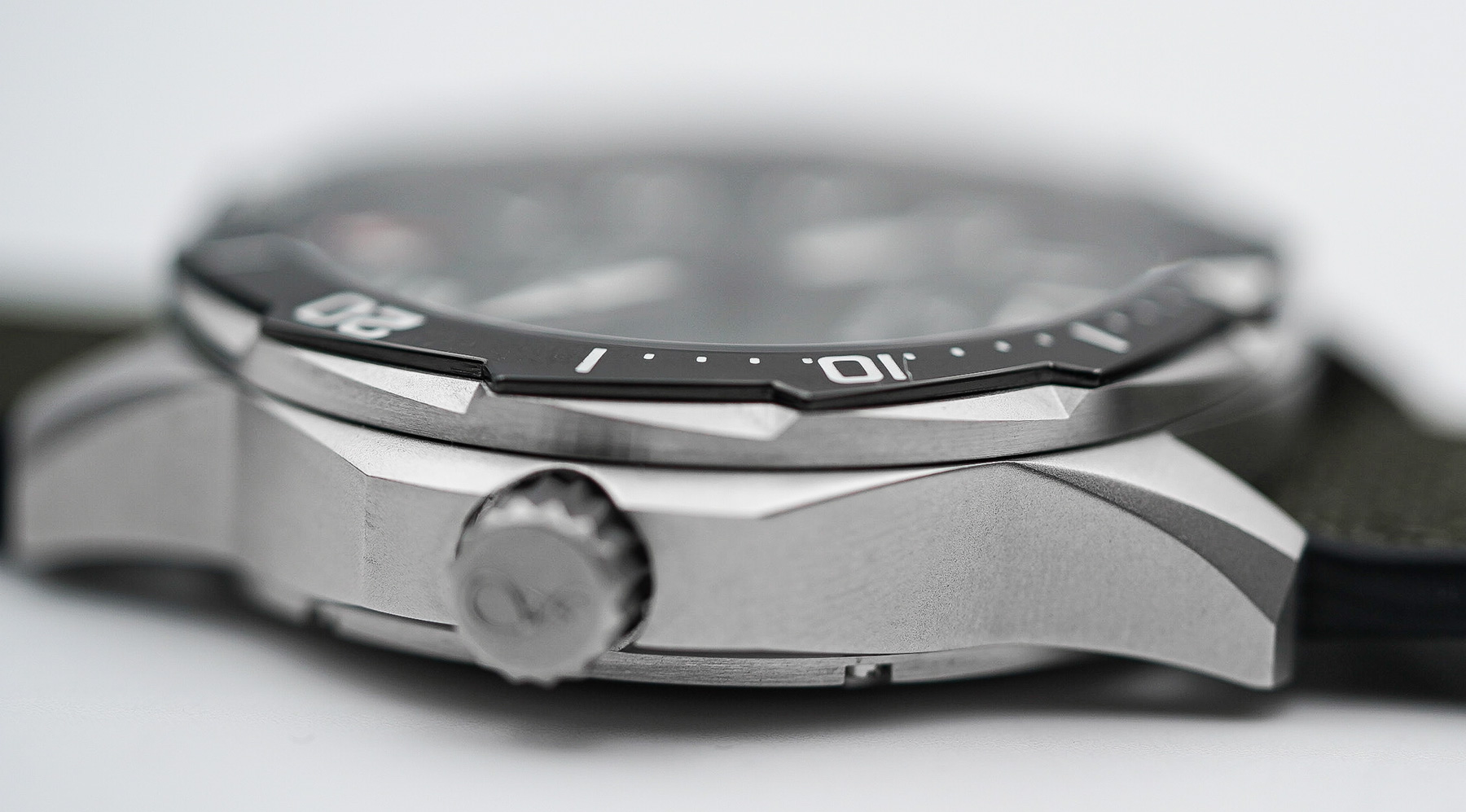
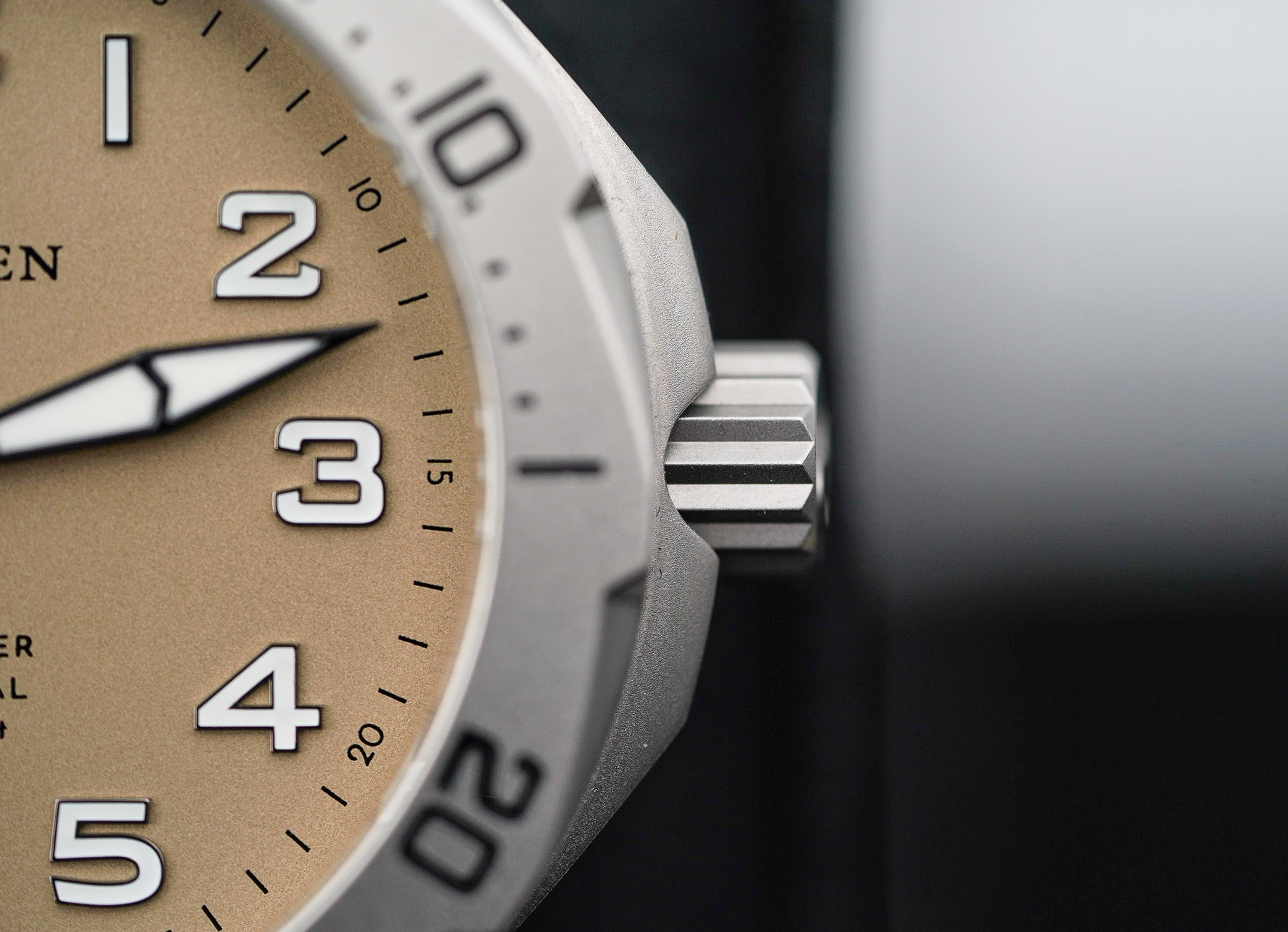
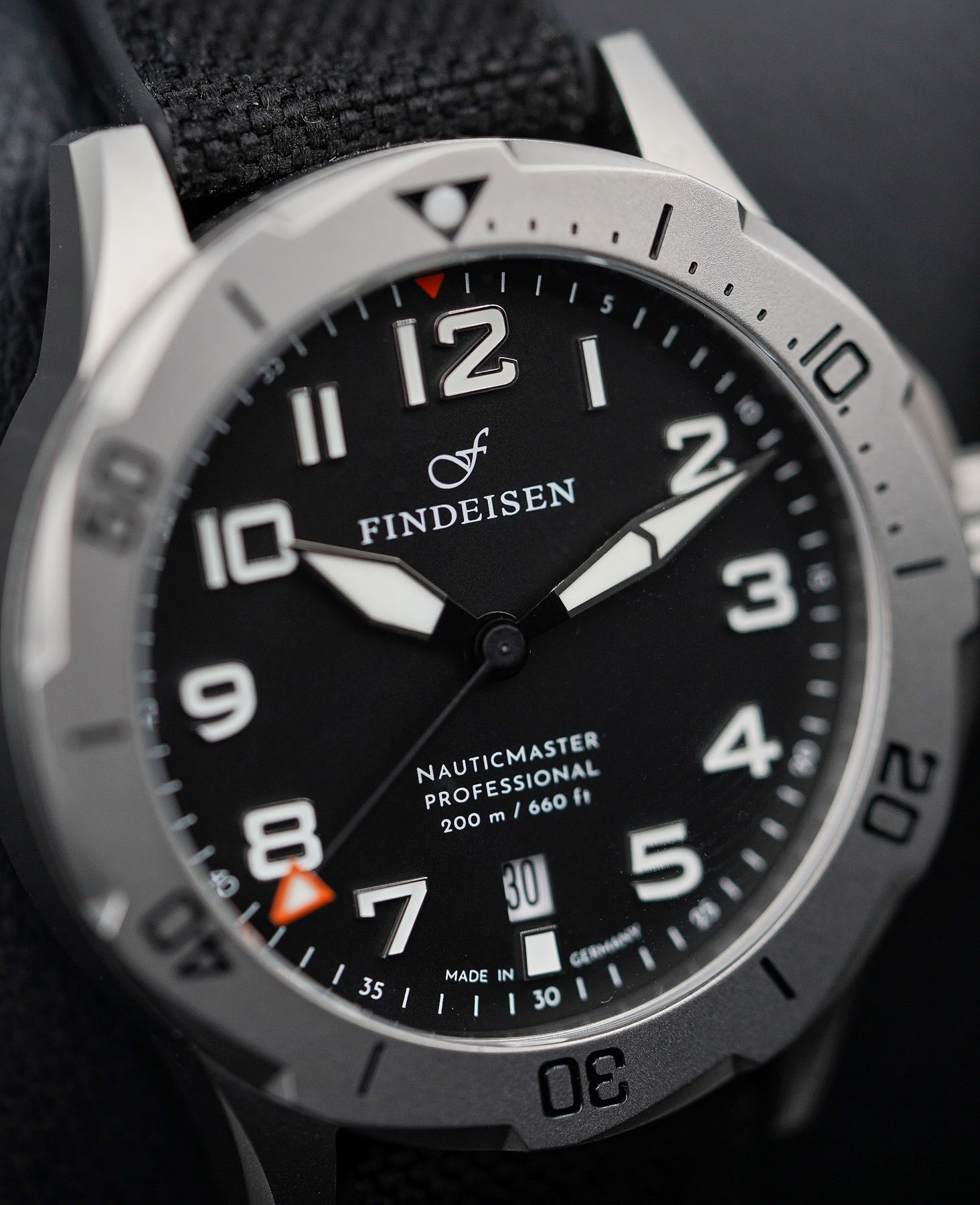
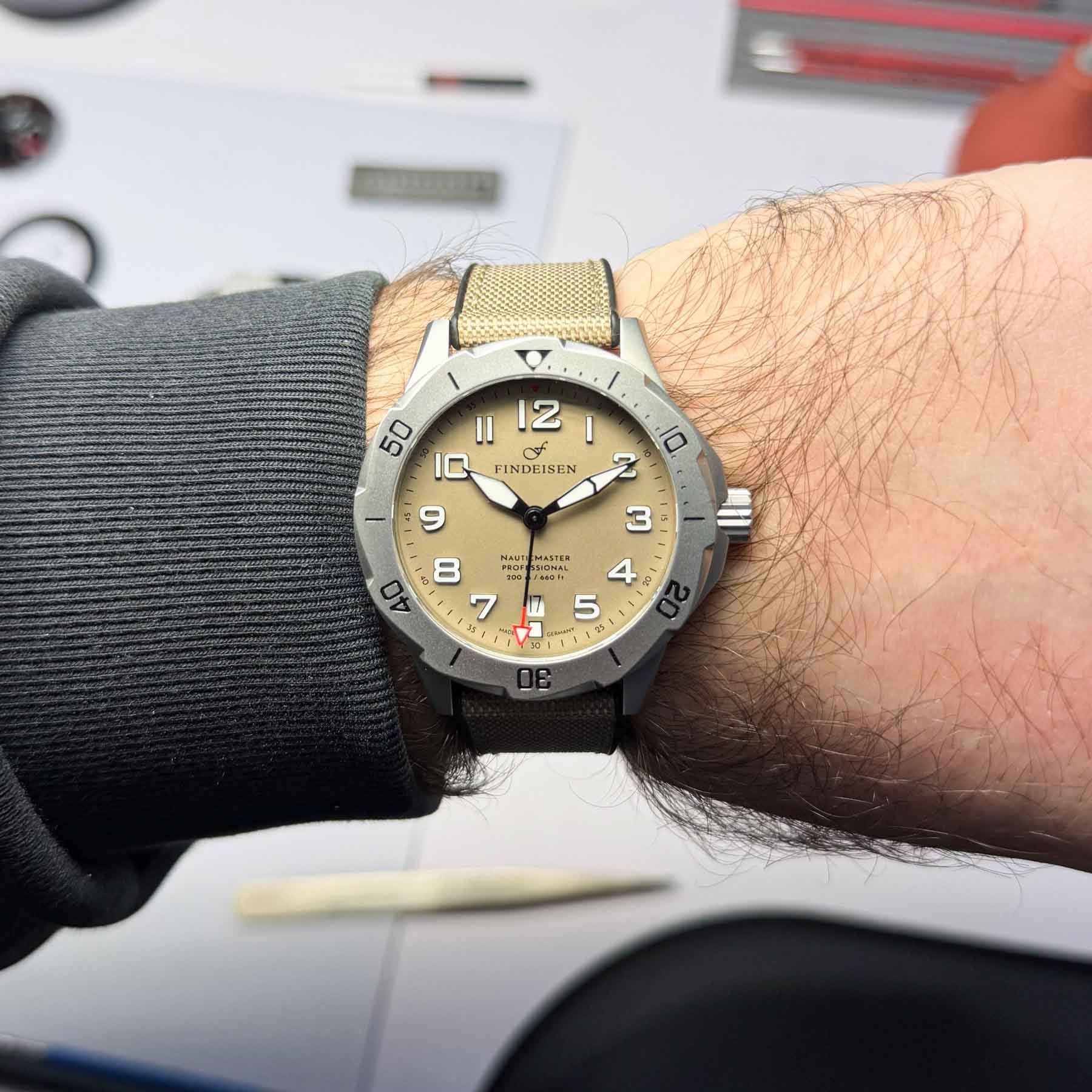
The case of the NauticMaster Field Diver is made of 316L stainless steel, and the execution is excellent. The machining is very precise, with sharp, consistent angles, lines and edges—exactly what you’d expect from a German-made watch. The case measures 41.5 mm in diameter, 47 mm lug to lug, and 12.5 mm in thickness. In my opinion, this is a near-perfect size for almost any wrist. On my 18 cm wrist, all three versions sit absolutely spot on. There are two case finishing options. The first is a bead-blasted satin finish that almost looks like a coating, paired with a satin-brushed stainless steel caseback. The second is a mixed finish, where only the mid-case and parts of the bezel are bead-blasted; this configuration is reserved for the models with the black DLC bezel. And that DLC bezel deserves a special mention: the coating is mind-blowing. At a glance, you’d swear it’s a ceramic insert—and it even feels like one. It’s also impressively scratch-resistant!
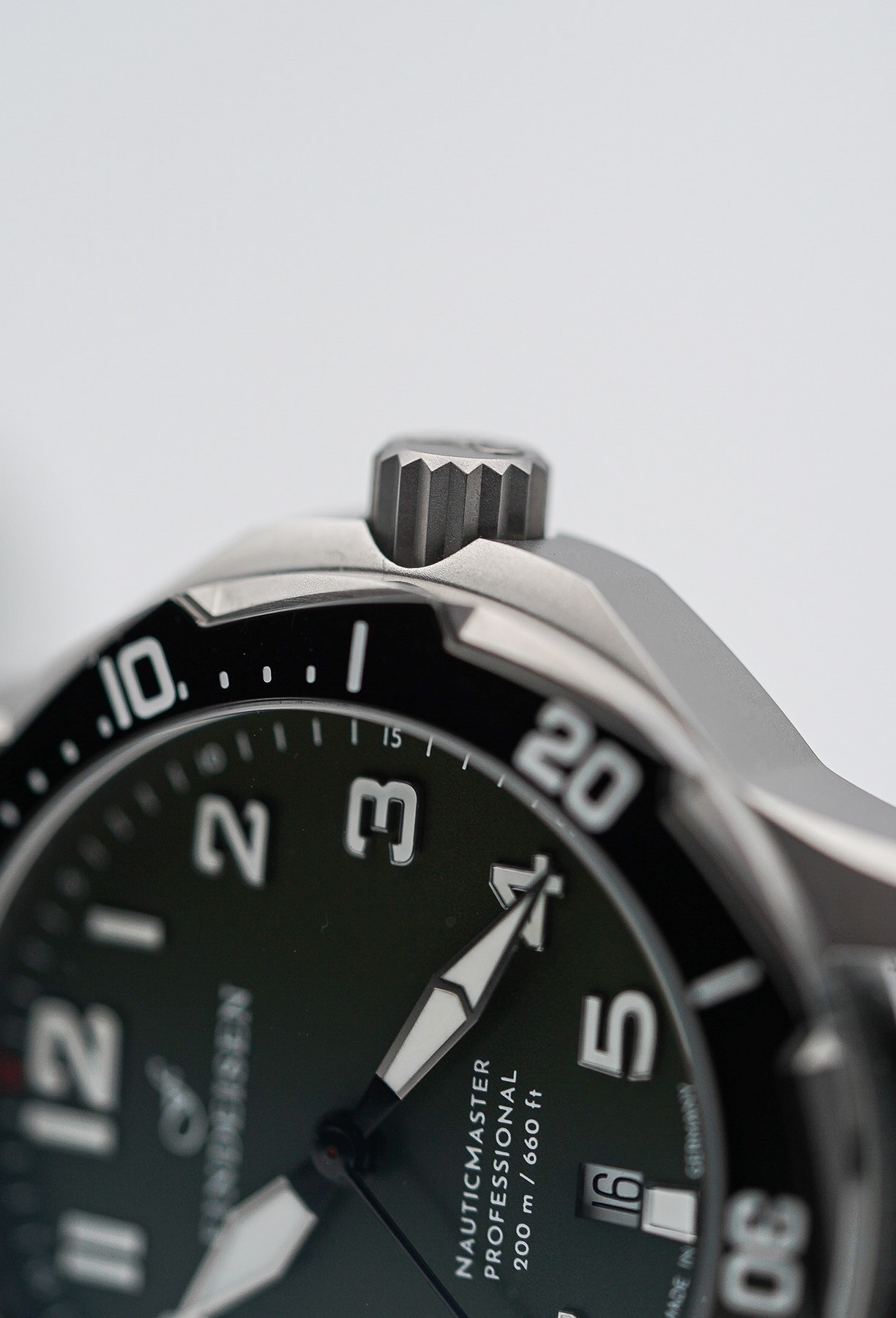


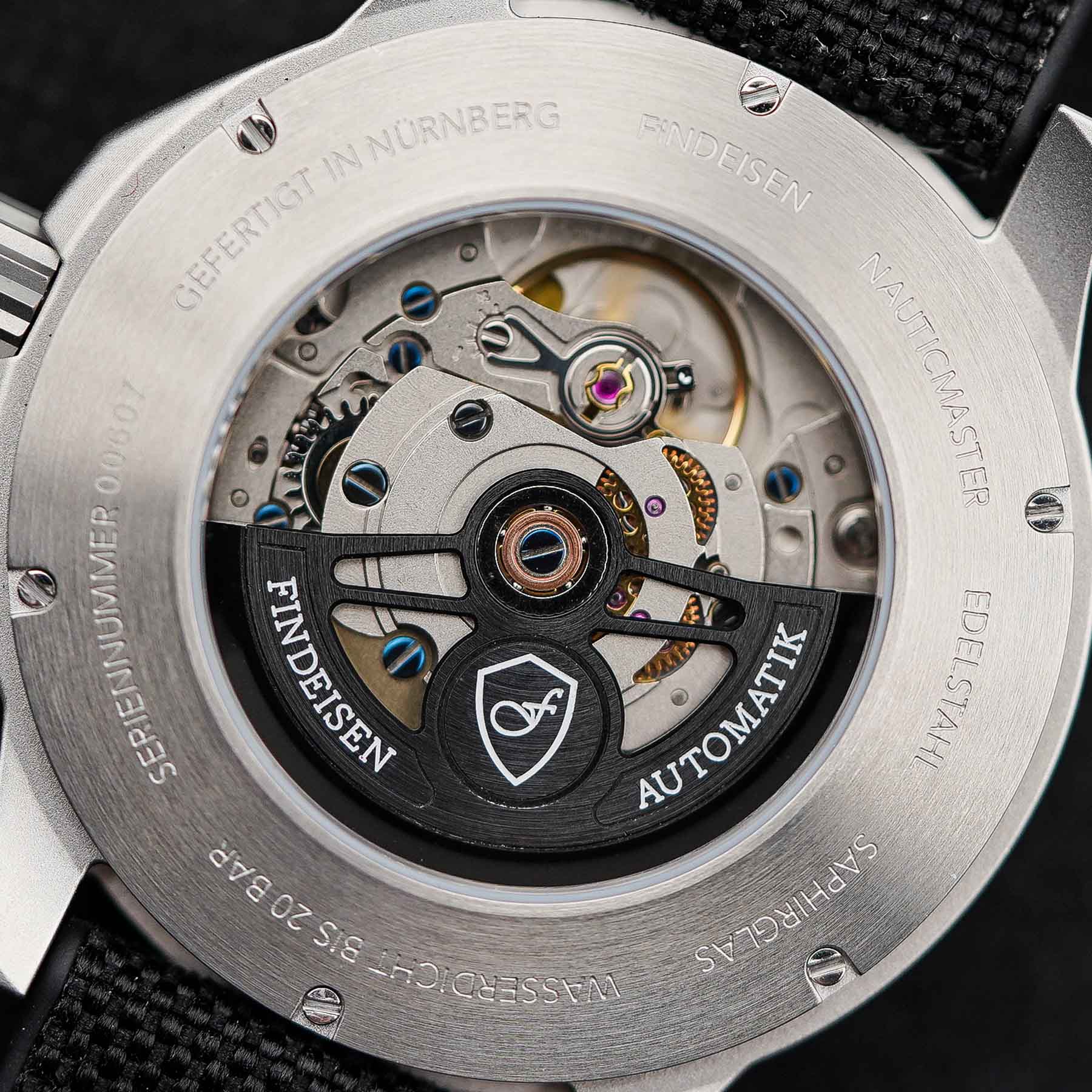
The bezel itself is a 60-click unidirectional bezel with a very distinctive “blade” design I haven’t seen on any other watch. I really like both the design and the finishing, and the clicks are precise and satisfying, though at this price point I would personally prefer a 120-click bezel. There are also two caseback options: a solid caseback and an exhibition caseback, both secured with six screws—a detail that is very “German.” The exhibition back uses a flat sapphire crystal, and it’s impressive that Findeisen offers both options while maintaining a water resistance of 200 m. At 3 o’clock, there’s a screw-down crown protected by crown guards. The crown is signed with the Findeisen logo, offers a good grip, and operates smoothly. On the front, the watch is fitted with a flat sapphire crystal, completing a very robust and thoughtfully executed case package.

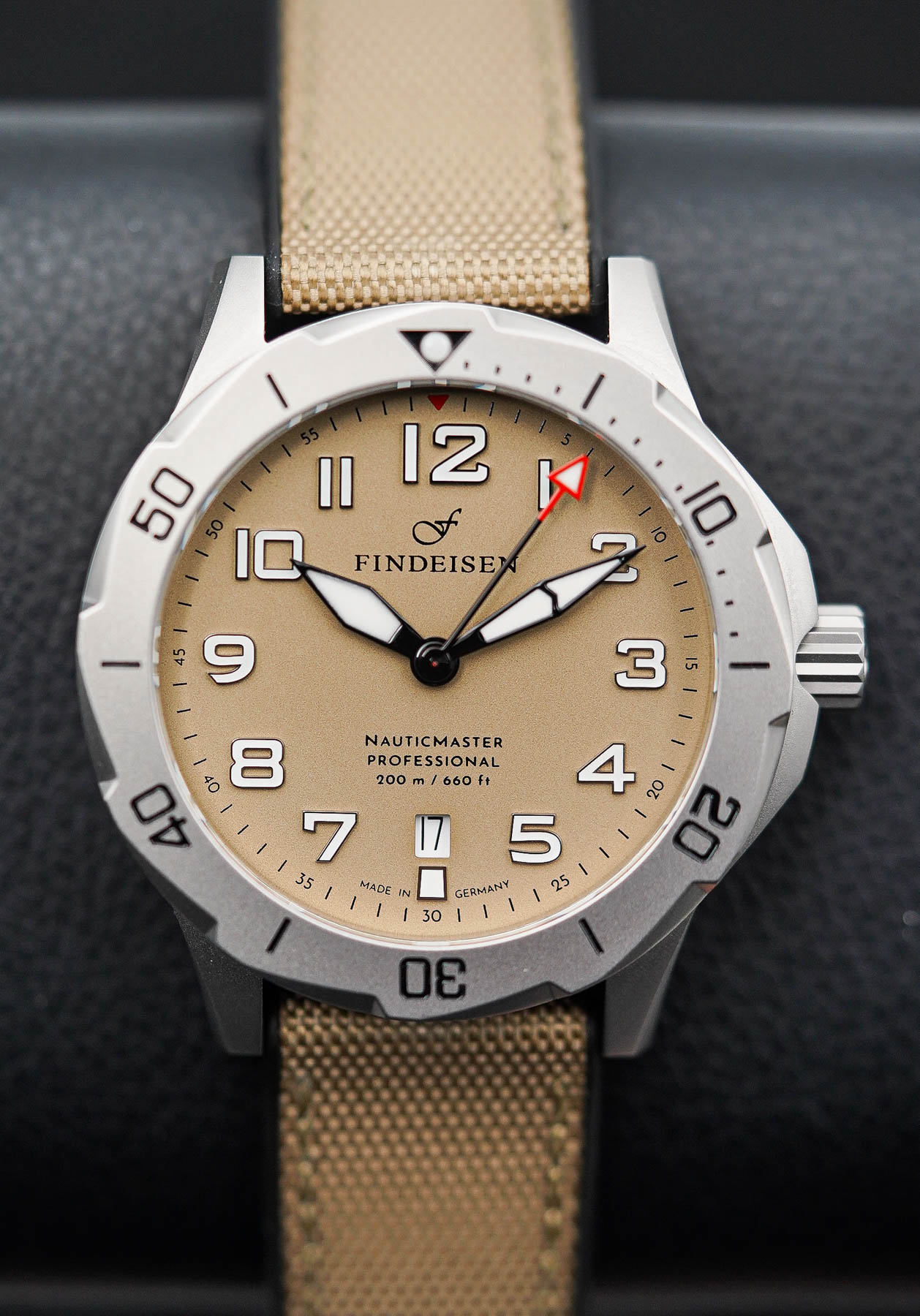
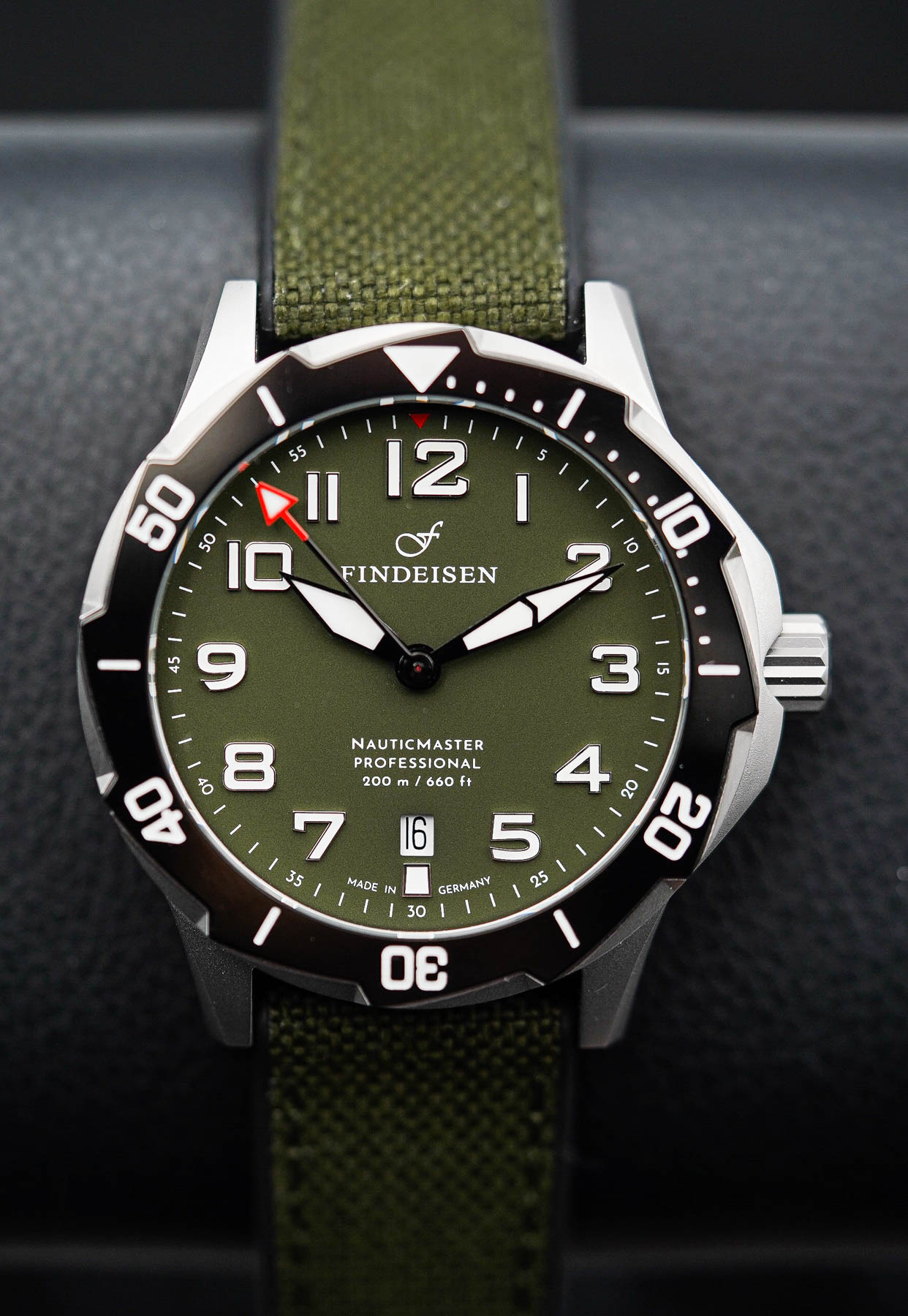
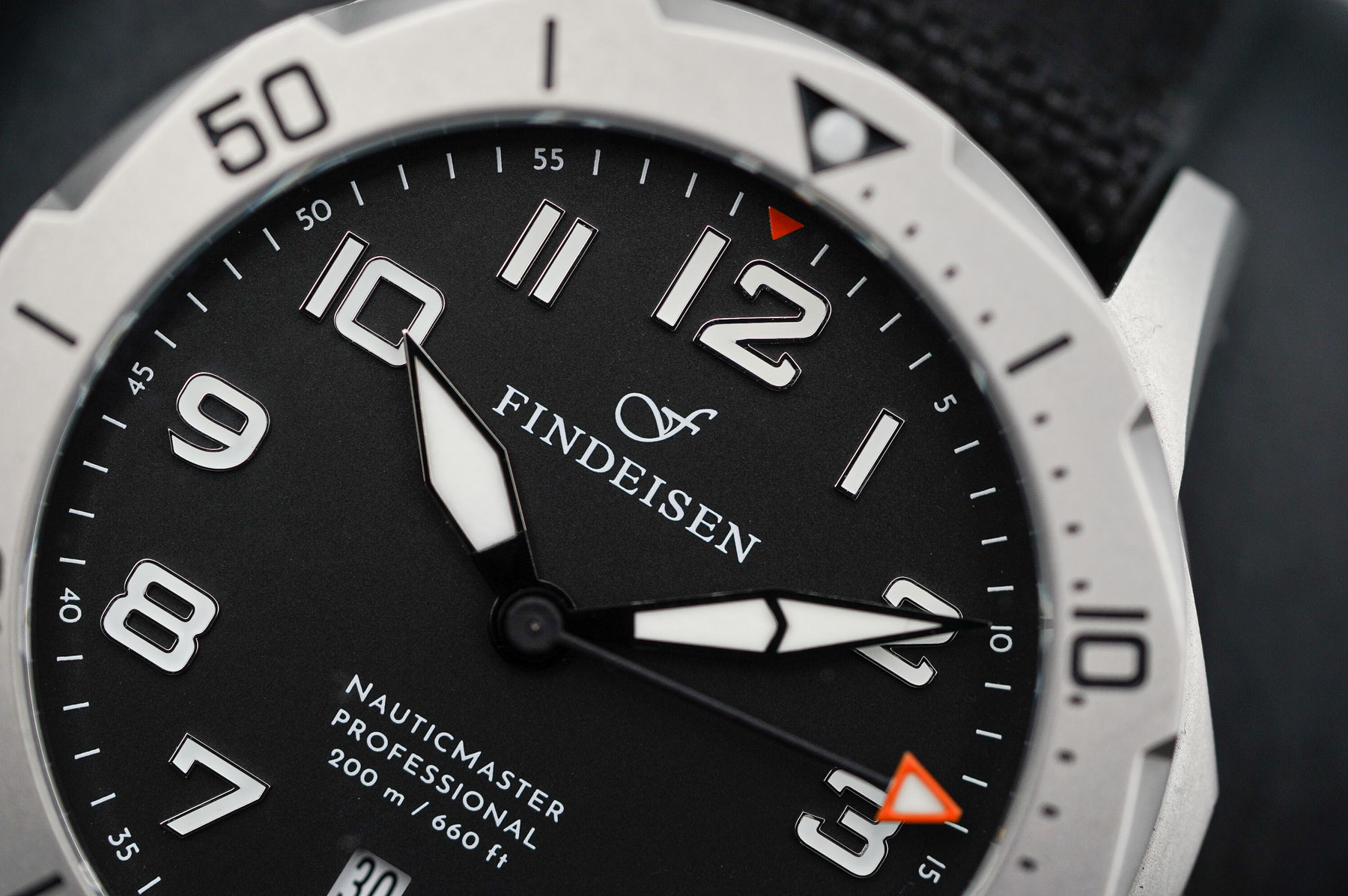
The dial on the NauticMaster Field is, in my opinion, very well executed. It blends elements of a field watch, flieger and diver into a cohesive, functional design. There are three dial colours available: Khaki (a sand tone), Black and Olive (a deep green). The applied Arabic numerals are polished with lume-filled centres, giving both depth and excellent legibility. Around the perimeter, you get a clean printed seconds track for precise time reading. At 12 o’clock, the printed Findeisen logo sits neatly under the crystal, while at 6 o’clock there’s a date window with a white date wheel. At this price point, I would have preferred a colour-matched date wheel, but it’s a minor complaint. Beneath the date, you’ll find the “Made in Germany” text, and just above it “NauticMaster Professional 200m/660ft,” reinforcing the tool-watch credentials.
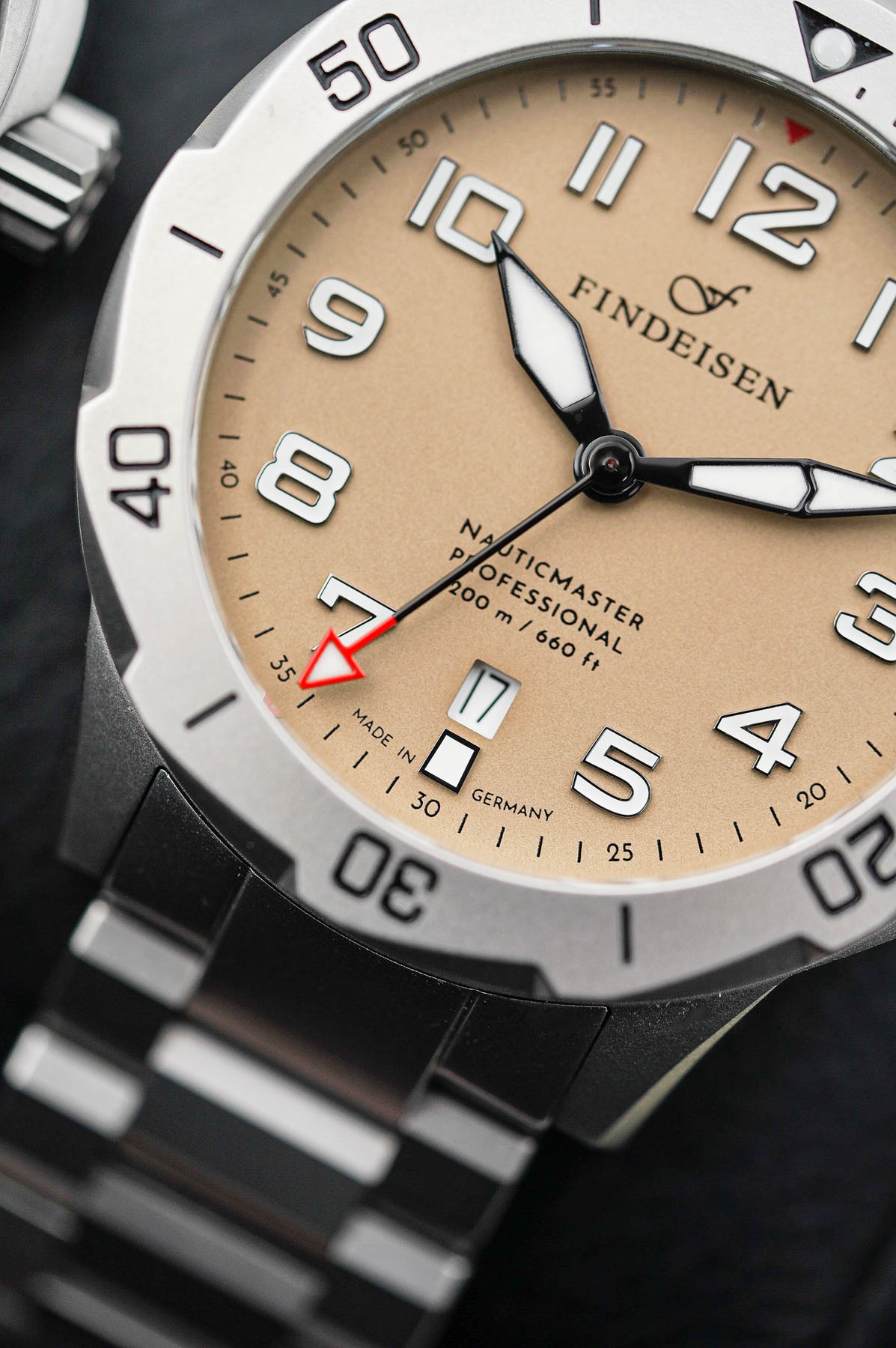


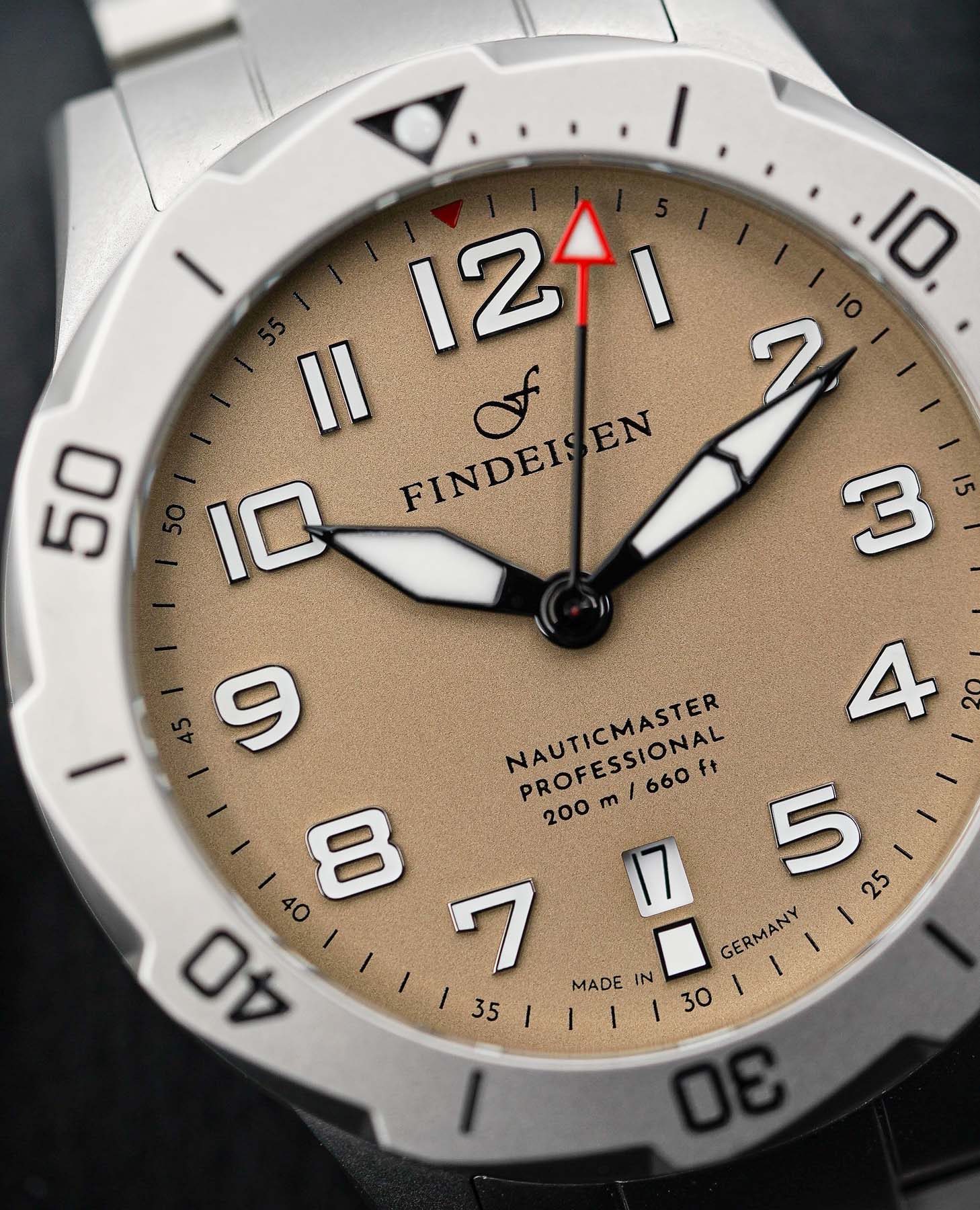
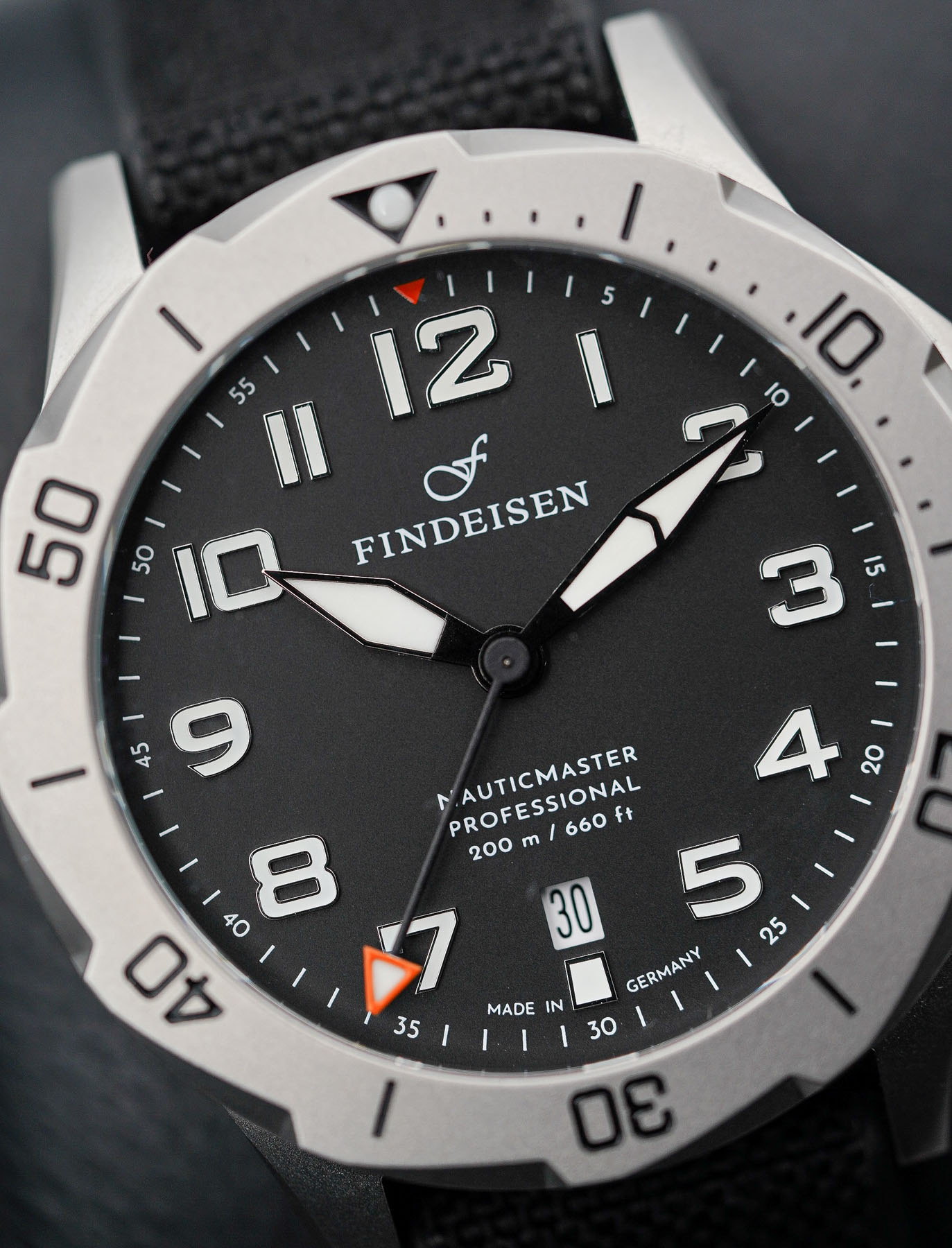
The sword-shaped hour and minute hands are either polished or black, depending on the dial variant, and are filled with lume through the centre. The seconds hand is arrow-shaped in black with a red-outlined tip, also lume-filled. In terms of legibility, the watch is excellent—both in daylight and in the dark. The lume on the hands and hour markers glows blue, while the minute hand glows green, which is a clever and distinctive detail that also helps with quick orientation at a glance.


Inside the NauticMaster Field Diver you’ll find two movement options: the Damasko A26.2 Top and the Sellita SW200 Elaboré. Both are high-grade calibres and perfectly in line with the tool-watch character of the piece, but the Damasko comes in at a higher price point. Interestingly, if you judge them purely on visible finishing, you might assume it’s the other way around—the Sellita often looks a bit more “dressed up,” while the Damasko quietly puts its money into engineering, materials and robustness rather than decorative flair.
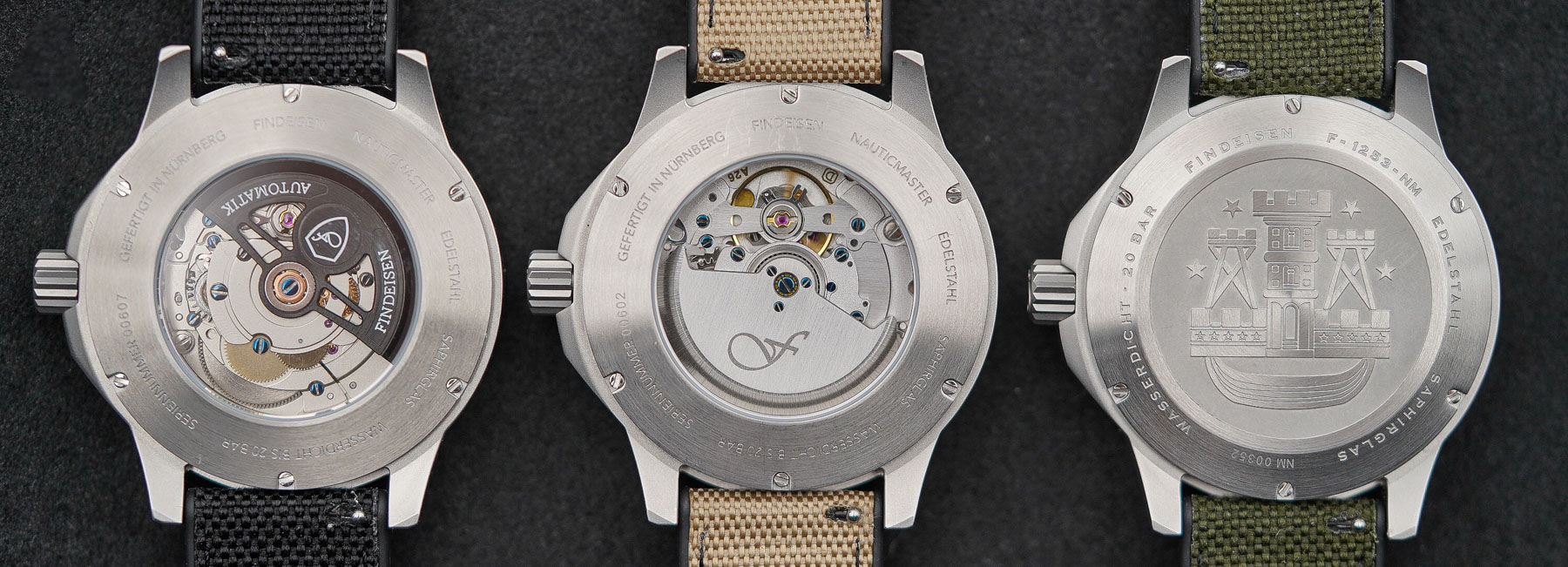
The Damasko A26.2 Top (A26-2) is one of those movements that quietly rewards anyone who looks past spec sheet clichés and actually cares about engineering depth. Developed as Damasko’s own alternative to the ETA 2824 architecture, it keeps the proven layout but reworks the execution with a very German, tool-watch mindset. You get a 28,800 vph automatic calibre with bidirectional pawl winding, 42 hours of power reserve and 20 jewels, but the real story is in the details. The Top grade version adds exactly what enthusiasts want from a “manufacture” movement: tighter regulation in multiple positions, upgraded components and serious attention to robustness. Damasko uses advanced materials such as a silicon escape wheel in certain A26 variants, and the family is built to DIN standards for shock resistance (DIN 8308) and anti-magnetism (DIN 8309), which is not something most brands even mention, let alone certify.
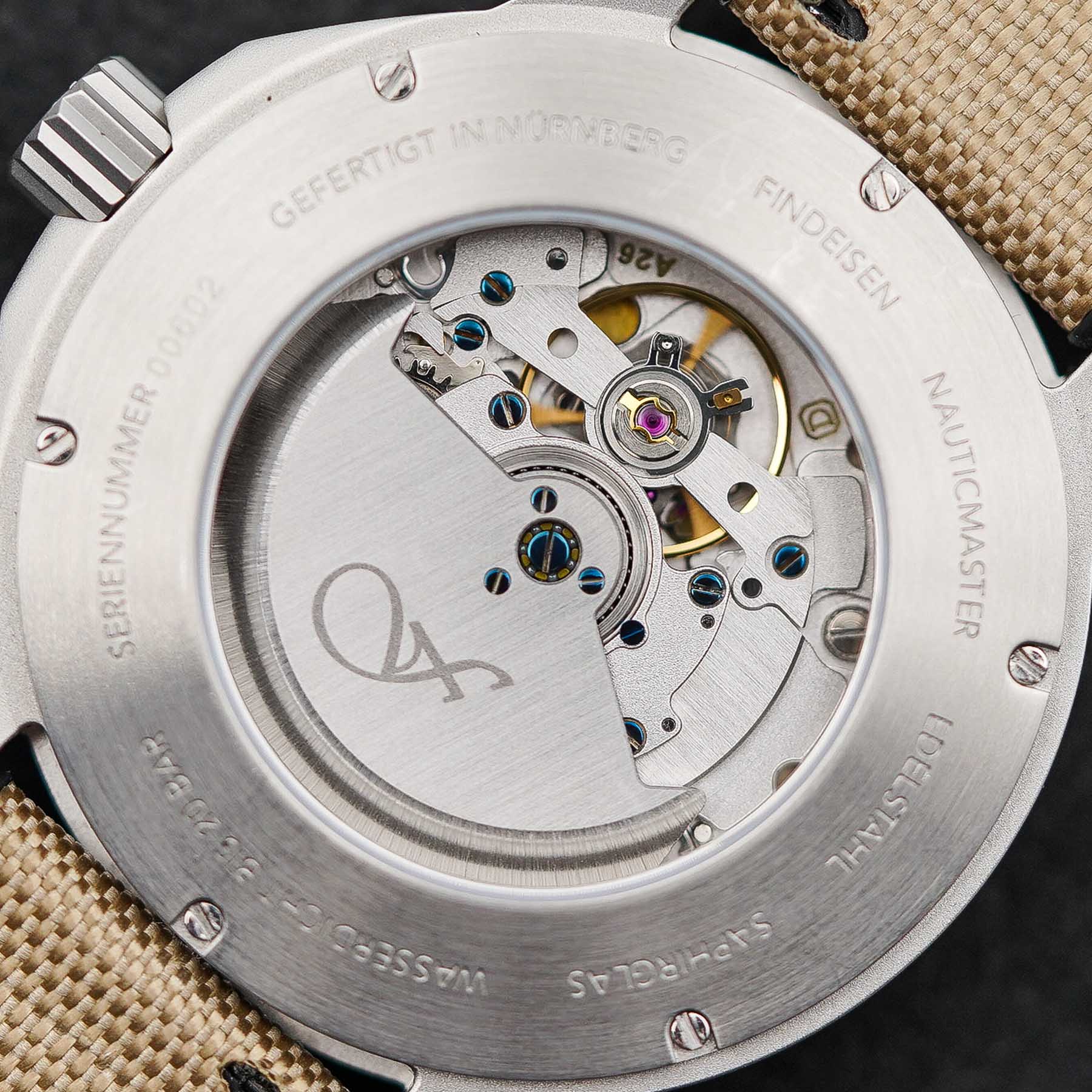
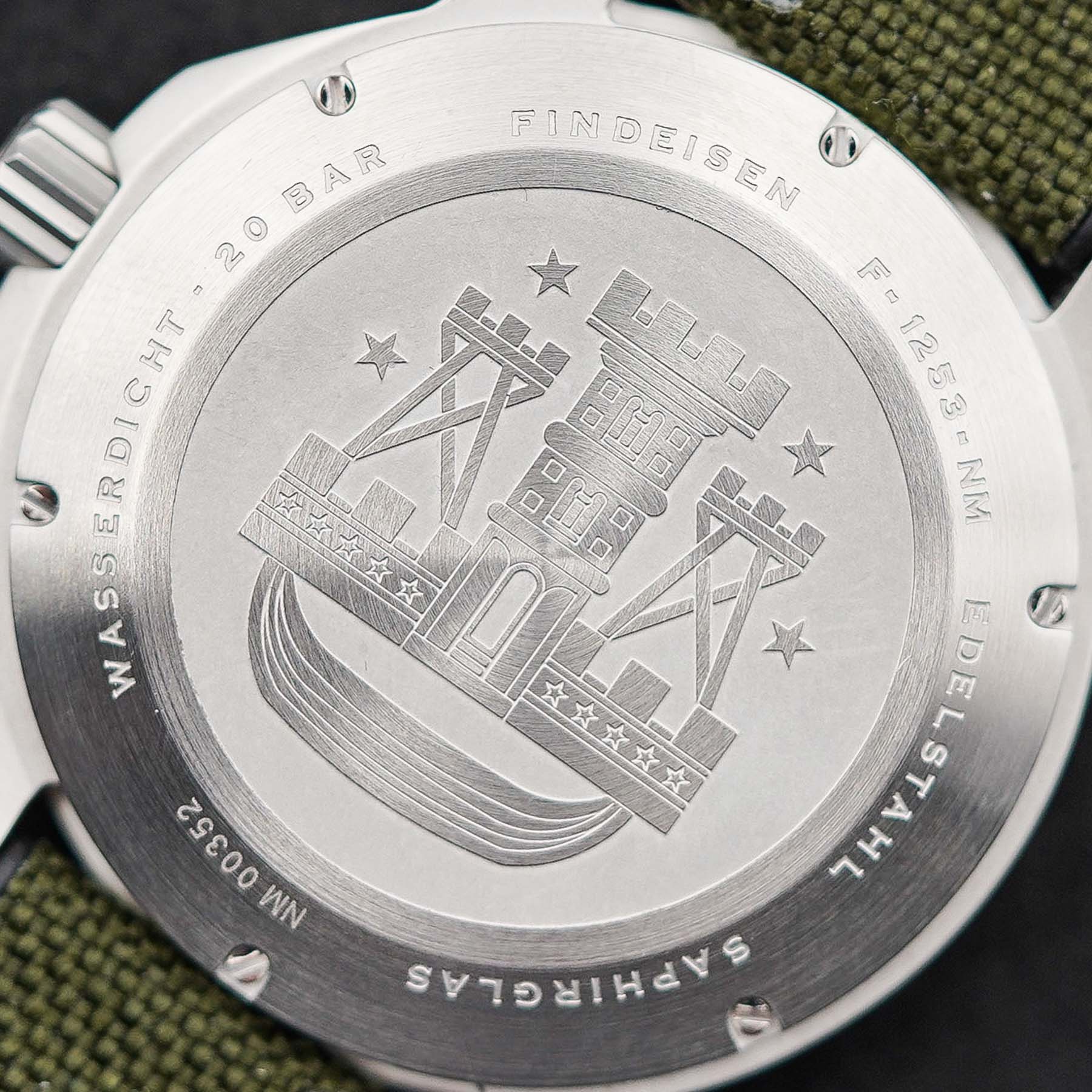
In daily use, the A26.2 Top is designed to feel invisible in the best way: easy winding, a smooth-sweeping seconds hand and stable timekeeping that doesn’t demand constant babysitting. The bidirectional pawl winding and rotor running on ceramic ball bearings are engineered for long-term durability rather than marketing noise. What also matters is independence. The whole point of the A26 project was to free Damasko from the ETA/Sellita supply rollercoaster while keeping prices in a realistic range. For the buyer, that translates into a true in-house calibre without the usual luxury-brand tax. If you like sterile display backs and Geneva-striped jewellery, this isn’t your movement. If you care about an over-engineered, spec-driven German tool movement with serious anti-magnetic and shock resistance, the A26.2 Top feels absolutely on-brand for Damasko: low-key, technical and built to be worn hard rather than worshipped in a watch box.




The Sellita SW200 Elaboré grade is the modern definition of a “no-nonsense Swiss workhorse.” Based on the architecture of the ETA 2824-2, it offers everything you expect from a contemporary everyday automatic: 26 jewels, 28,800 vph, hacking seconds, hand-winding, quickset date and a power reserve in the 38–41 hour range. Where the Elaboré (often called “Special”) grade differentiates itself is regulation and quality control. Compared with the standard grade, the Elaboré is adjusted in more positions and is specified for tighter accuracy, typically in the range of about –7 to +20 seconds per day, with improved positional consistency versus the entry grade. In real-world terms, a well-cased and properly regulated SW200 Elaboré can easily run within a few seconds per day, which is more than enough for daily wear.
Both movements feature custom rotors, and Findeisen has clearly put thought into how each one supports the character of the watch. The Sellita comes with a signed, skeletonized black rotor that looks fantastic through the display back — visually, it’s my favourite of the two. The Damasko, on the other hand, uses a heavy iron rotor made of tungsten with the Findeisen logo engraved, leaning more into engineering substance than visual flair. While the Sellita wins on immediate aesthetics, I have a lot of respect for what Damasko has done with the A26.2. It’s essentially a modernised take on the ETA 2824 concept, upgraded with higher resistance to magnetism and shock, which fits perfectly with the “go anywhere, do anything” idea behind this watch. Long-term, time will be the ultimate judge, but so far I haven’t come across any consistent negative feedback about this calibre. Is it worth the extra €1,100? That really comes down to how you plan to use the watch and what you value more: visible refinement, or overbuilt engineering under the dial.
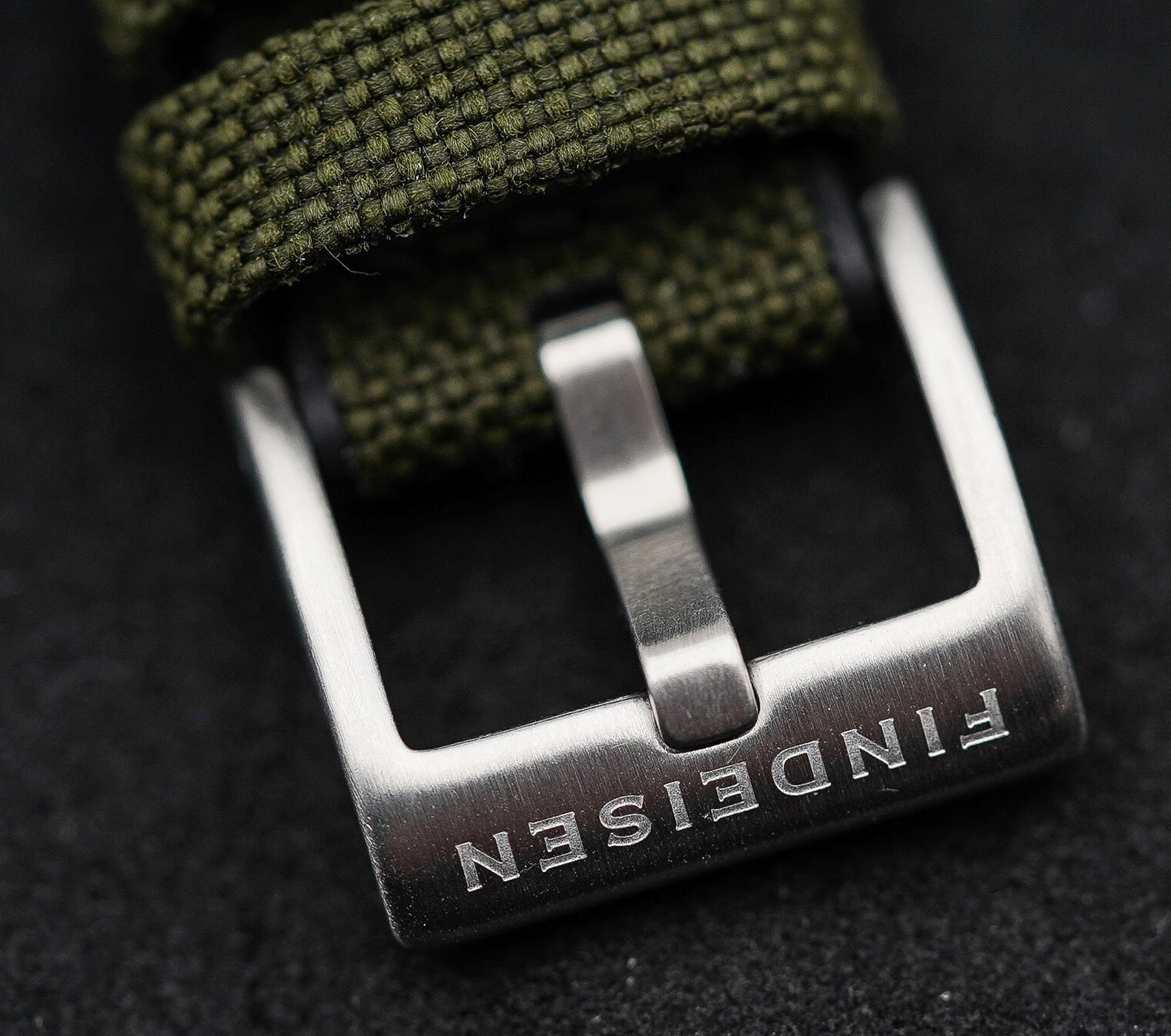
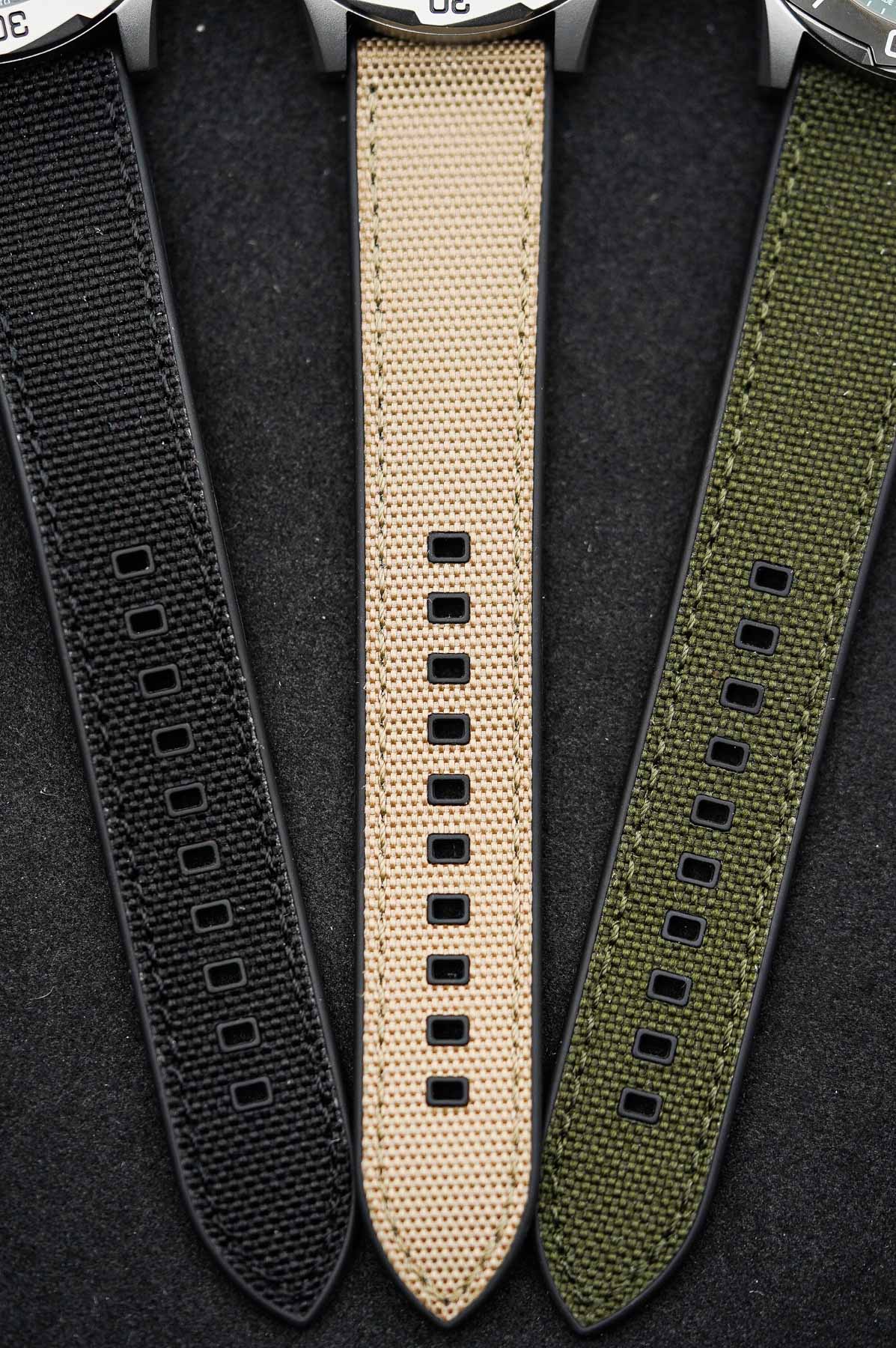
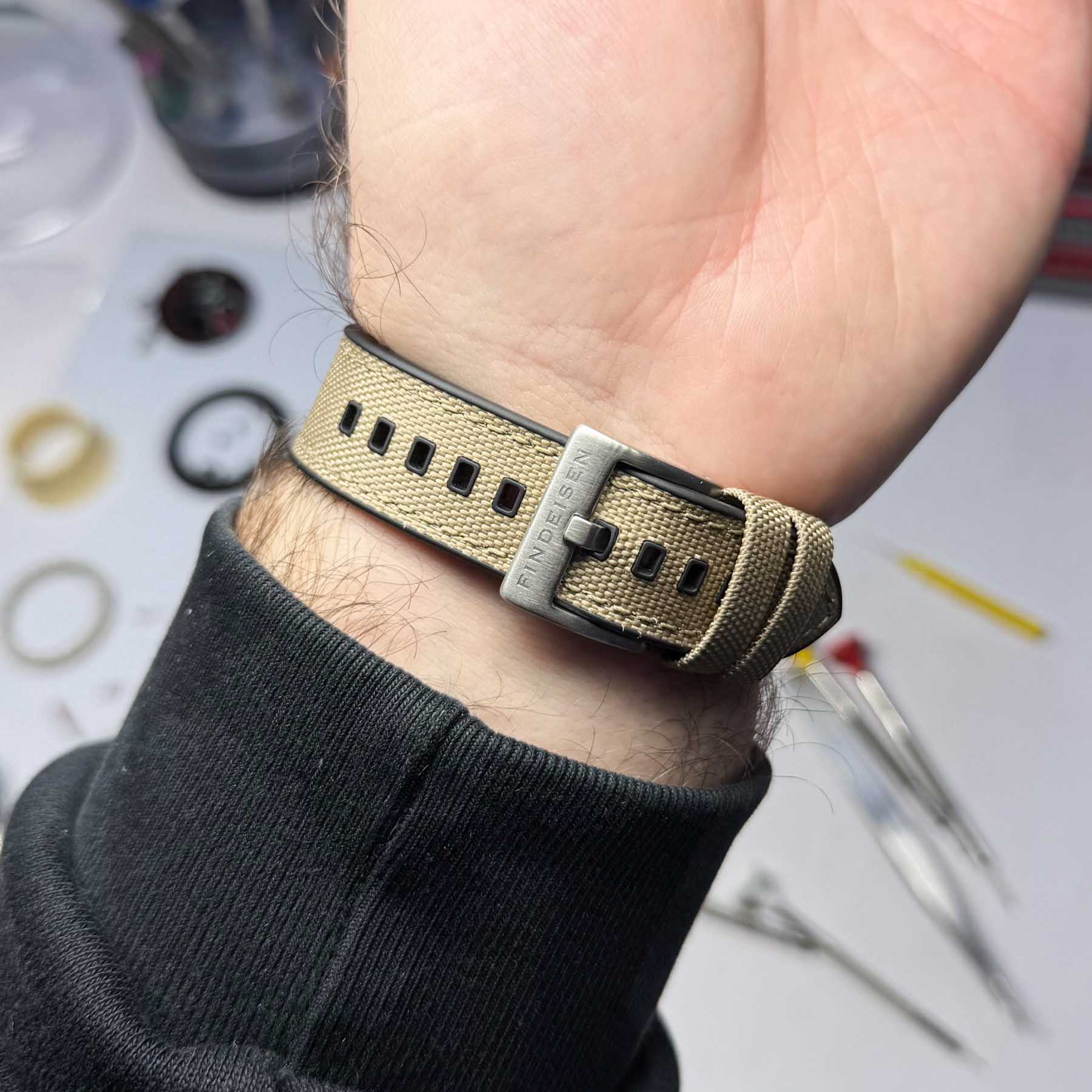
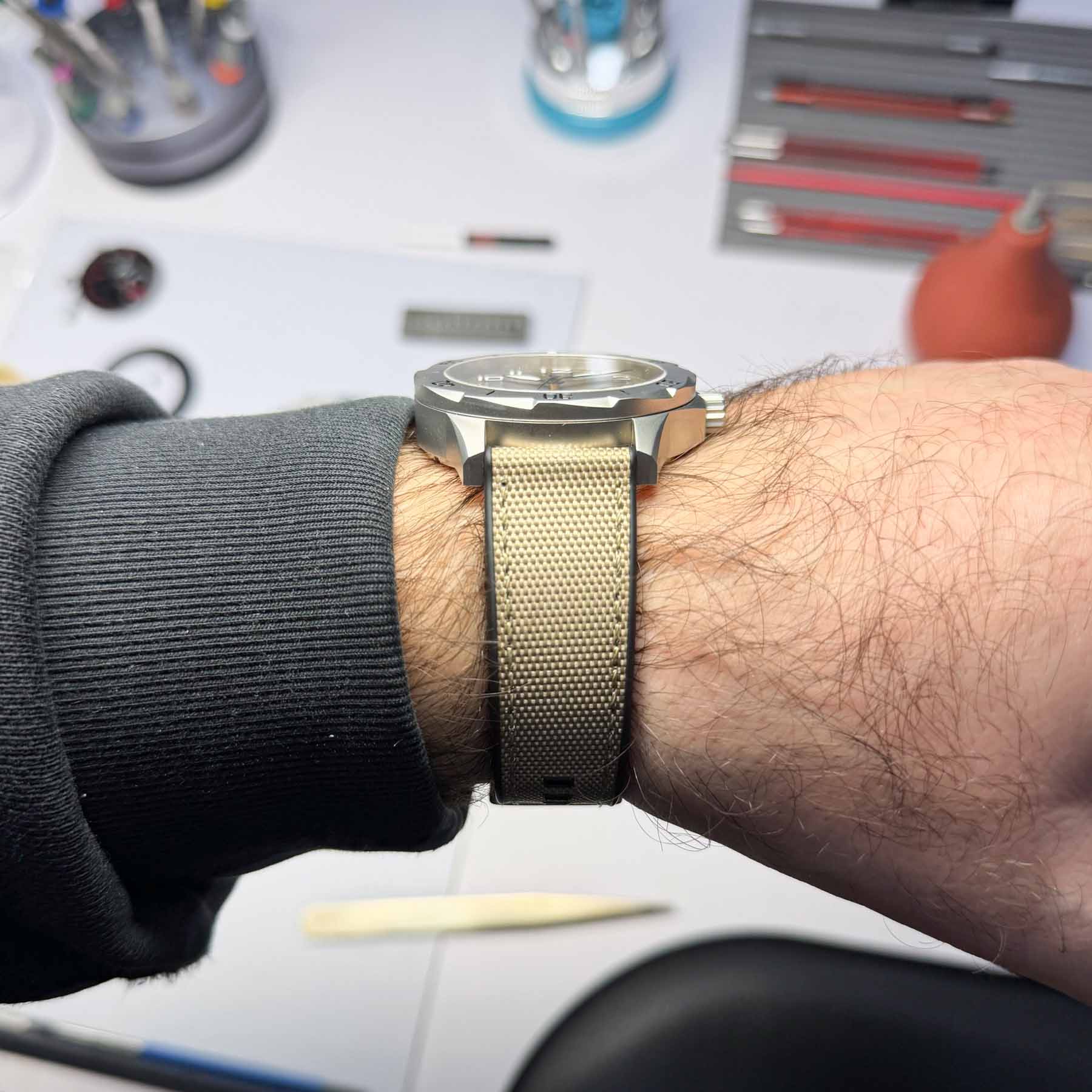
Strap-wise, Findeisen gives you plenty of choice: a rubber strap with Cordura insert, a full rubber strap, and a stainless steel bracelet. My favourite of the three is definitely the rubber/Cordura option. Essentially, it’s a rubber strap with a textile (Cordura) layer on top. It’s very supple on the wrist, looks great, and gives the impression of being highly durable. Like all Findeisen straps and the bracelet, it features quick-release spring bars, so you can swap between options without any tools. The rubber/Cordura strap is fitted with a stainless steel pin buckle signed with the Findeisen logo. It measures 20 mm at the lugs and tapers nicely to 18 mm at the buckle, which adds to the comfort and visual balance.

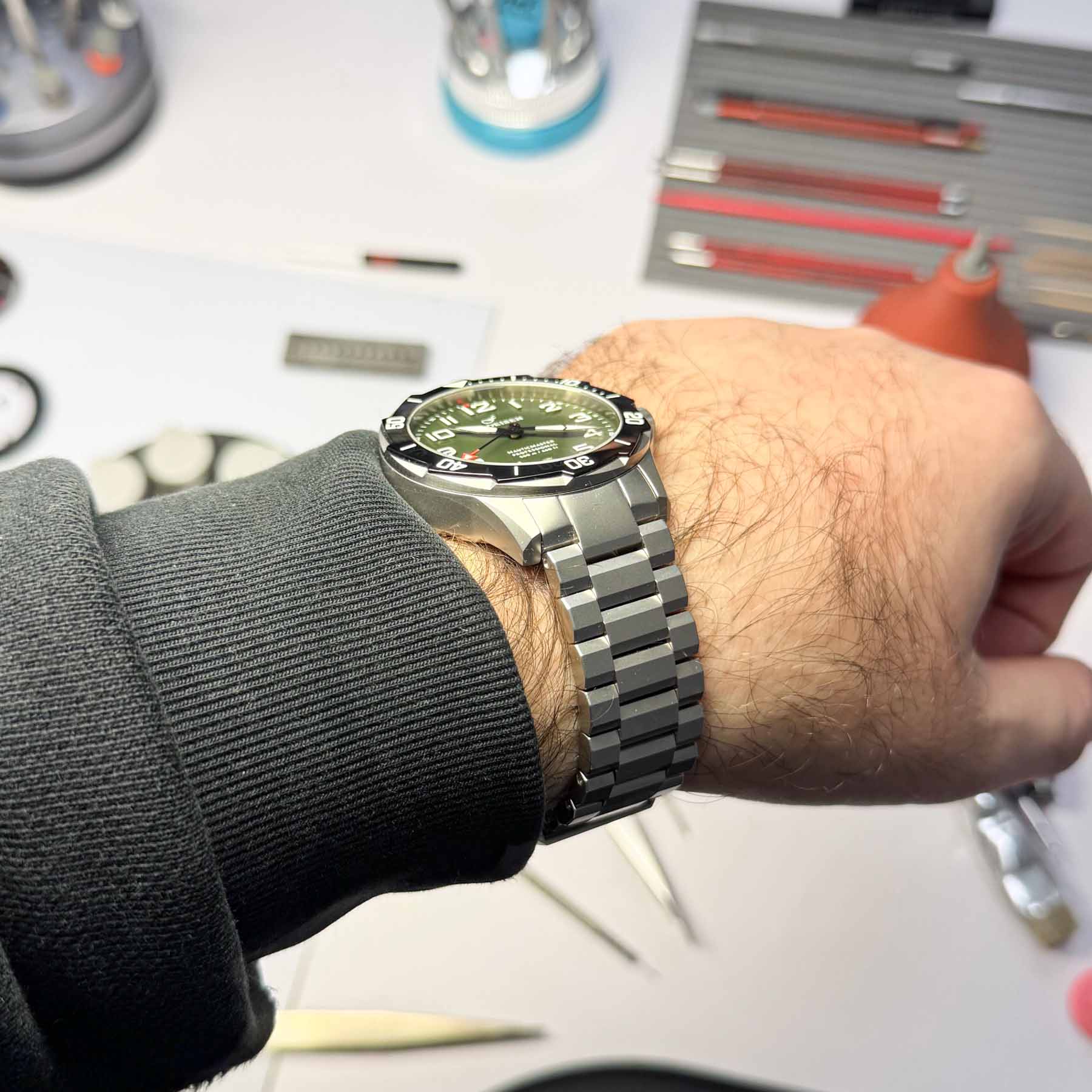


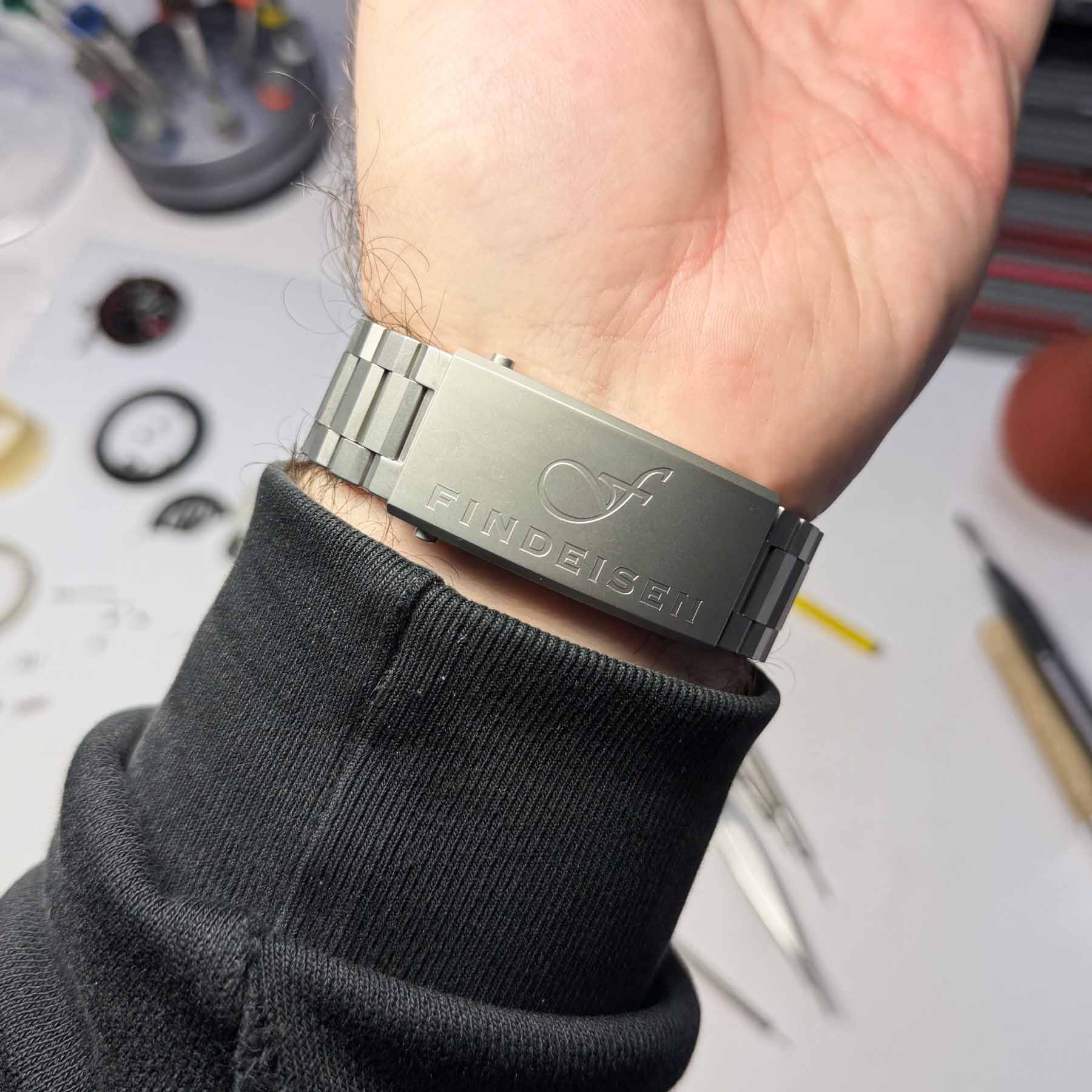
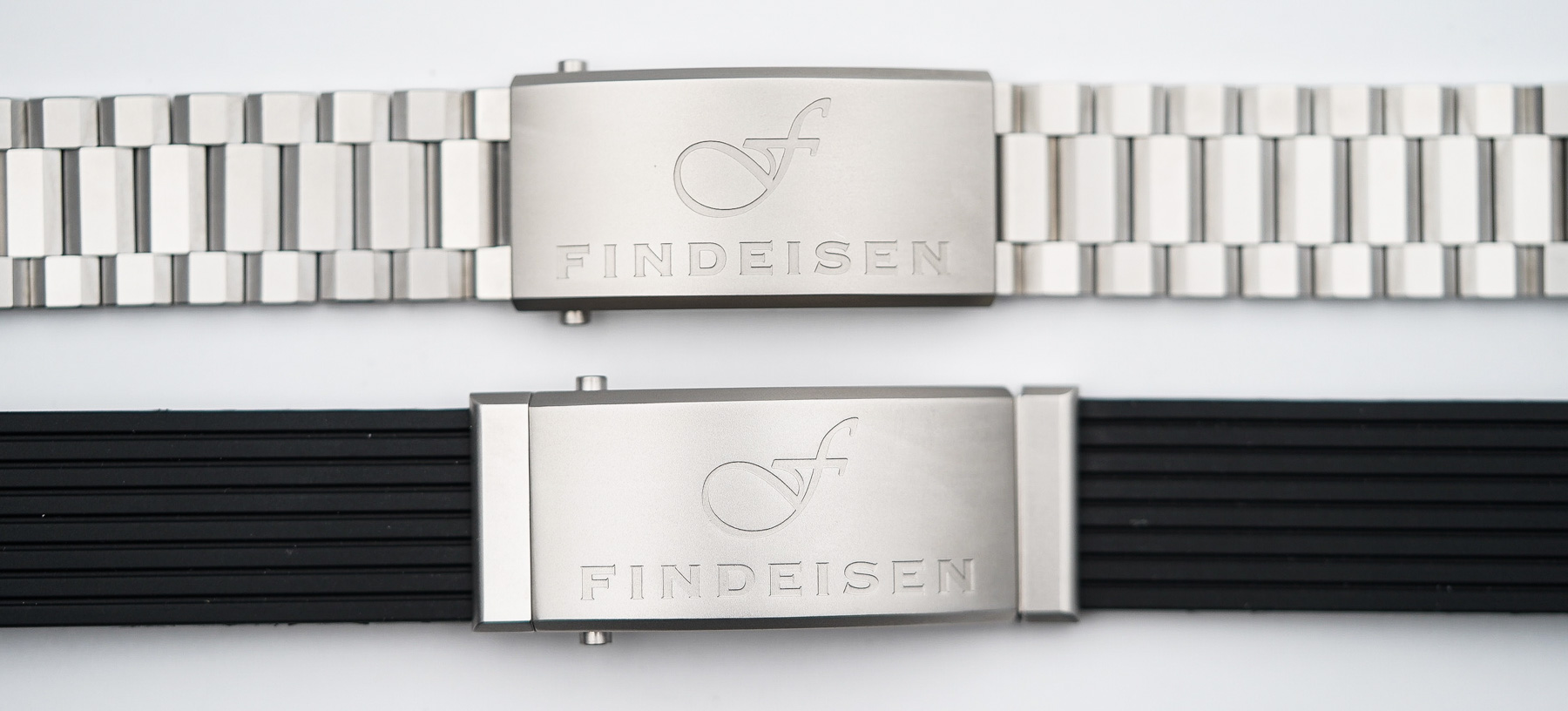
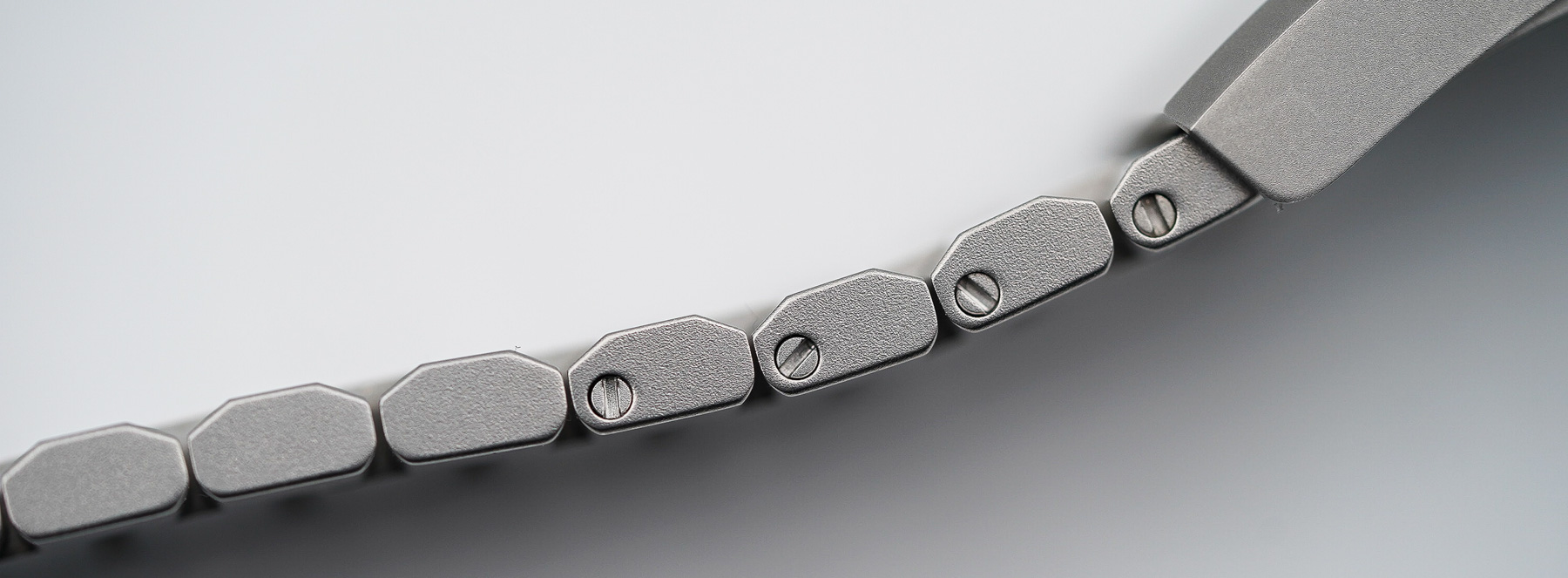
The bracelet is made of stainless steel and carries the same bead-blasted satin finish you find on the case. It’s a straight 20 mm bracelet with no taper, built in a three-link style with relatively short links for a better fit around the wrist. The clasp is large and features an equally large engraved Findeisen logo which, to be honest, looks a bit overdone — I’d prefer it to be about a quarter of the size. On the plus side, the clasp offers several micro-adjustment positions and includes a diver’s extension, which is handy if you actually plan to use the watch over a wetsuit. The links are secured with screws, which is always good to see at this price point. The full rubber strap comes only in black and must be cut to size, which I’m not a huge fan of — once it’s cut, there’s no going back. It uses the same clasp as the bracelet. If I were buying the NauticMaster Field Diver for myself, I would unquestionably choose the rubber/Cordura strap configuration.
After spending real time with the NauticMaster Field Diver in three different configurations, my opinion has shifted quite a bit from that first lukewarm impression. This is one of those watches that doesn’t scream for attention out of the box but steadily wins you over through execution, materials, and a very clear sense of intent. The more you wear it, the more it starts to make sense—and that’s something I value far more than instant wrist candy. Findeisen’s strength lies in how coherently everything comes together. The case proportions are excellent, the finishing is precise, and the design language feels confident without drifting into pastiche. This isn’t a retro reissue, and it’s not trying to chase trends either. The Field Diver concept—blending field watch clarity, flieger numerals and diver robustness—could easily have turned into a confused mess, but here it works. The dials are clean, legible and distinctive, and details like the dual-colour lume on the hands show that someone actually thought about real-world usability.

The standout surprise for me is the DLC bezel. It’s genuinely exceptional and sets Findeisen apart from many brands in this price segment. If there’s one element that feels truly “premium” beyond expectation, it’s this. Combined with the sharp case geometry and solid bezel action, the watch feels purpose-built rather than over-styled. Yes, I would prefer a 120-click bezel and a colour-matched date wheel, but these are refinements, not deal-breakers. Movement choice is where Findeisen gives the buyer real agency. The Sellita SW200 Elaboré is familiar, proven and visually appealing, while the Damasko A26.2 Top is all about engineering substance and long-term durability. Neither option feels like a compromise. Whether the Damasko is “worth” the premium depends entirely on what kind of enthusiast you are—but I genuinely appreciate that Findeisen even offers this choice at all. It’s an enthusiast-led decision, not a marketing one. Straps and bracelet further reinforce the impression that this brand cares about the full ownership experience. The rubber/Cordura strap in particular is excellent and, in my view, the best way to wear this watch. The bracelet is solid and functional, even if the clasp branding is a bit heavy-handed.
So where does this leave the NauticMaster Field Diver? It’s not a watch for someone chasing logos or hype. It’s for someone who values materials, engineering and thoughtful design—and who enjoys discovering quality rather than being shouted at by it. Findeisen feels like a brand that knows exactly what it wants to be: honest, robust, slightly unconventional, and very German in its priorities. If this is the direction they continue in, Findeisen is absolutely a name worth remembering—and watching.
 KaminskyBlog