
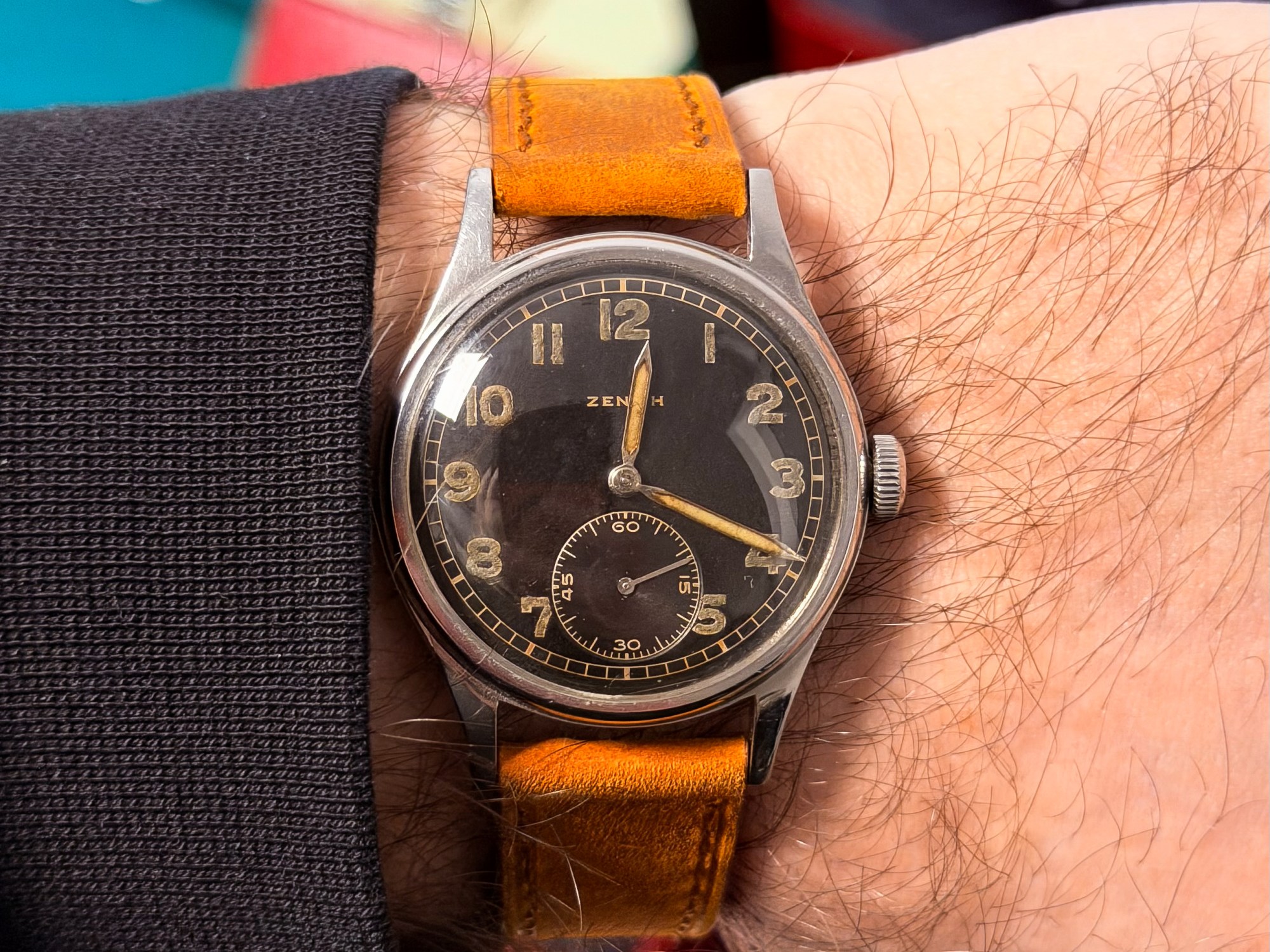
It was a summer day, and I was heading to my local collector’s flea market at the historic Bikernieki race track here in Riga, Latvia. These types of flea markets pop up regularly during the warmer months, and while I rarely return with anything—being quite selective about what I buy—occasionally, something special catches my eye. That day, one watch stood out. It was a vintage Zenith. As soon as I saw the numbers on the caseback, I immediately suspected a military connection. I checked it over—it was winding, ticking, and everything seemed in working order. I always carry a loupe and a case opener with me to these markets, just in case. I popped the case open and, to my surprise, the movement looked completely untouched—no signs of previous servicing or repair, which is rare for a watch of this age. The case was marked “Brevet,” aligning with production standards for this era of Zenith military watches.
At the time, I didn’t know much about the specific model—just that it was army-related and seemingly all-original. After giving it a thorough inspection, I offered the seller €40. He wasn’t willing to go lower than €80, but we made a deal: if the watch was still there by the end of the market, I could take it for €50. Two hours passed. The market was winding down, and the watch was still sitting there. So I bought the watch!
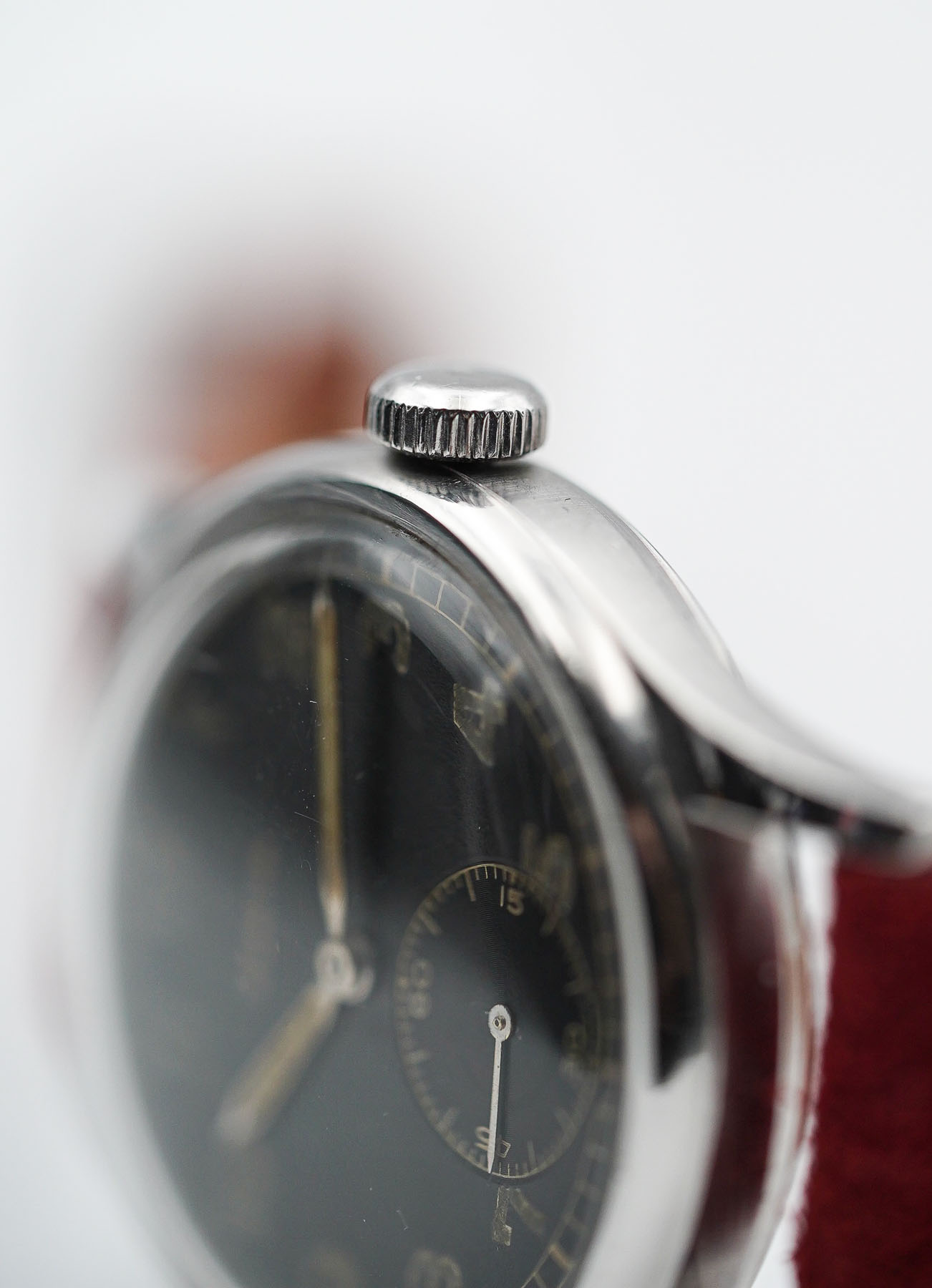
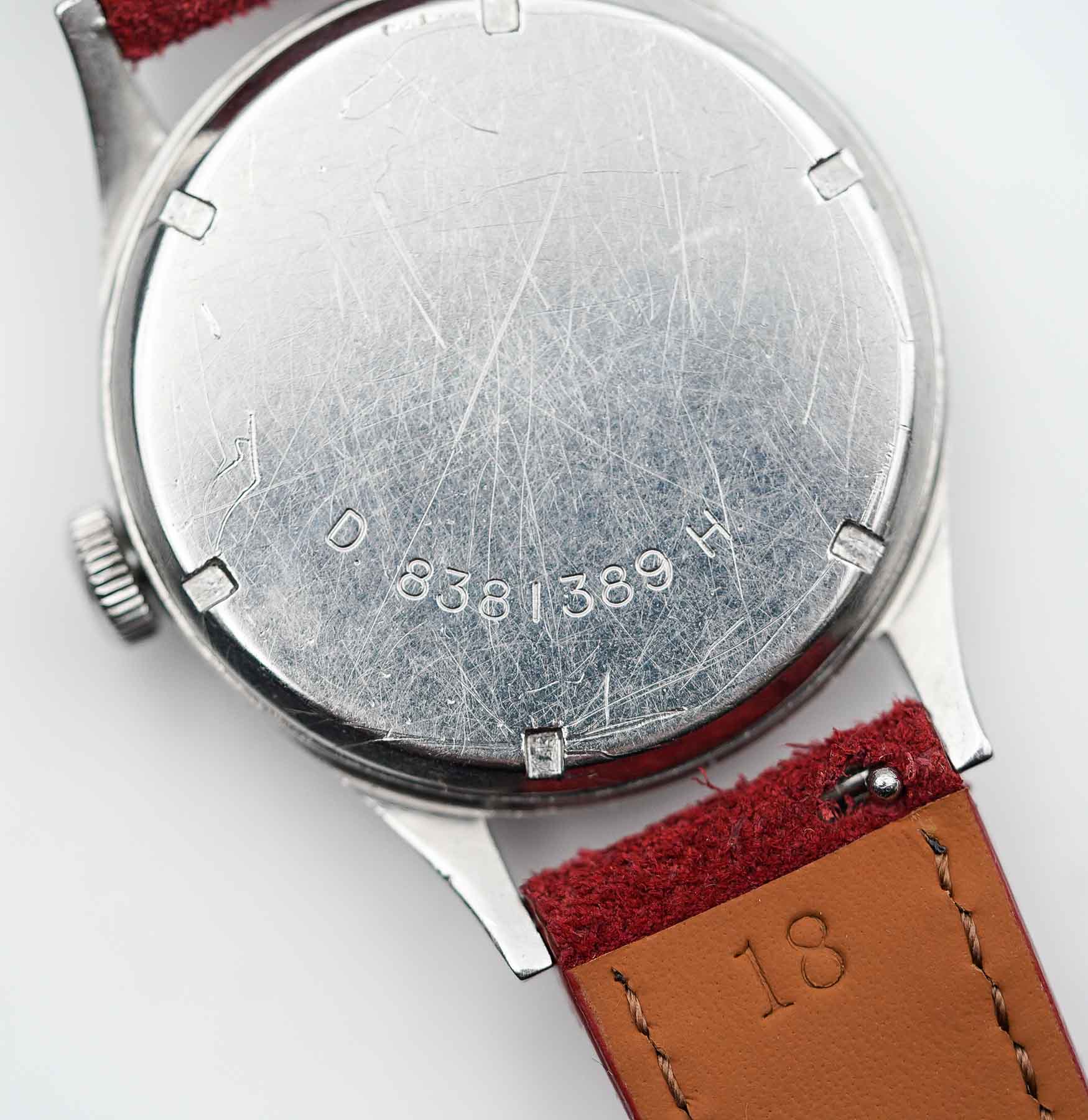
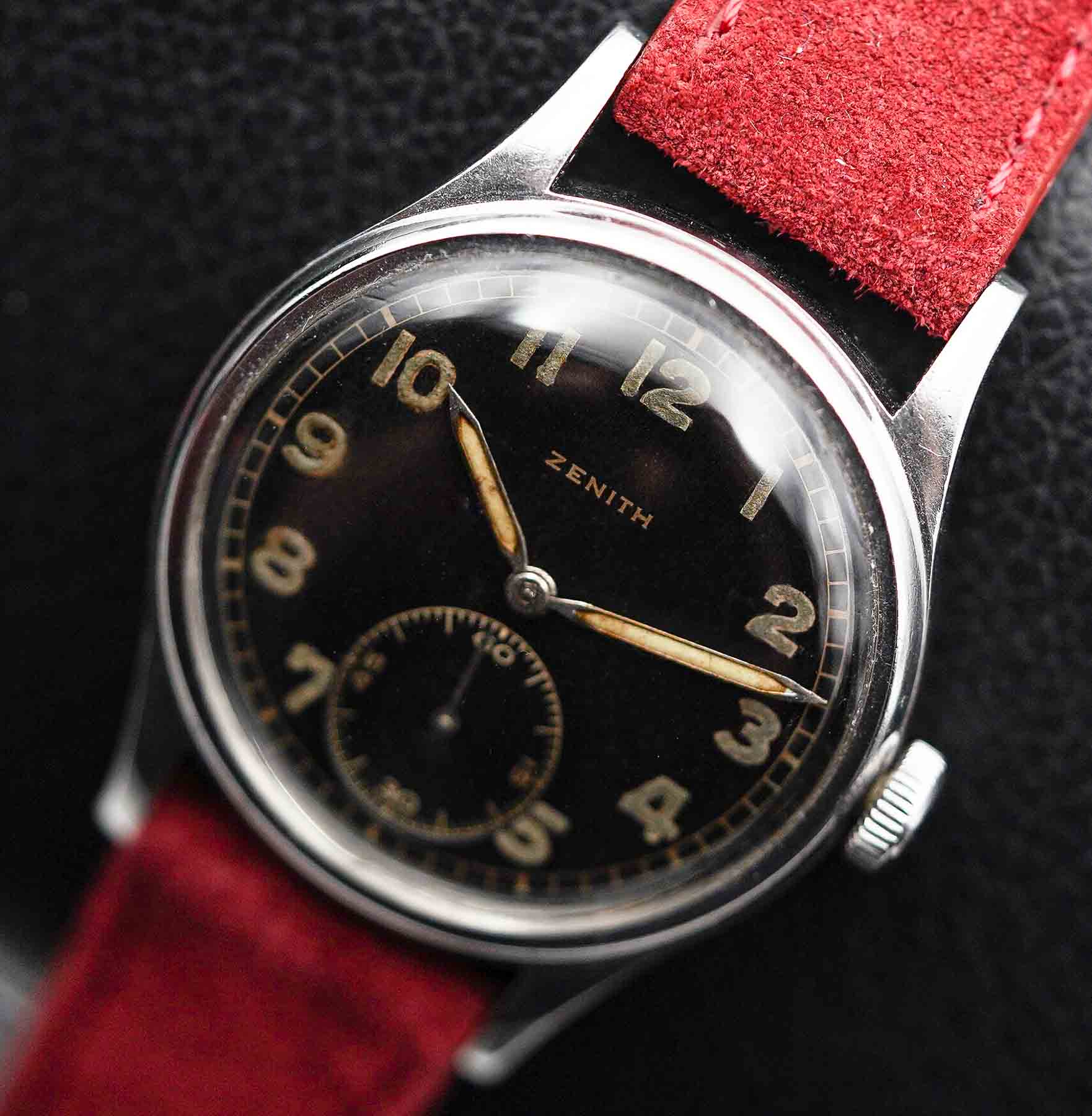
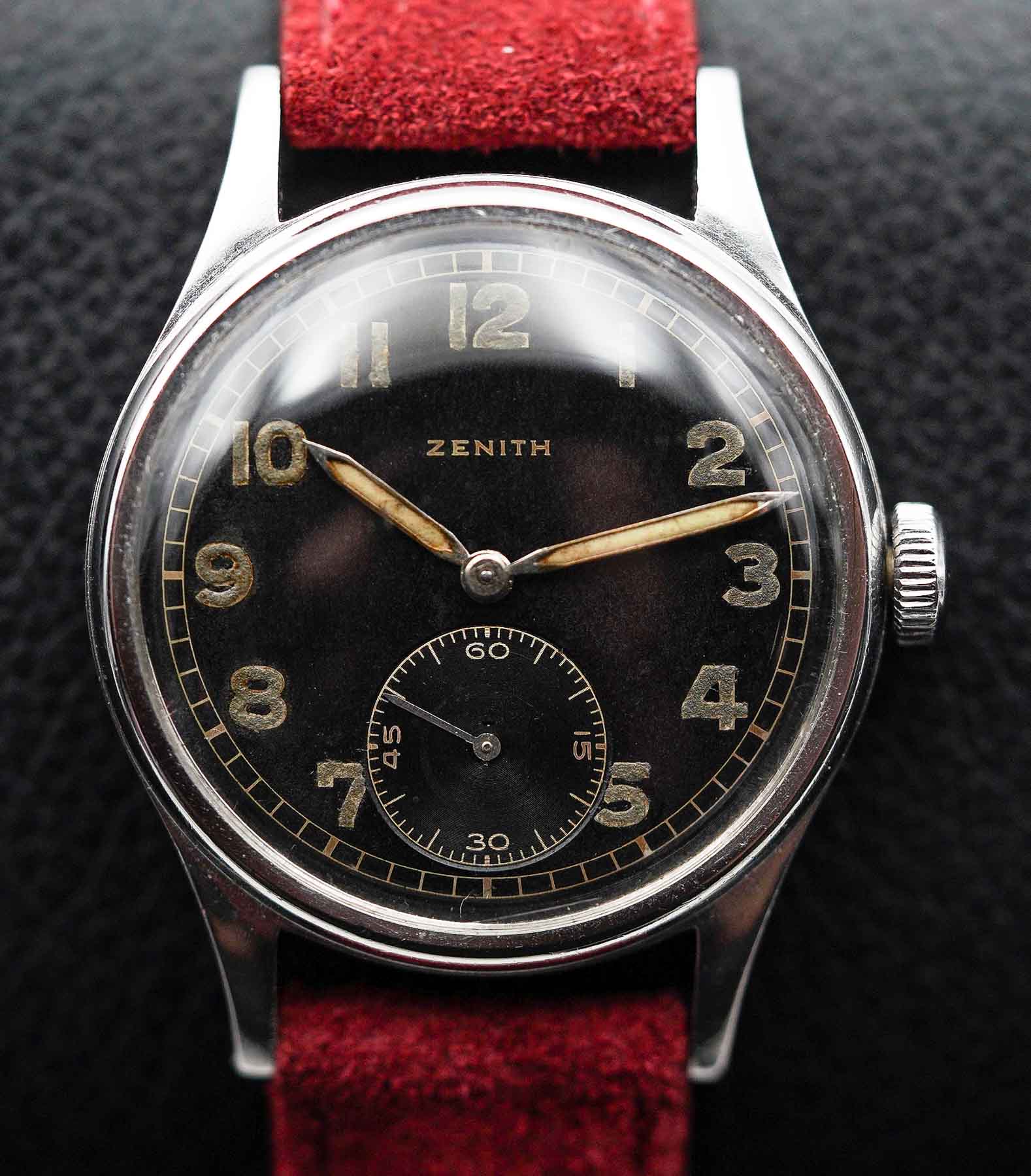
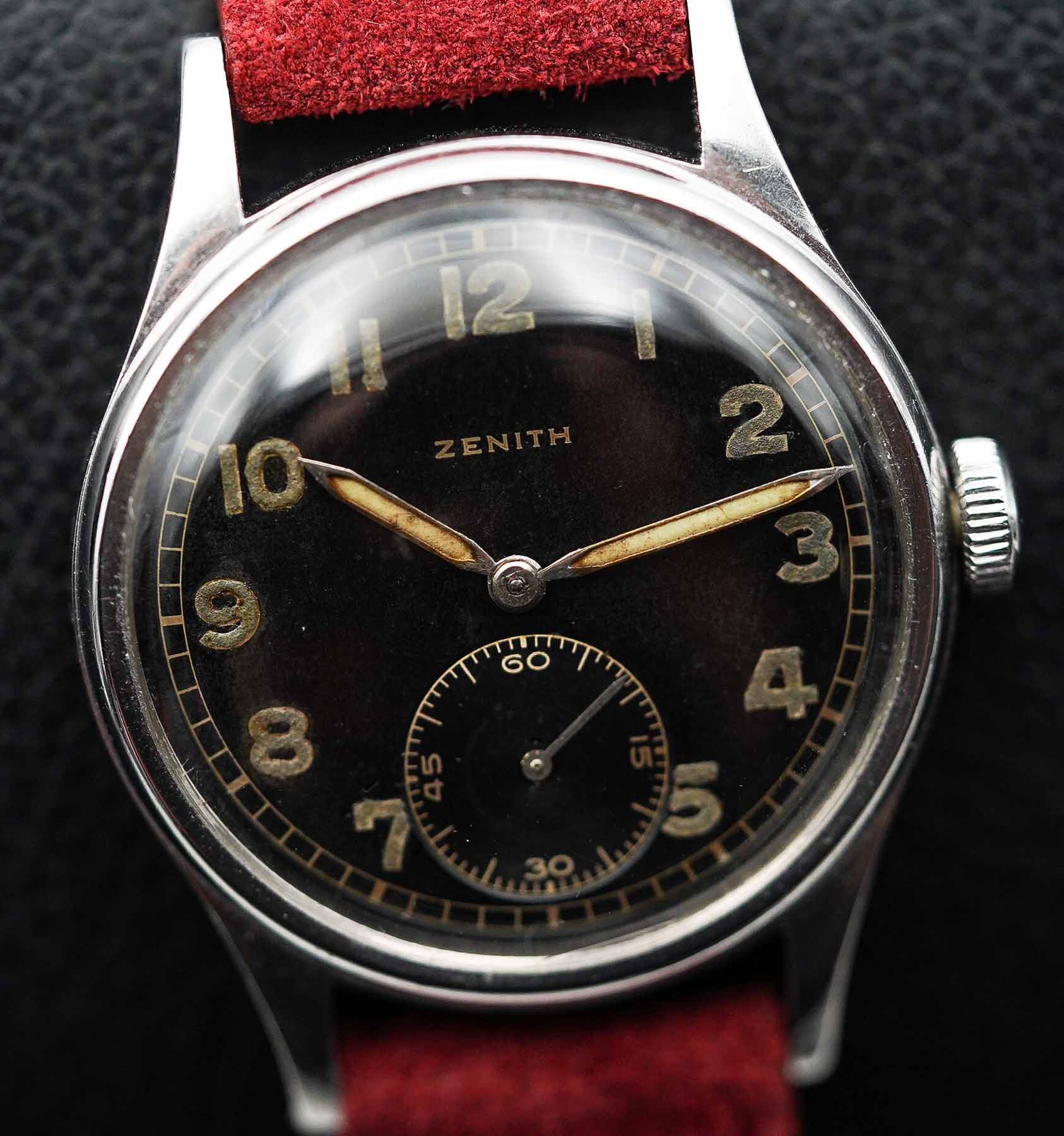
Back home, I started digging for more info—and it turns out, I scored a pretty remarkable piece for the price. This particular Zenith was produced for the Deutsche Heer (German Army) around 1942–1944. Given the time period, it’s entirely possible this watch was worn by a Nazi soldier—or perhaps it sat in the factory and only saw use post-war. Either way, the history is compelling. I also found the reference number: 1518, which came in two case variants—chrome-plated and stainless steel. The chrome models typically had radium lume only on the 3, 9, and 12 indices, and serials starting with 839, 840, or 841. The steel-case models, like mine, featured radium lume on all hour markers and serials starting from 837 to 839. Mine begins with 838, confirming it as the rarer, more robust steel version with full lume. Although these watches were likely produced in the tens of thousands, they remain surprisingly rare today, with relatively few examples showing up for sale.
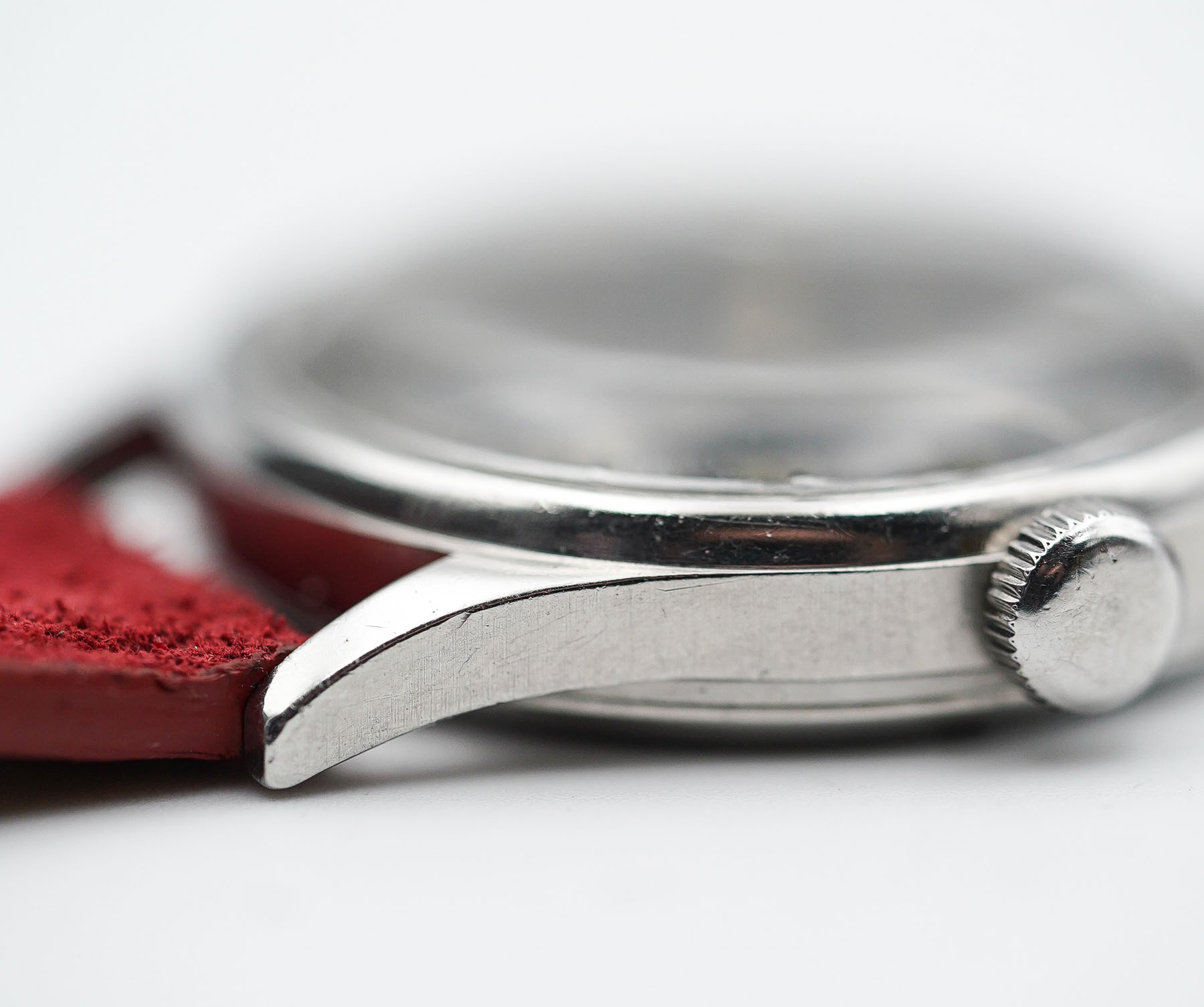
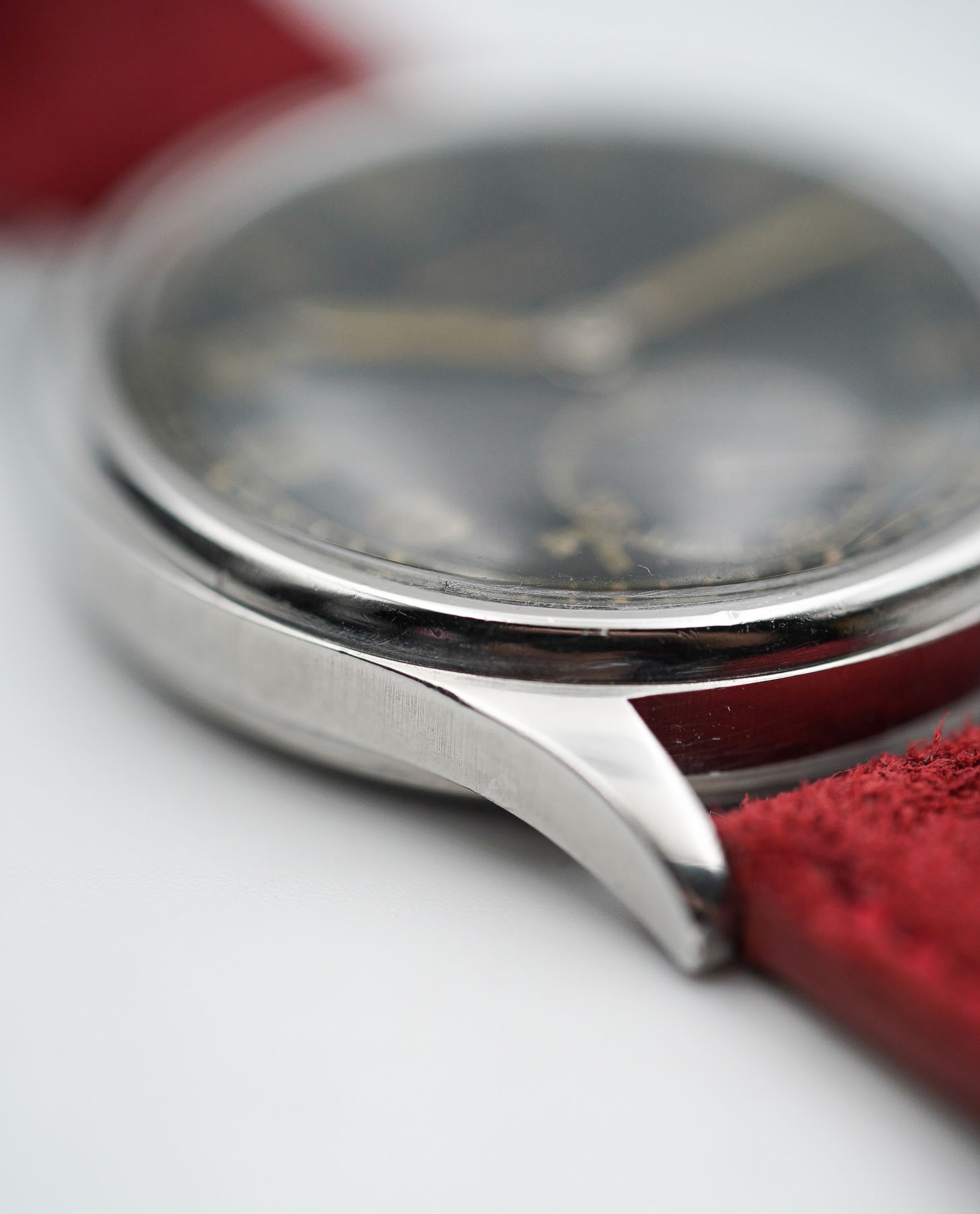
Inside the watch ticks the in-house Zenith caliber 12-4-P (specifically the 12-4-P-6 variant) which entered production around 1942. It’s a compact and reliable movement, measuring 27.25mm in diameter and just 4.2mm in height. It features 15 jewels, a 44-hour power reserve, and beats at 18,000 vibrations per hour (vph). A solid workhorse for its time, and a big part of why this watch is still running strong after nearly eight decades.
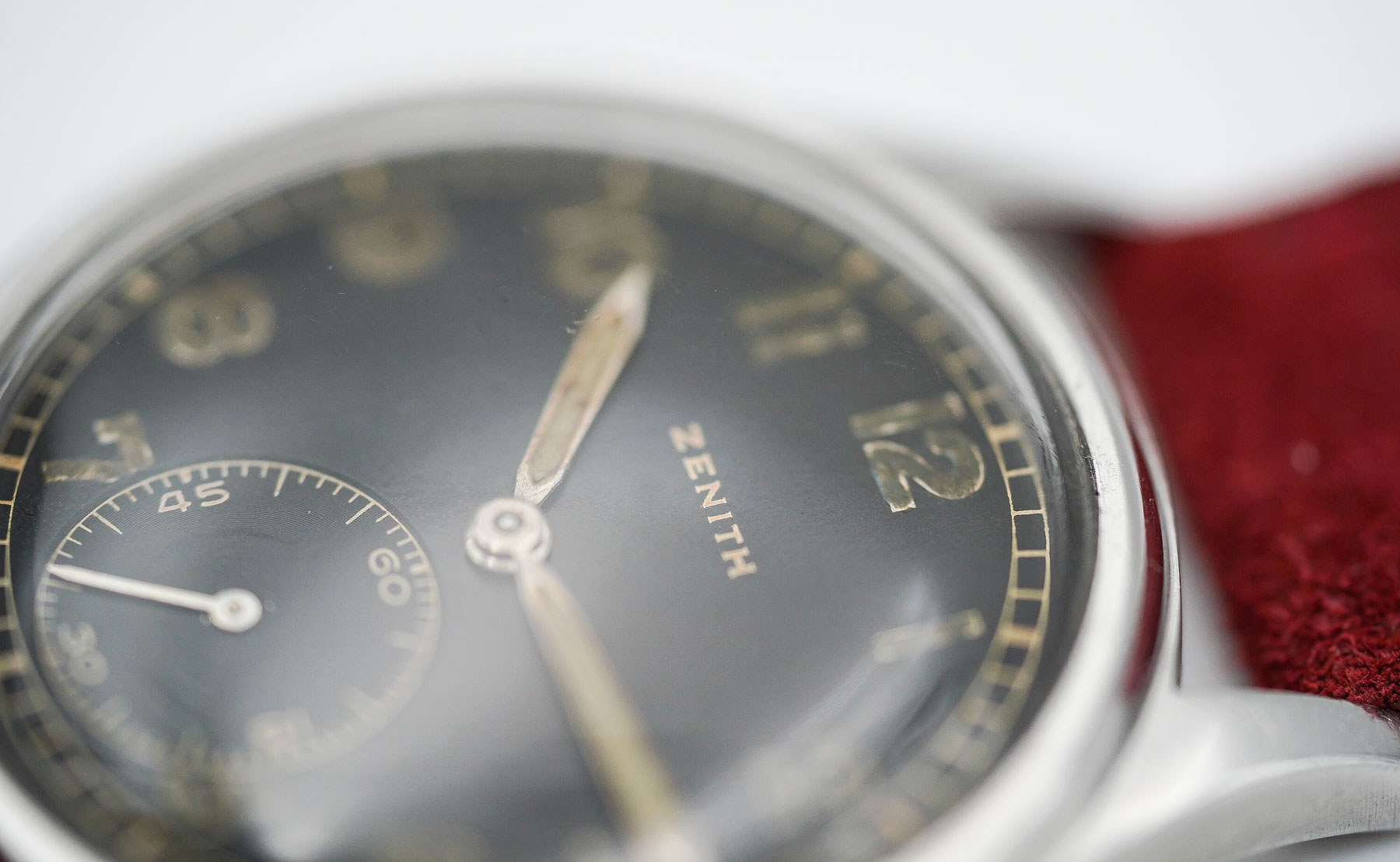
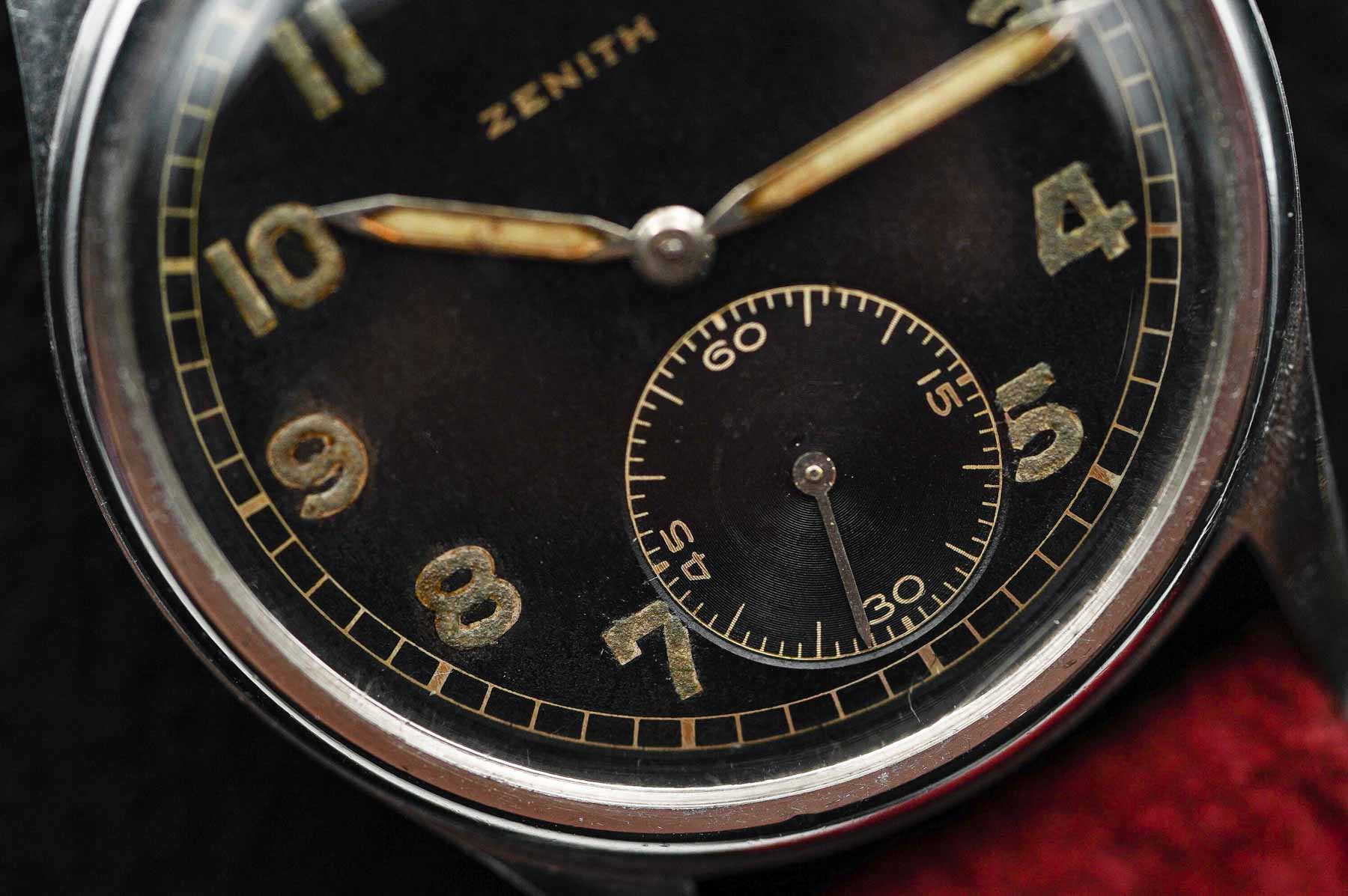
The case and dial aren’t in pristine shape, but based on what I’ve seen online, my example is in relatively good condition. Many of these watches have relumed dials or are missing the original radium entirely, and the cases are often much more worn. I ordered a suede leather strap for it and decided to give it a full service. At first, I planned to do the work myself, but eventually handed it off to a colleague to perform a full service—cleaning, gasket replacement and re-gluing the acrylic crystal and also giving the crystal a little polishing as I intended to keep the original crystal.
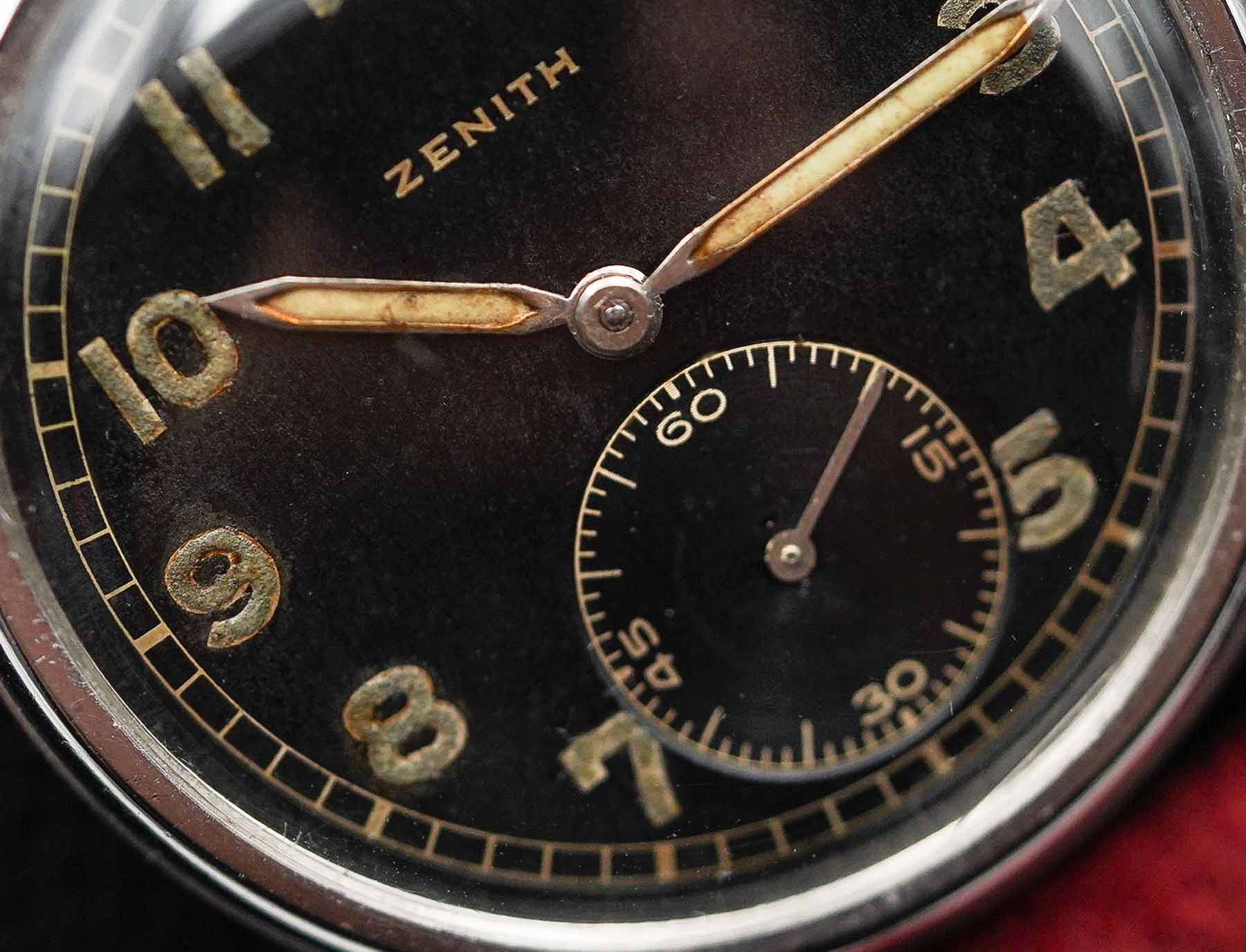
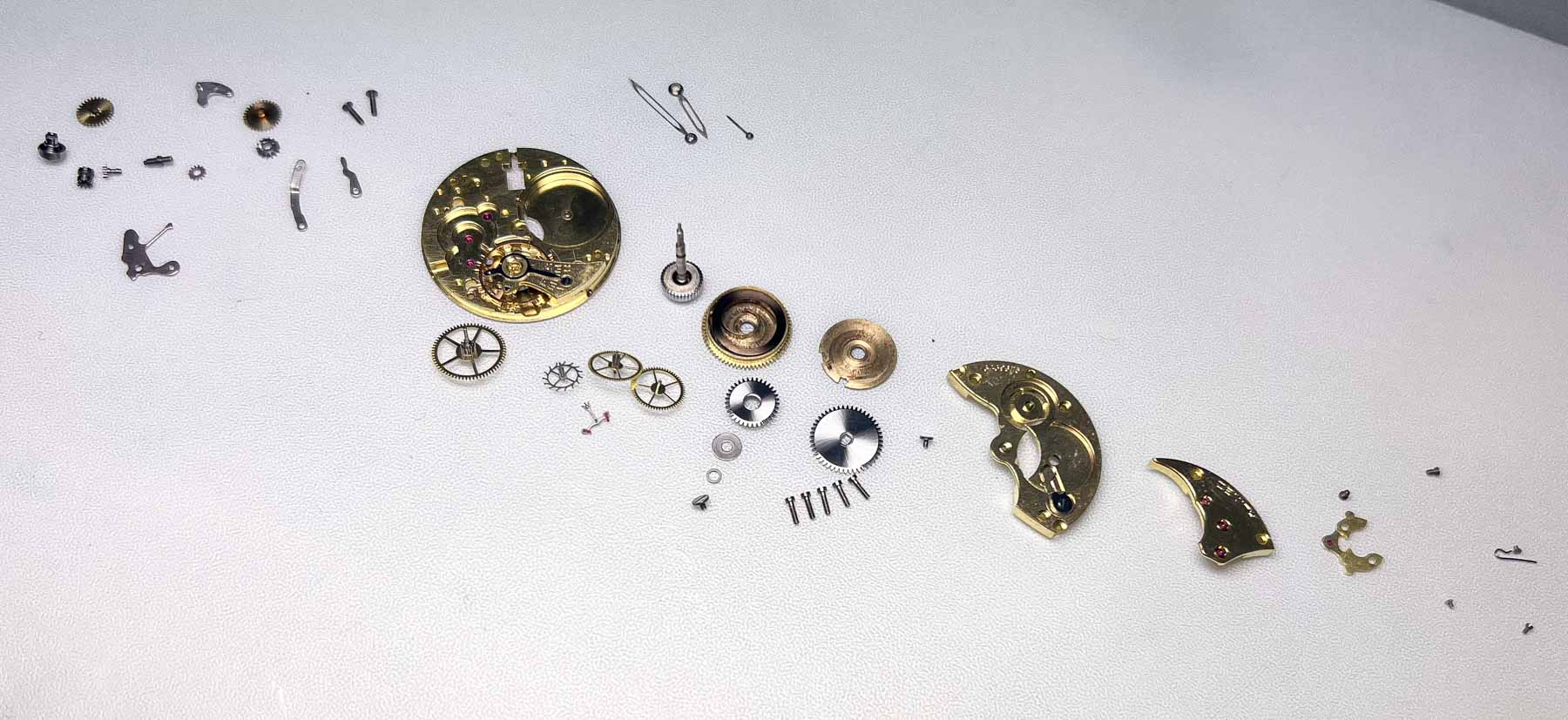
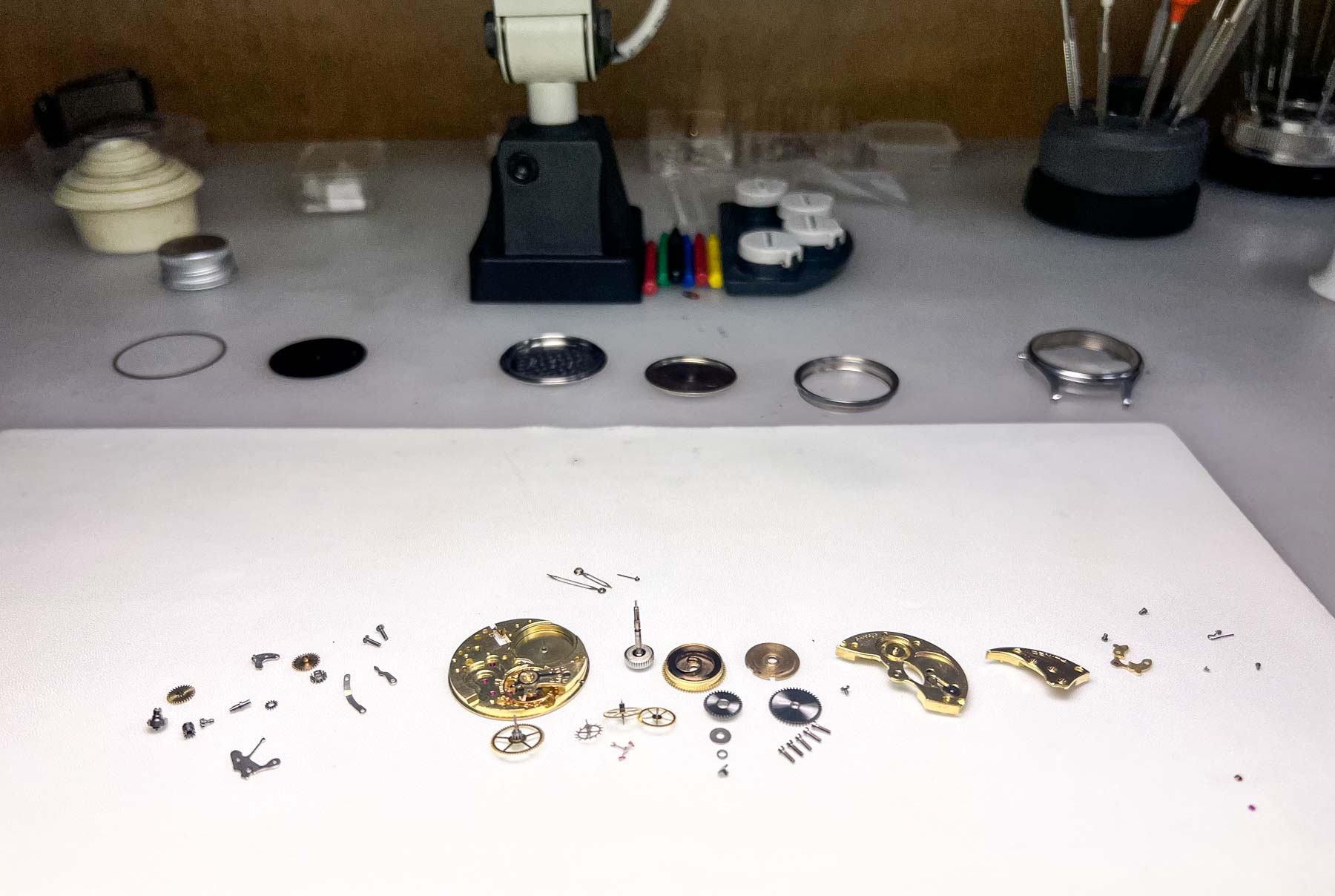
Although the watch was running with decent amplitude, I always service vintage pieces, regardless of what the seller claims. This way, I know exactly what’s inside and can trust the quality of the work. Once disassembled, the movement was in excellent condition—no rust, no broken parts, and not a single chewed screw. It’s honestly impressive that after nearly 80 years without a service, it still runs—and runs well. That’s a testament to the craftsmanship of the era. Compare that to today: even modern luxury watches like Audemars Piguet can leave the factory with issues, and I’ve seen multiple Rolexes only a few years old with severe amplitude drops that require warranty service. Not a great look.
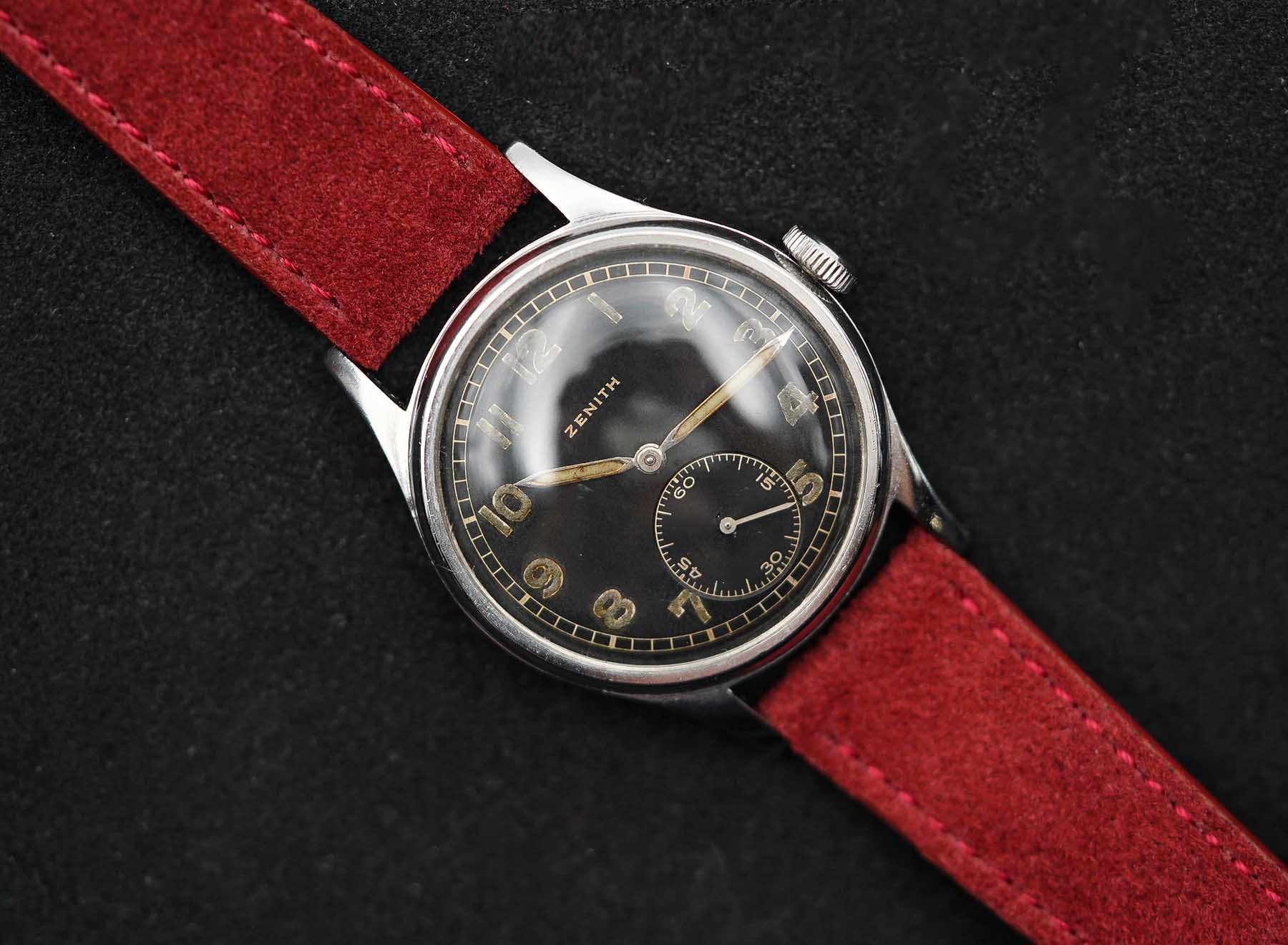
We decided to relume the hands, as the original radium was cracked and disintegrating (you vintage watch geeks are probably loosing your mind after reading this, but after the service and everything, I started to wear it and the radium lume just fell off the hands). I wanted to preserve the aesthetic, so we aged the new lume to match the dial, and now it looks great—and it’s legible in the dark, too. I paired it with a red, stitched suede strap, and in my opinion, it looks fantastic. On my 18cm wrist, the 35mm case does feel a bit small, but thanks to the long lugs, it wears closer to 37mm—probably the smallest watch I’d still can comfortably wear.
I never buy watches just because they’re a good deal or to flip for profit. I only buy what I truly like. But as it turns out, this little Zenith is currently valued around €1,400–1,700, which makes this a solid win. Still, this one’s not going anywhere—it’s staying in the collection for the long haul and who knows, maybe I will pass it down to my kid when I have one!
 KaminskyBlog