
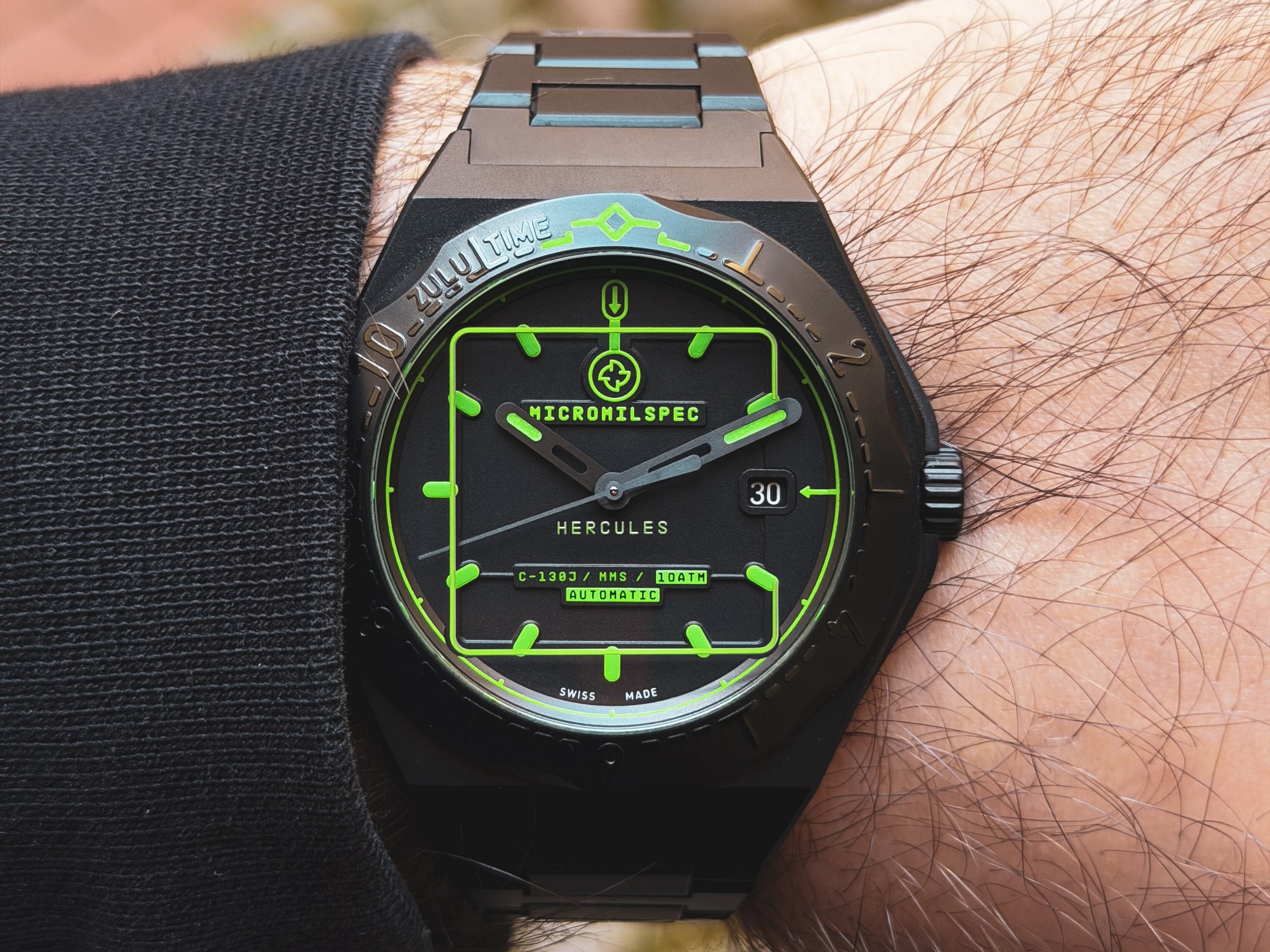
The watch industry has no shortage of brands claiming military heritage. Some borrow a vintage design from the 1940s, add a few tactical buzzwords, and call it a day. MICROMILSPEC takes a very different approach. Founded in Norway in 2019, MICROMILSPEC built its reputation not through marketing campaigns or celebrity ambassadors, but through producing custom watches for military units, special forces, first responders, law enforcement agencies, and government organizations. Many of these watches were never intended for public sale, and some remain exclusive to the units that commissioned them. The company’s focus has always been functionality first, with aesthetics following naturally from the mission requirements.
The Hercules is one of the rare occasions when civilians are invited into that world. Developed together with Norway’s 335 Squadron, the operators and custodians of the legendary Lockheed C-130J Hercules transport aircraft, the watch was designed to translate the aircraft’s cockpit environment into a mechanical wristwatch. MICROMILSPEC describes it as a “mechanical HUD display,” and after spending time wearing the watch, that description feels entirely justified rather than promotional. Few watches manage to translate their inspiration so directly into the finished product, but the Hercules genuinely captures the atmosphere of an aircraft cockpit in a way that feels both functional and distinctive.
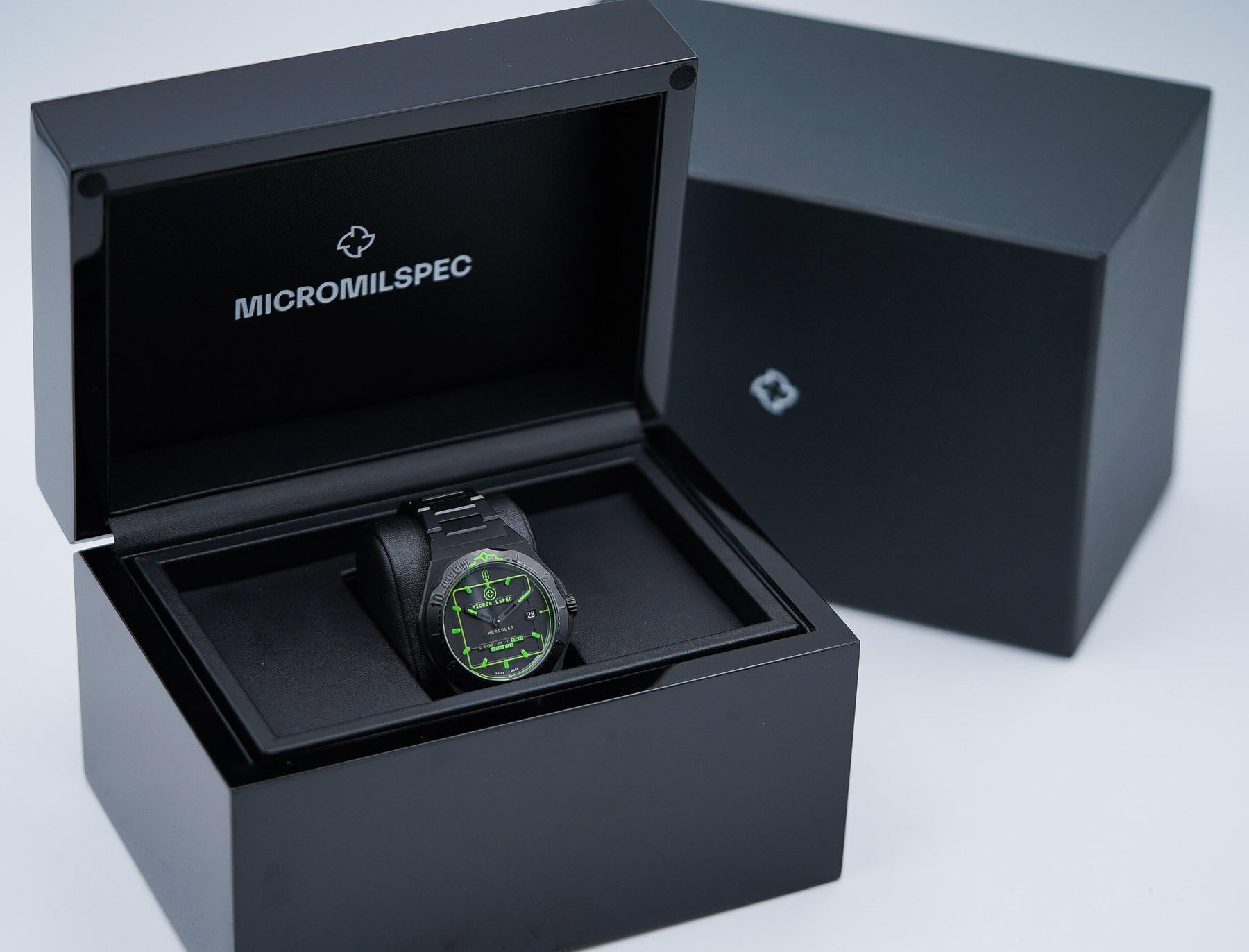
Priced at EUR 1,990 on the bracelet, the Hercules sits in one of the most competitive segments of the watch market. Buyers at this price point can choose from established Swiss manufacturers, respected German brands, and a growing number of ambitious microbrands. Yet after spending time with the Hercules, it quickly becomes clear that MICROMILSPEC is not attempting to compete through specifications alone. Instead, it offers something that is becoming increasingly rare in modern watchmaking: a genuinely original design backed by a legitimate military collaboration. What makes the watch particularly interesting is the fact that it wasn’t designed as a civilian lifestyle product first. The project began with the people who actually operate and maintain the Hercules aircraft, and that authenticity can be felt throughout the watch. Every component appears to have been considered through the lens of functionality rather than marketing. As a result, the Hercules manages to feel purposeful without becoming overly aggressive or tactical.
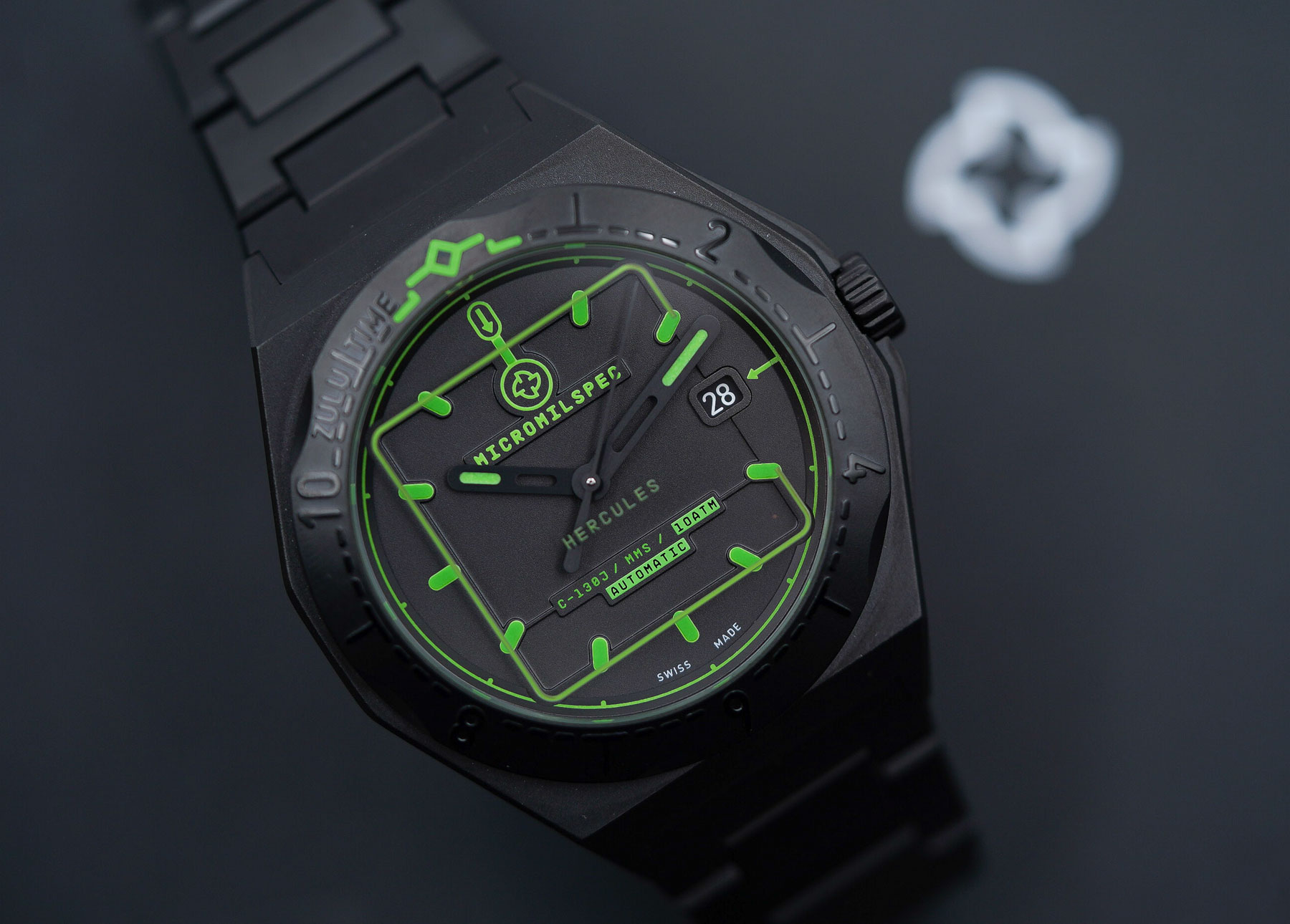
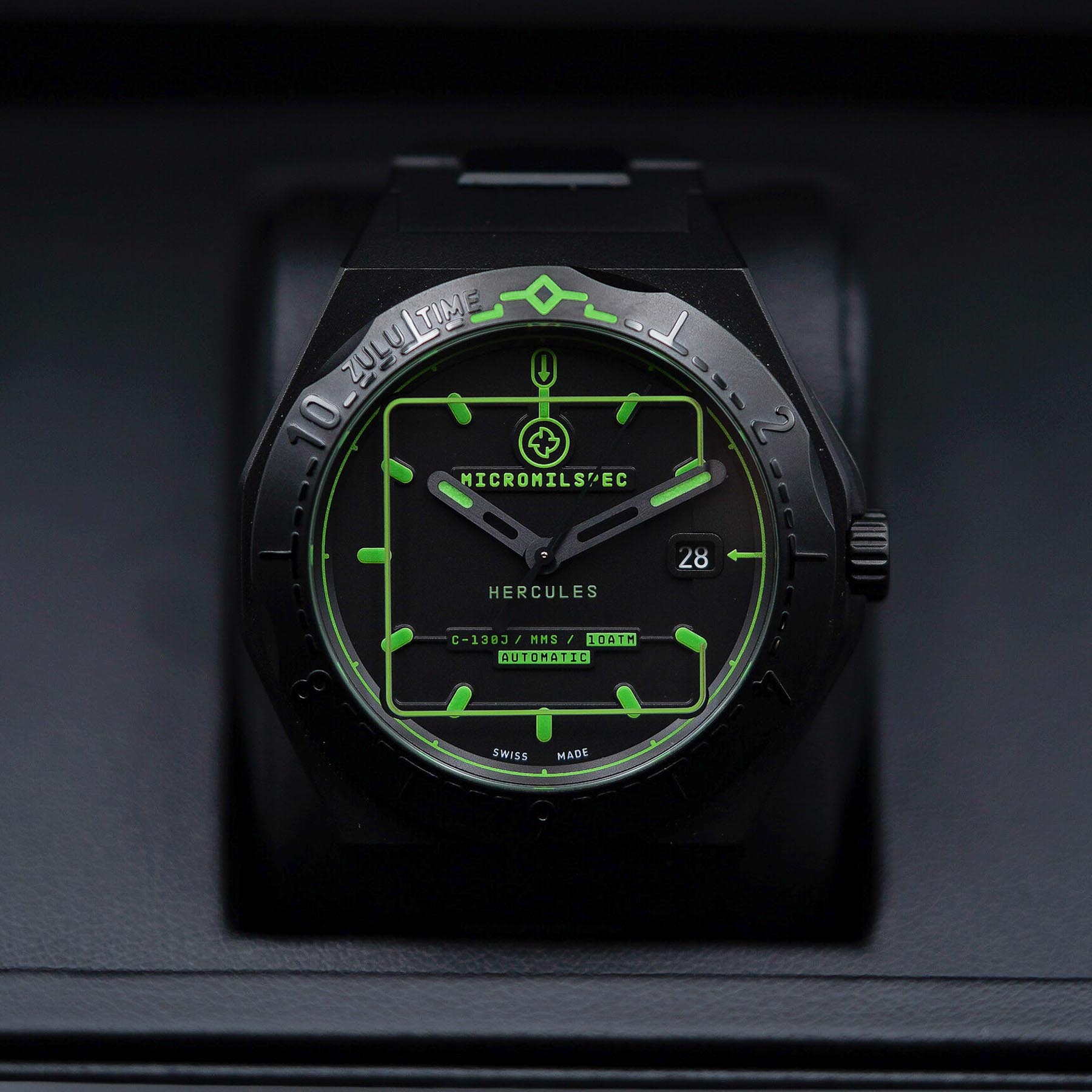
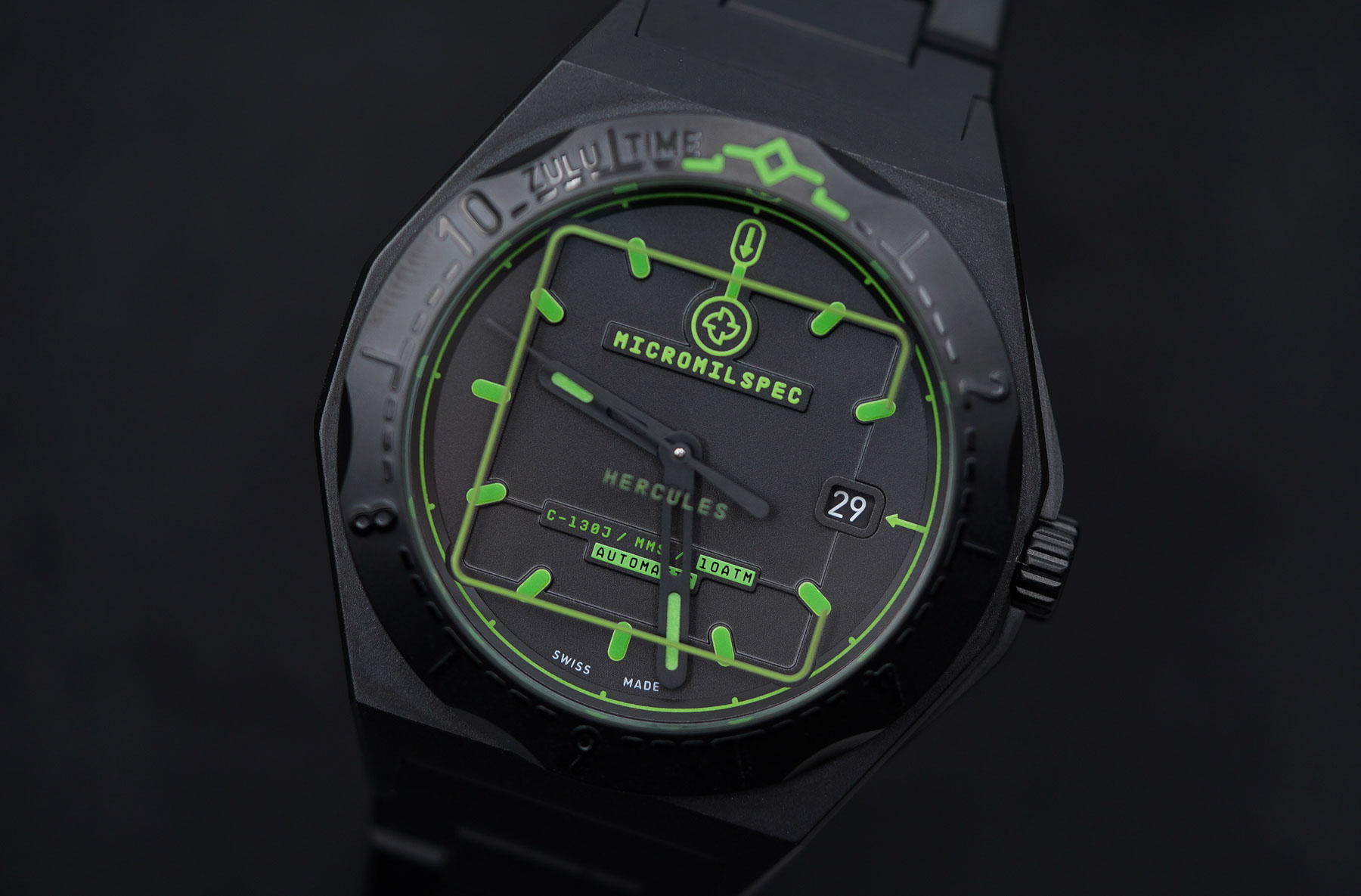
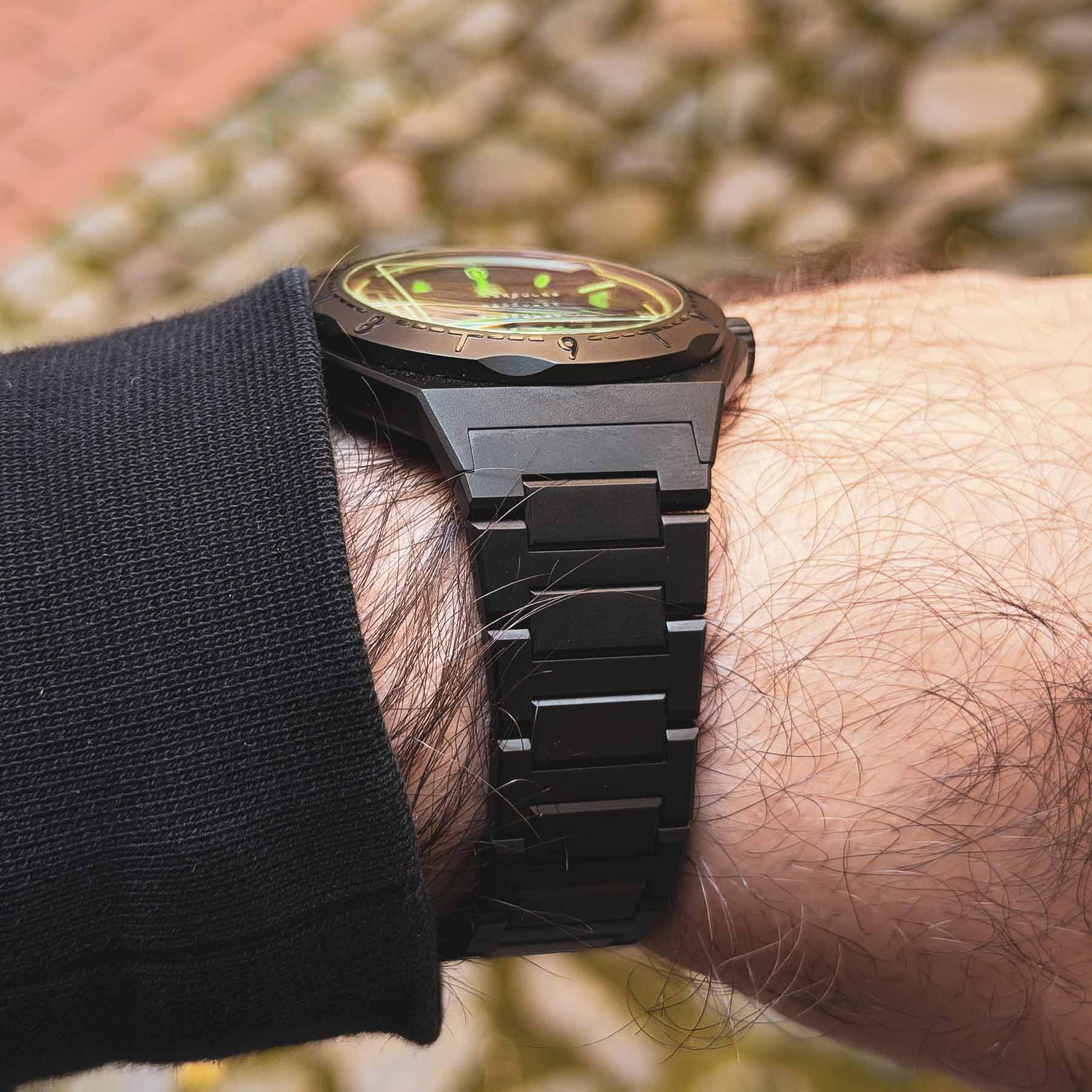
The first thing that strikes you about the Hercules is its case. At 42mm in diameter, approximately 12mm thick, and with a lug-to-lug measurement of 50,3mm, it is not a small watch. On paper those dimensions suggest something imposing, yet on the wrist it wears better than expected. The integrated bracelet and relatively compact lug-to-lug distance help distribute the watch evenly, preventing it from feeling top-heavy or cumbersome. The signature octagonal case immediately sets the Hercules apart from the crowd. In a market flooded with round pilot watches and derivative military designs, the Hercules feels refreshingly original. The shape is bold without being excessive, and the sharp lines create a distinctly modern appearance that perfectly suits the aviation inspiration.
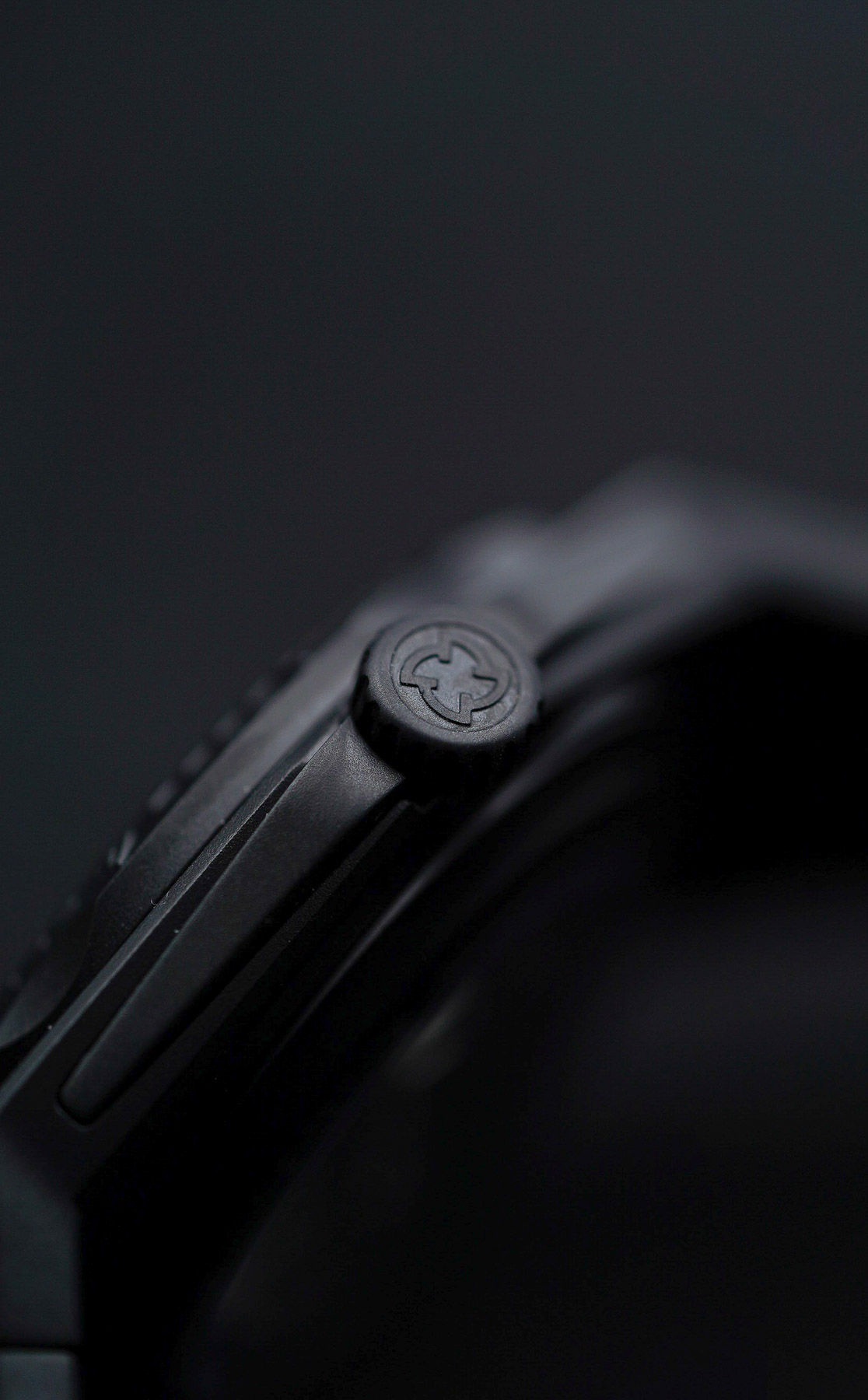
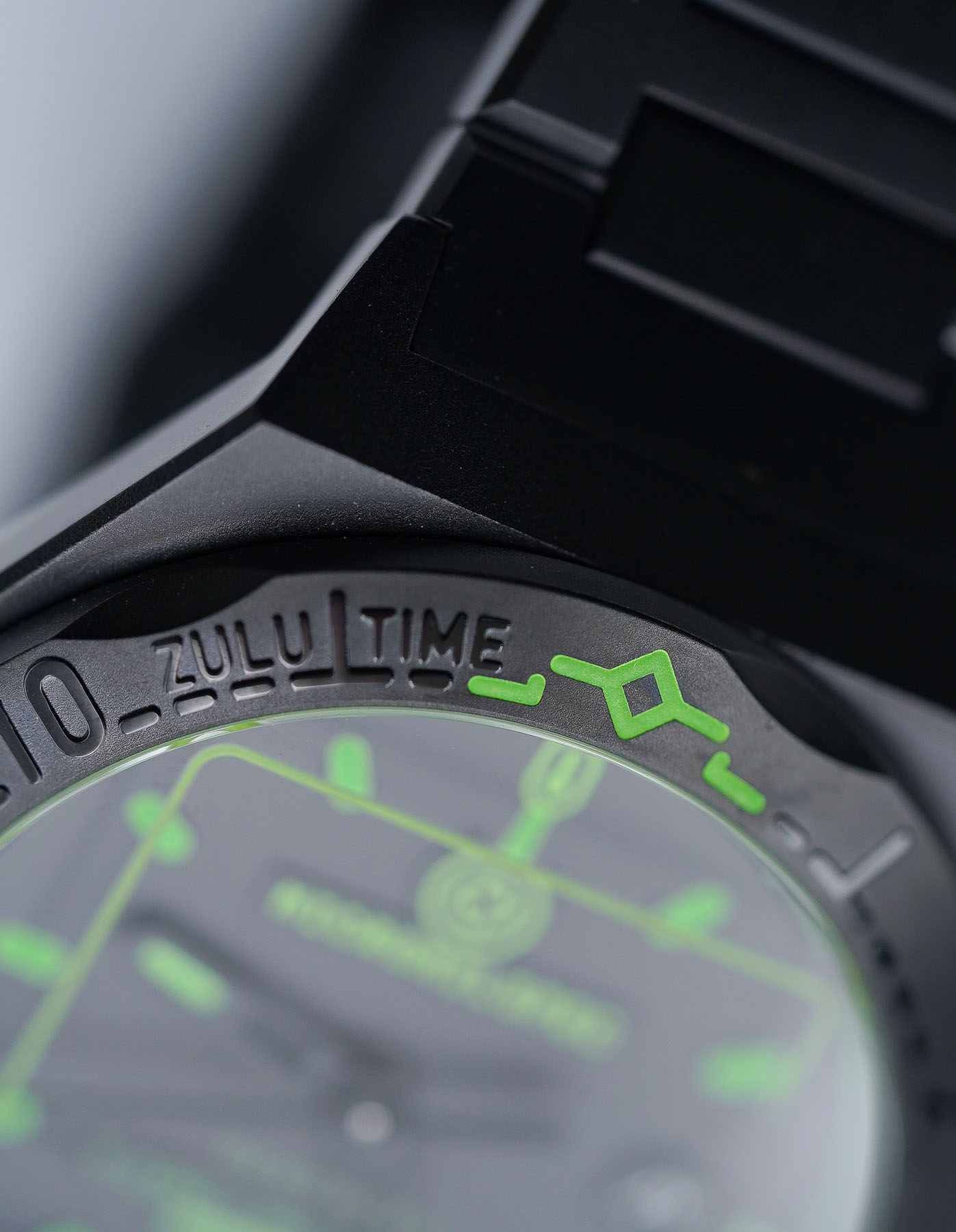
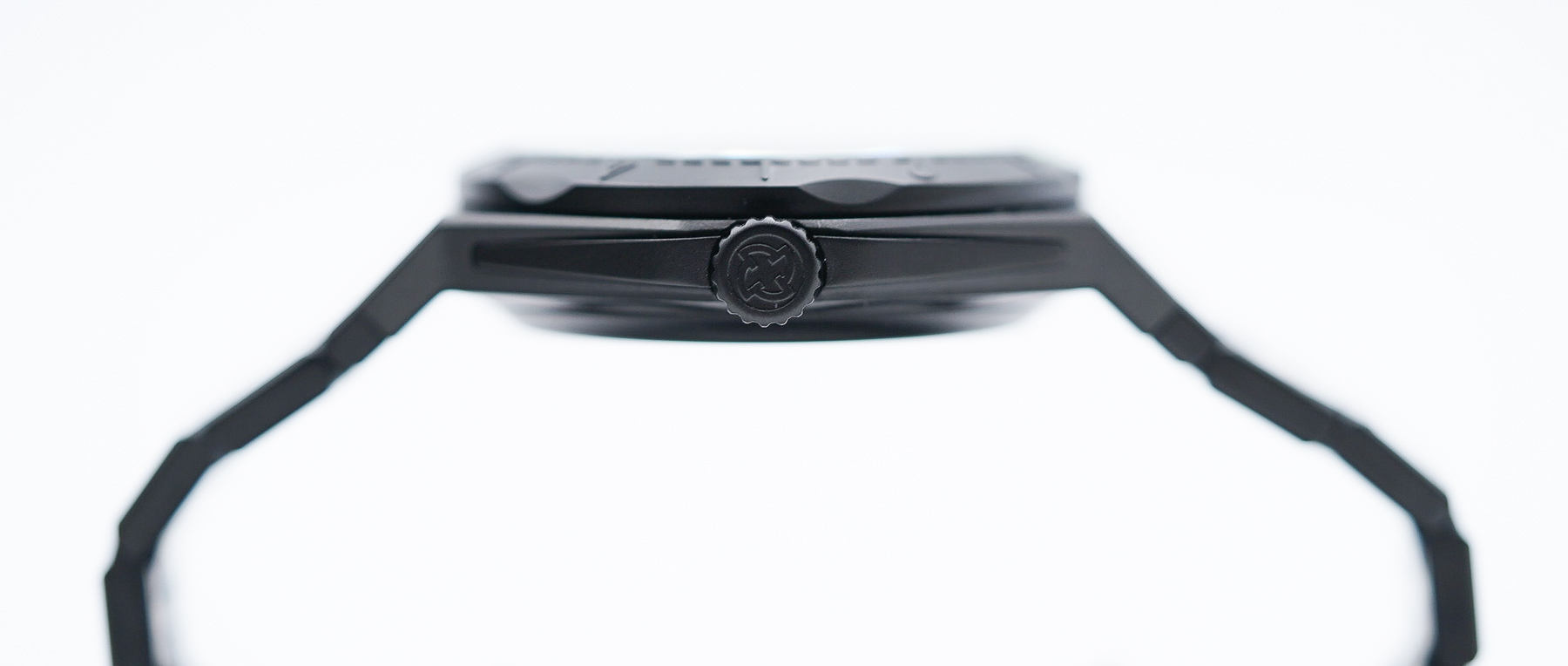
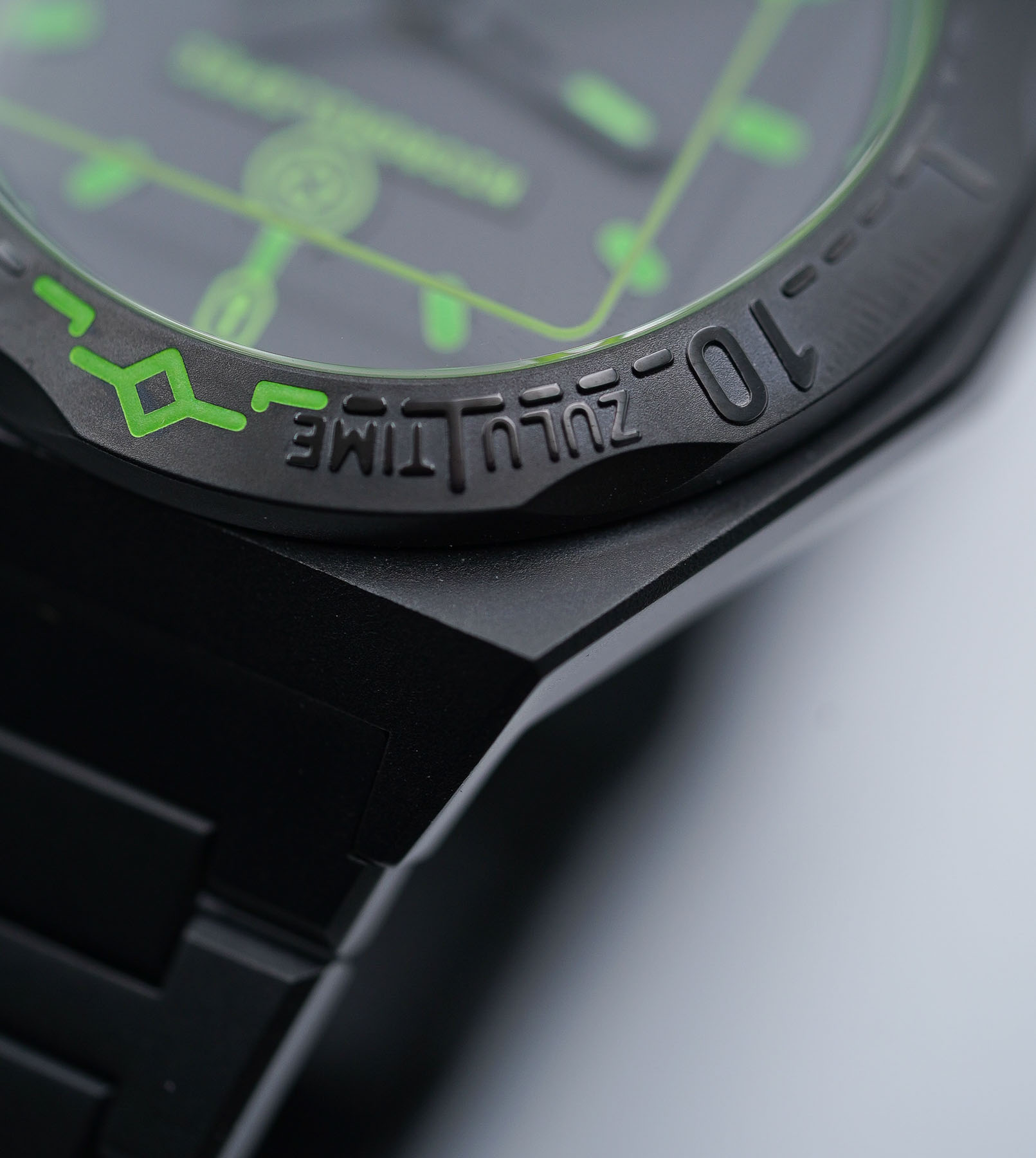
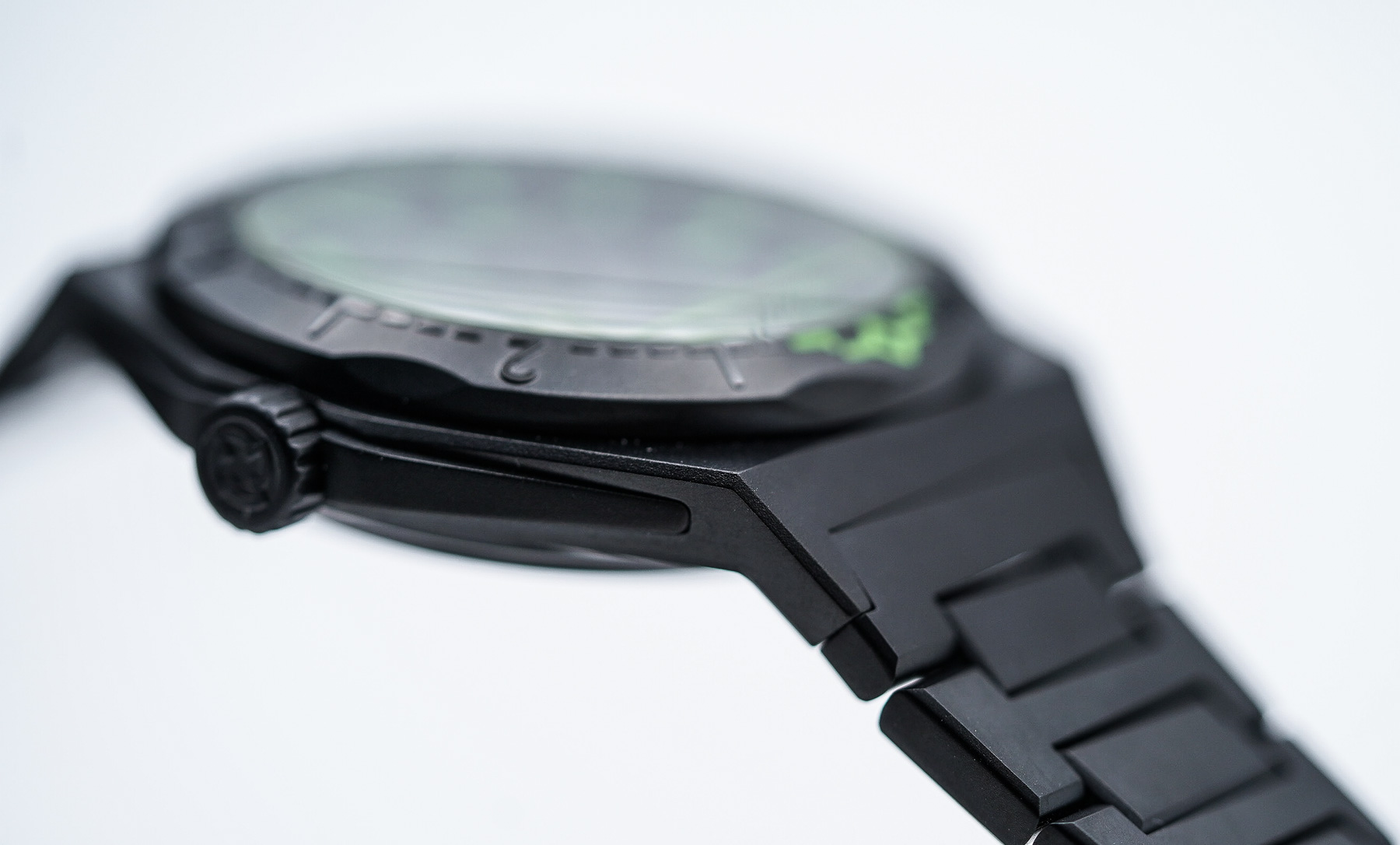
The case is crafted from 316L stainless steel and finished with a micro-blasted black PVD coating. The resulting appearance is stealthy, matte, and almost completely devoid of reflections. It looks less like a piece of jewellery and more like a piece of professional equipment. The finish works exceptionally well with the overall concept, reinforcing the military character without appearing forced. One detail that deserves praise is the crown guard design. Rather than simply adding protective shoulders around the screw-down crown, MICROMILSPEC has carefully integrated the guards into the shape of the case itself. The result is both visually pleasing and genuinely comfortable. Even during extended wear, the crown never digs into the wrist, something that cannot be said about many larger tool watches. The bezel is equally impressive. Its deep engravings and purposeful design contribute to the rugged character of the watch, while its operation feels precise and reassuring. Unlike many bezels that exist primarily for aesthetic reasons, the Hercules’ bezel feels like a functional component of the overall design.
My only reservation concerns the coating itself. Personally, PVD-coated watches have never been my favourites. Not because they don’t look fantastic when new—they absolutely do—but because extensive use eventually leaves visible wear marks that can be difficult to ignore. Some collectors appreciate the character that develops over time, while others prefer the graceful ageing of bare steel. The Hercules certainly looks outstanding in black, but buyers should understand that years of hard use will inevitably leave their mark. That said, the execution here is excellent, and the stealthy finish is such an integral part of the watch’s identity that it is difficult to imagine the Hercules looking as convincing in any other form.
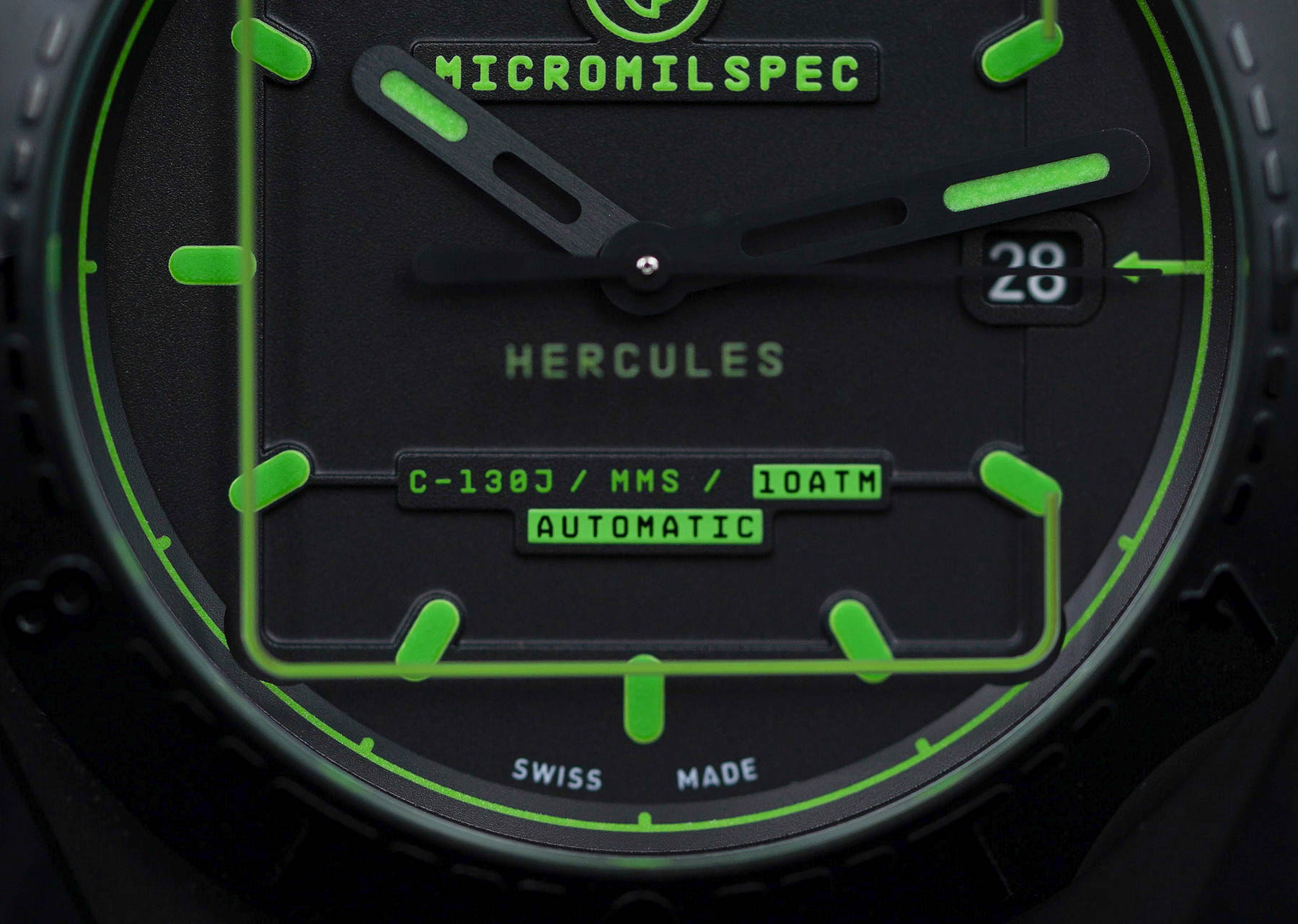
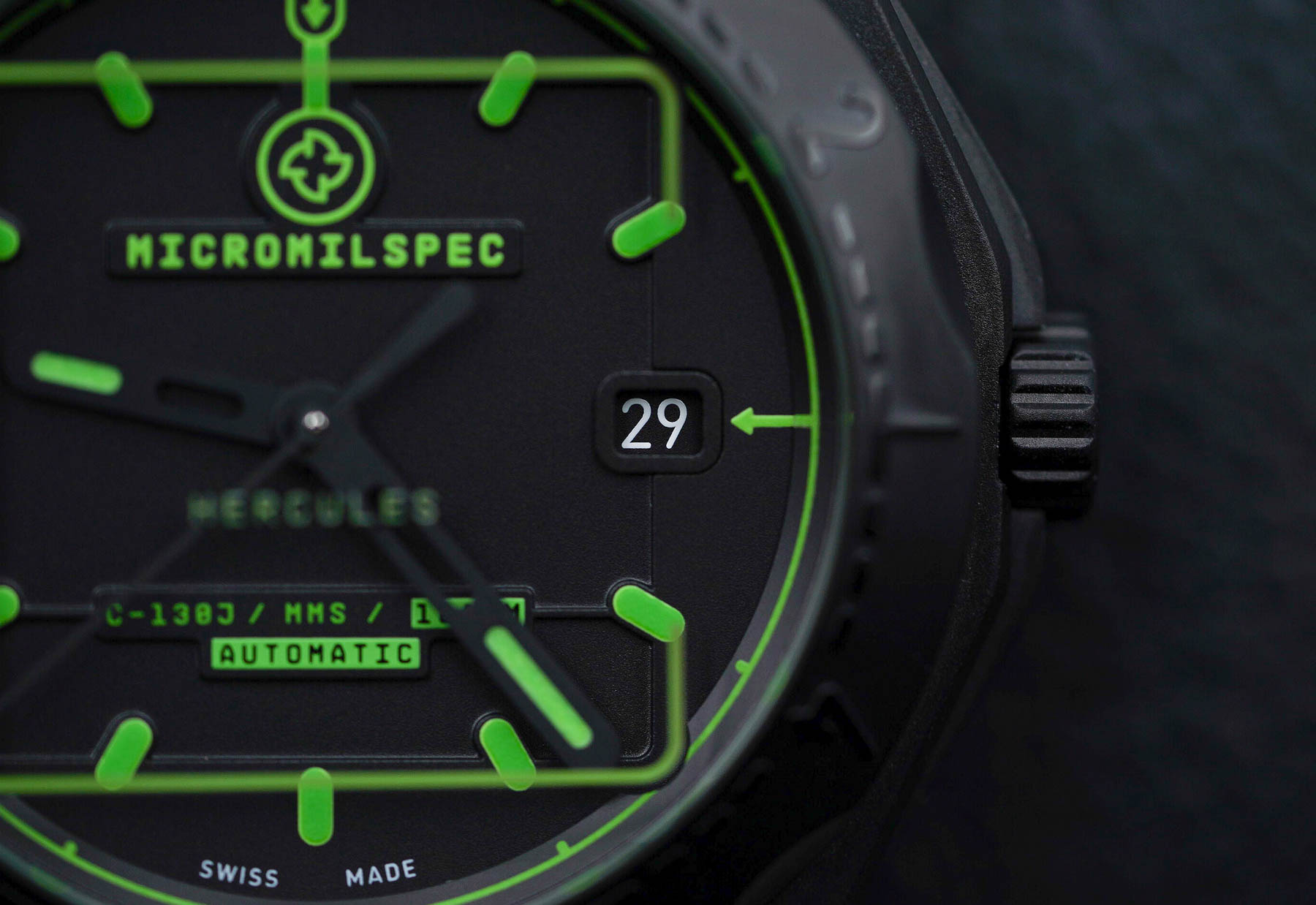
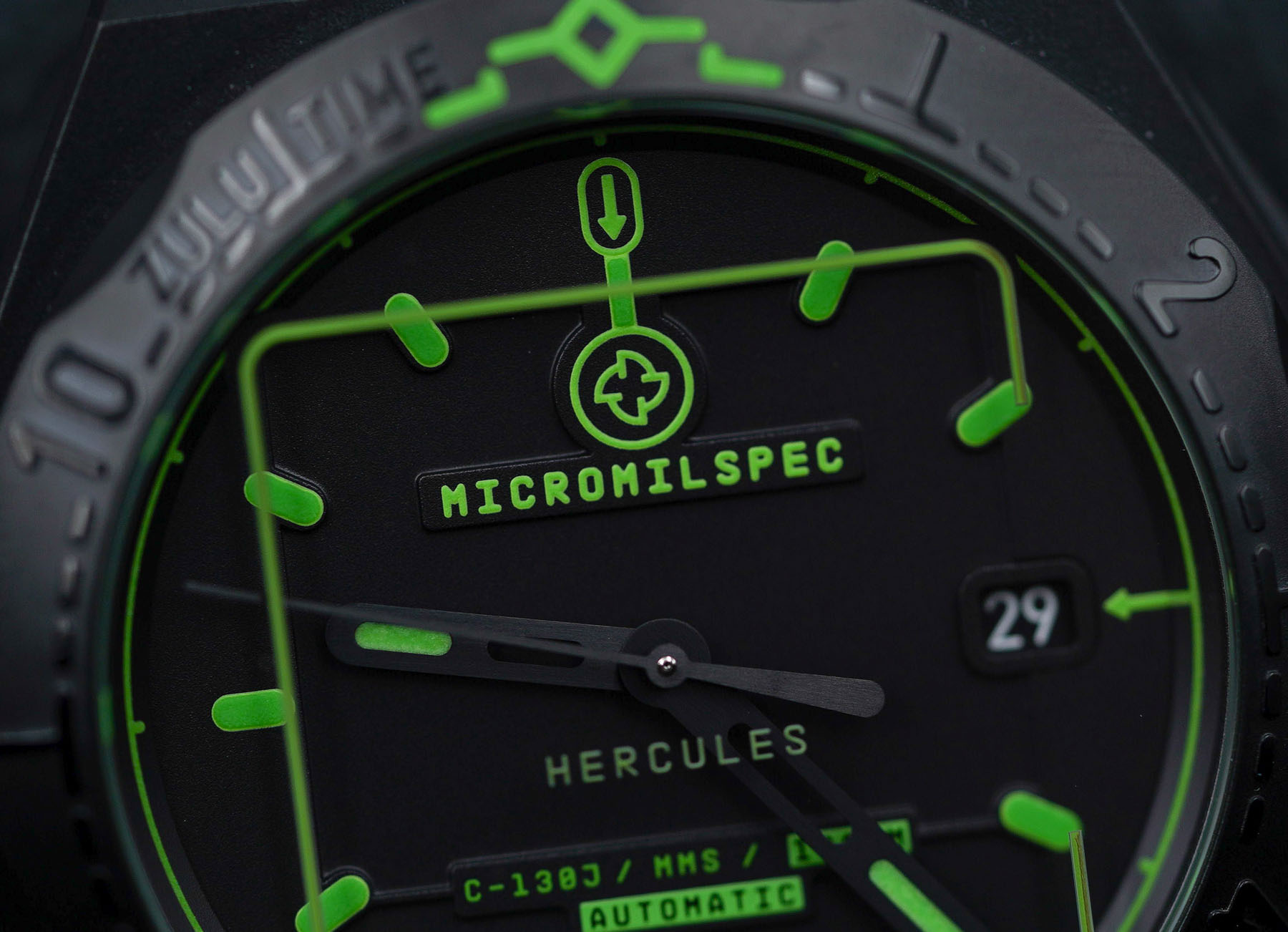
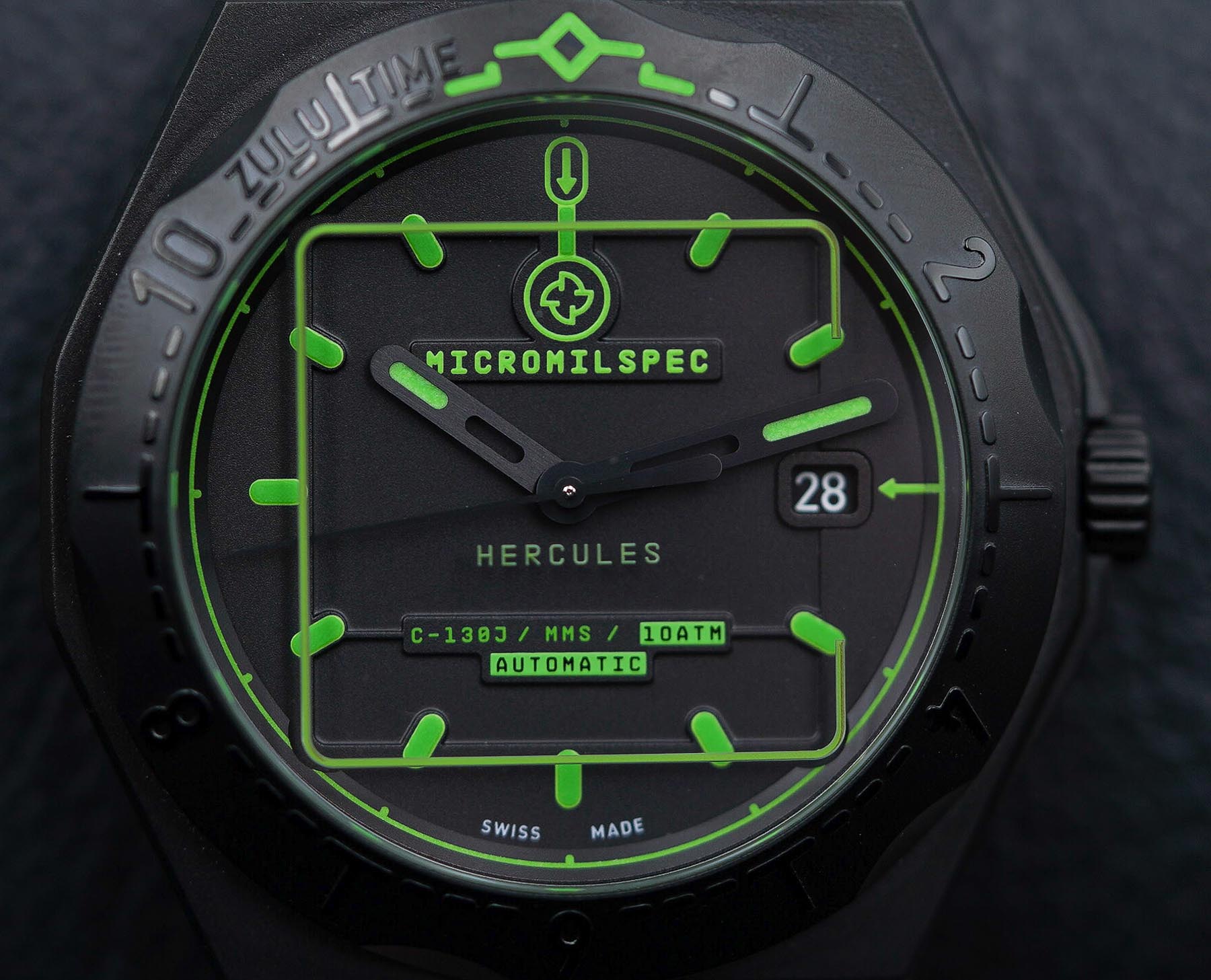
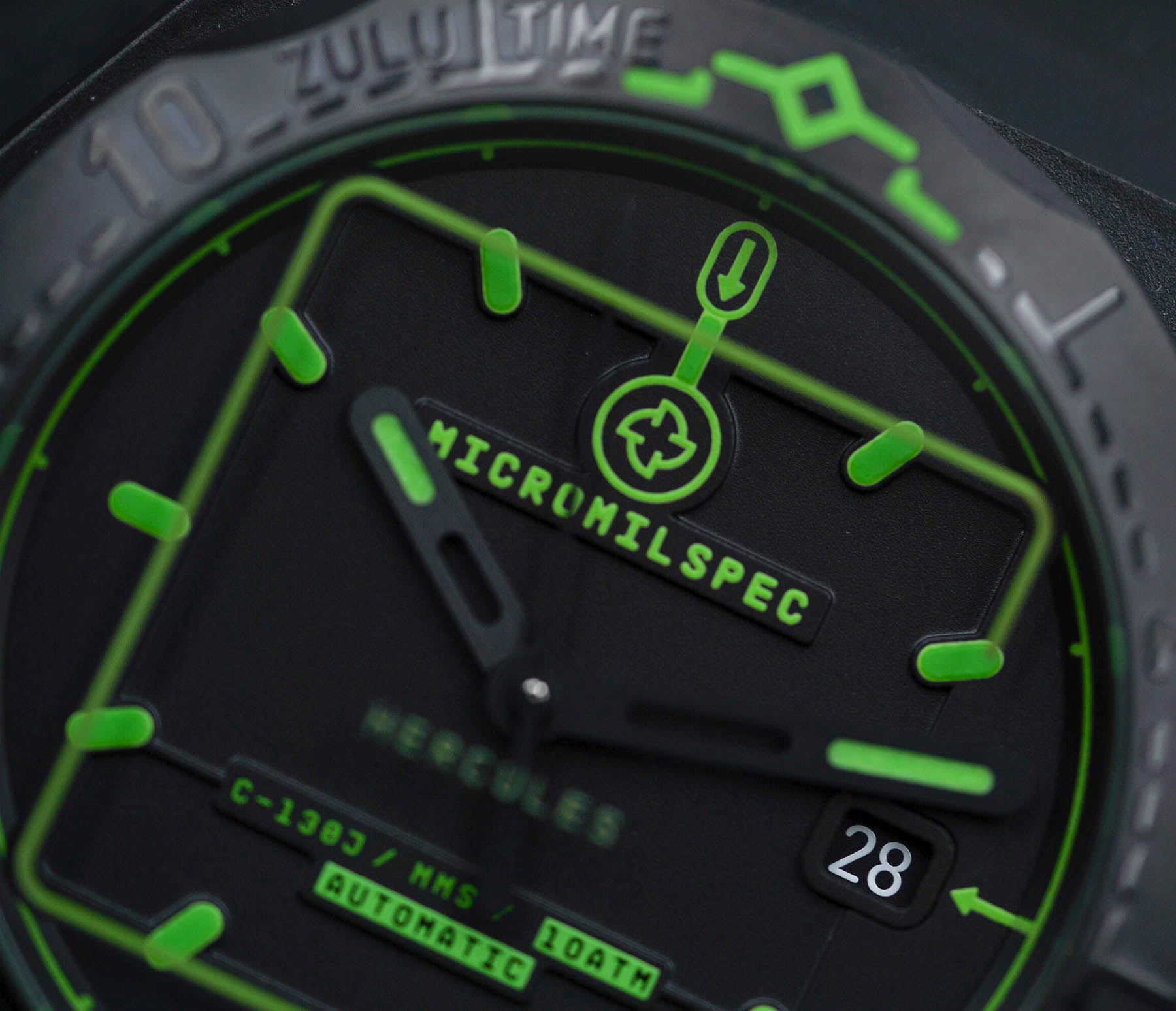
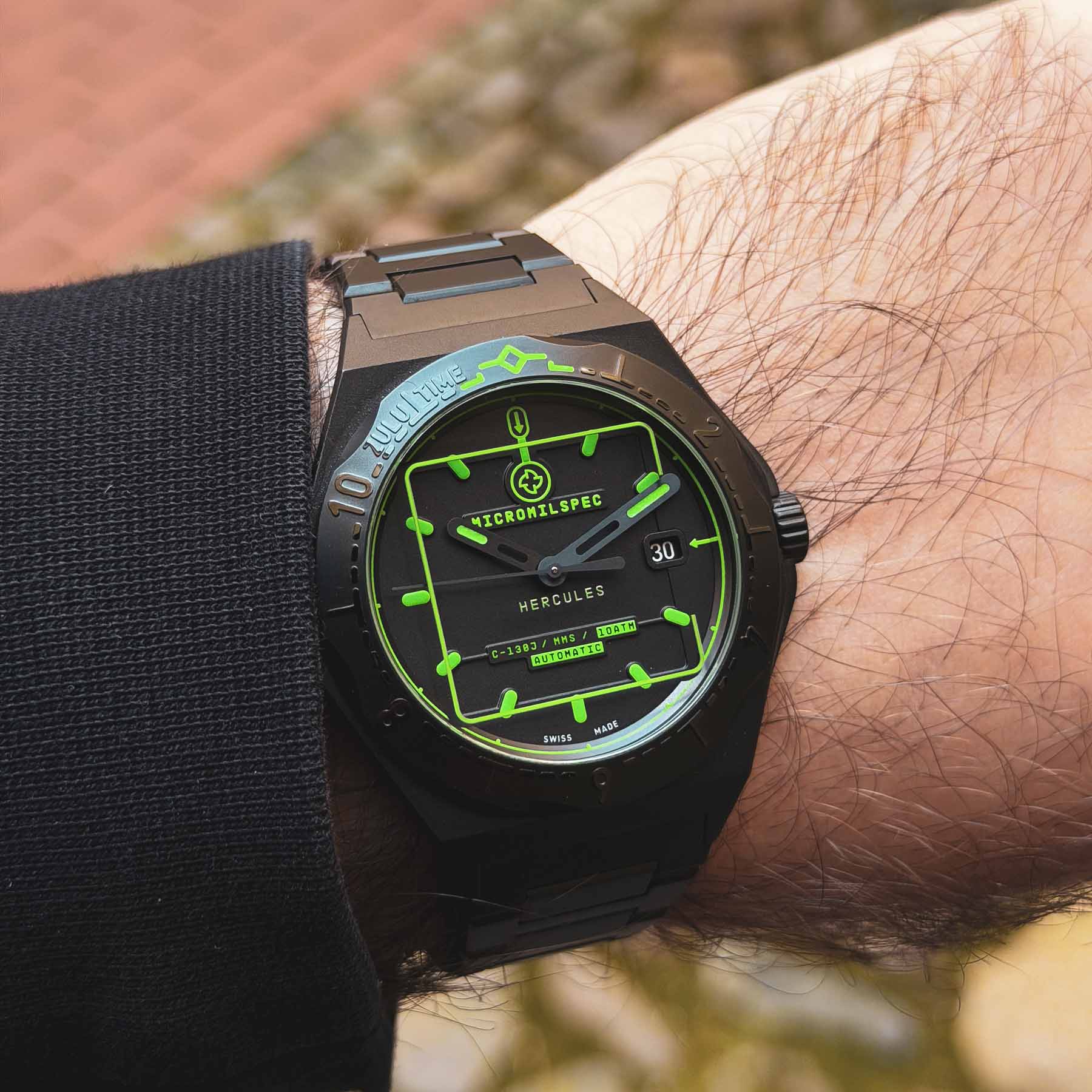
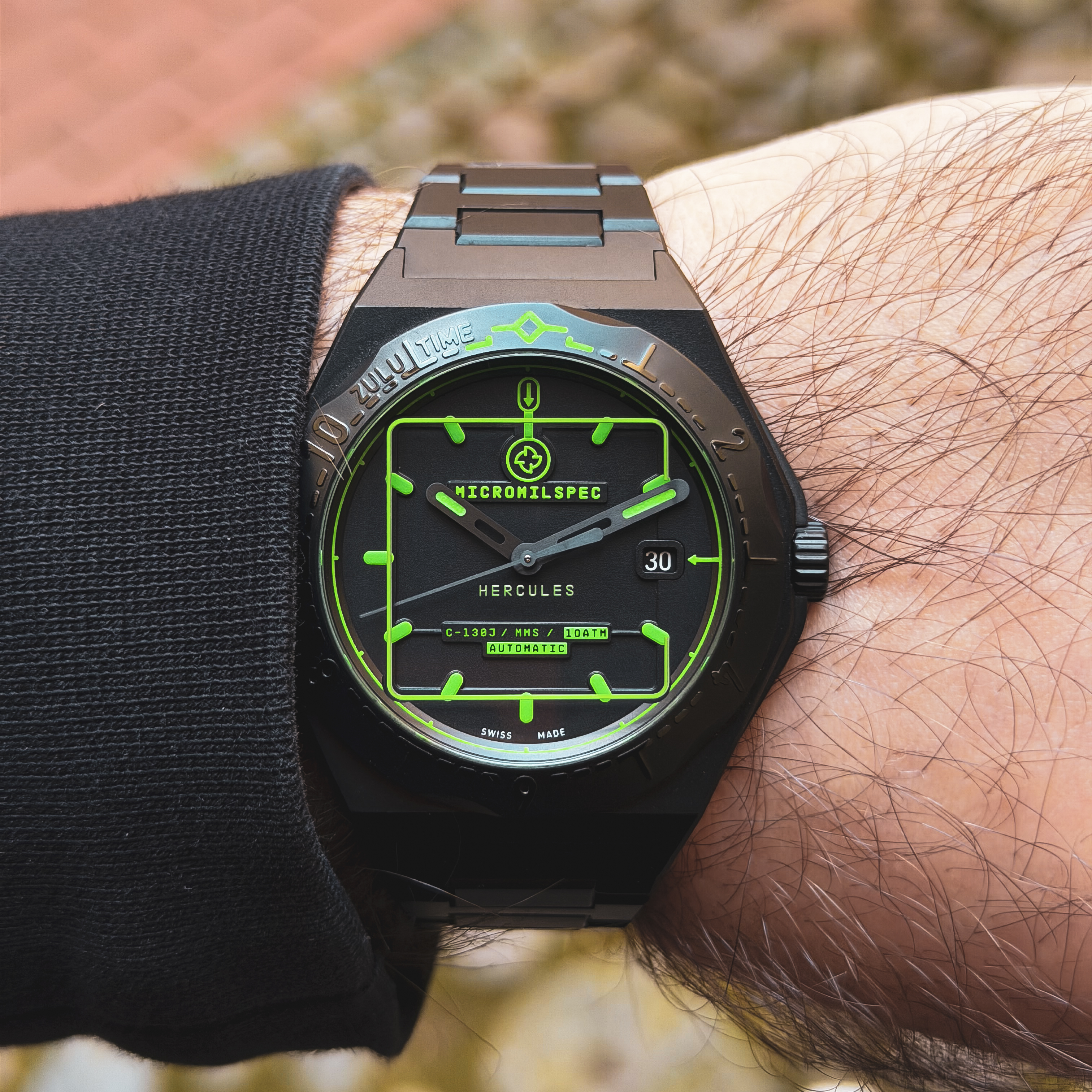
If the case initially attracts your attention, the dial is what ultimately sells the watch. Simply put, this is one of the most interesting and distinctive dial designs currently available under €2,000. The inspiration comes directly from the instrumentation of the C-130J Hercules cockpit, and unlike many aviation watches that merely borrow a few visual cues, the Hercules genuinely captures the feeling of looking at aircraft systems. The matte black sandwich dial serves as the foundation, but it is the layered architecture that transforms the watch into something special. Multiple levels, cut-outs, recesses, and luminous elements combine to create an extraordinary sense of depth.
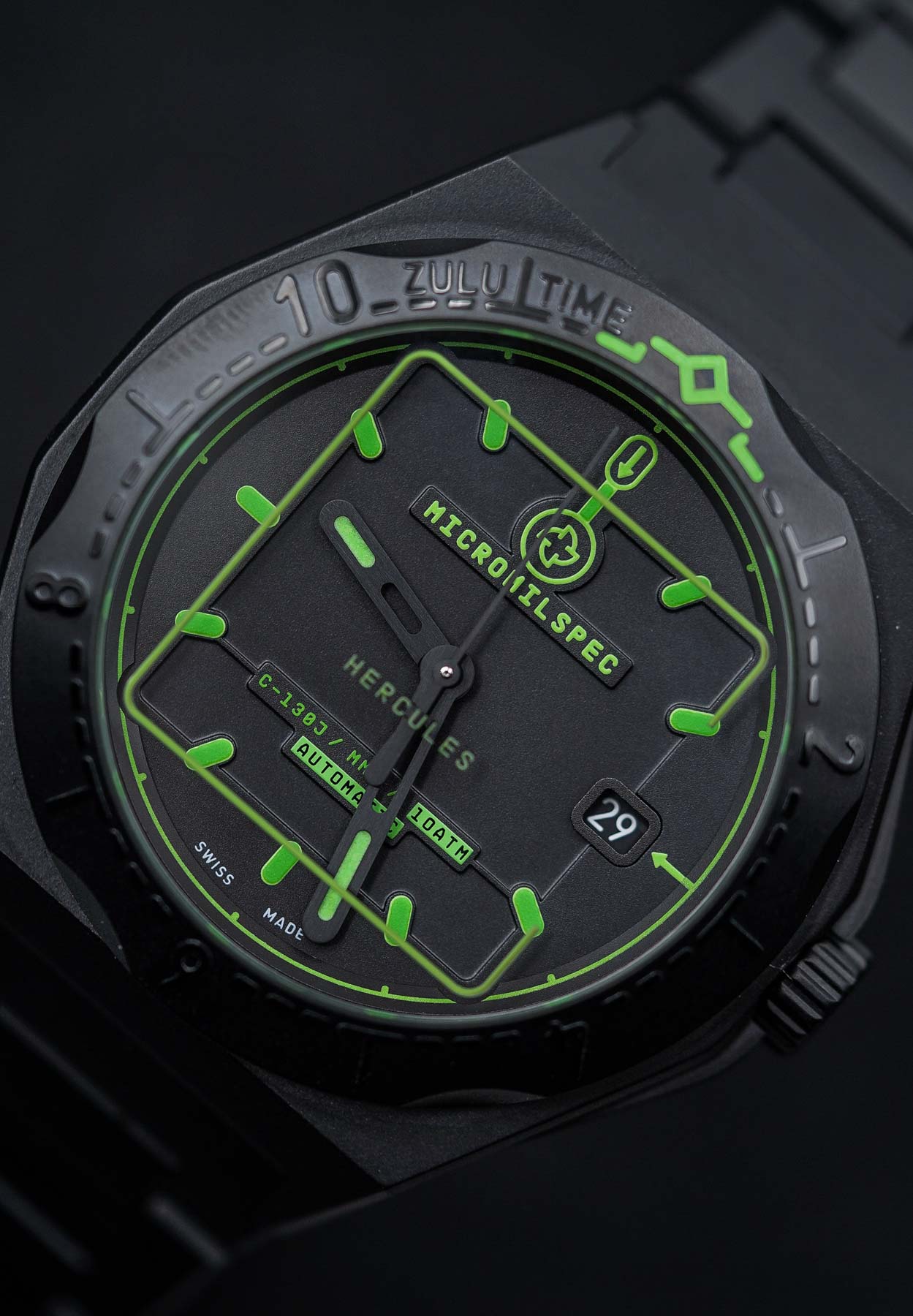
Large markers filled with Super-LumiNova X1 ensure excellent legibility, while the skeletonized hands prevent the display from feeling cluttered. Despite the complexity of the design, reading the time remains effortless. This balance between visual interest and functionality is surprisingly difficult to achieve, yet MICROMILSPEC manages it exceptionally well. However, the most fascinating element isn’t actually on the dial at all. It is on the sapphire crystal. MICROMILSPEC has integrated luminous green graphics directly into the crystal itself, creating a third visual layer suspended above the dial. Combined with the sandwich construction beneath, the effect resembles a military aircraft’s heads-up display. Looking through the crystal, the various layers create a remarkable sense of depth that is genuinely difficult to compare to anything else in this price category. The display constantly changes depending on the angle and lighting, making the watch feel dynamic and alive throughout the day.
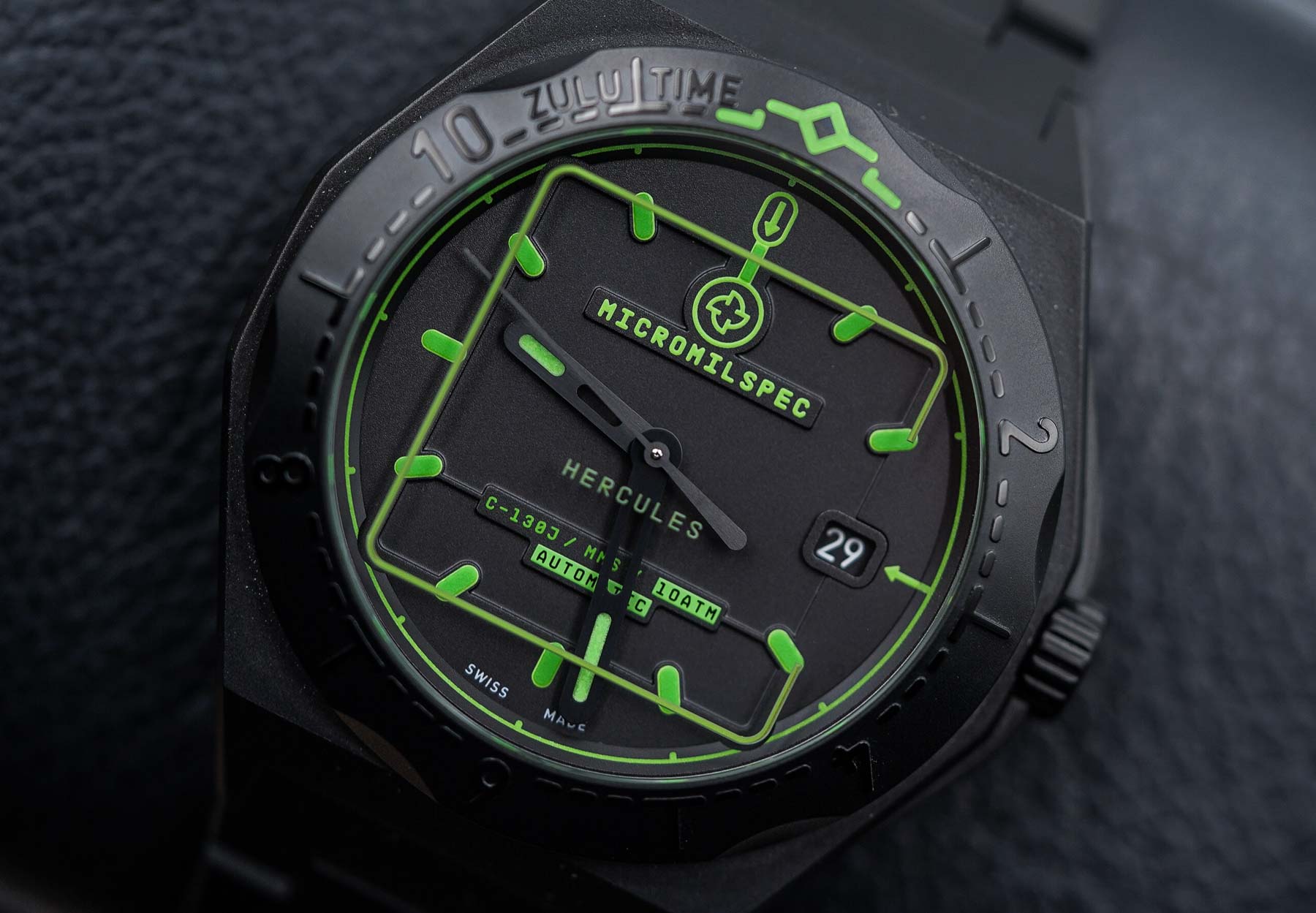
What makes the concept so successful is the way the different layers interact during everyday wear. The luminous square frame appears suspended above the dial, while the outer green ring and cockpit-inspired graphics seem to float independently. Rather than feeling gimmicky, these elements work together to create a convincing instrument-panel effect that immediately sets the Hercules apart from more conventional aviation watches. The date window at three o’clock deserves credit as well. Date displays often feel like afterthoughts on highly designed dials, but here it integrates naturally into the layout without disrupting symmetry or legibility. Perhaps even more impressive is the restraint shown by the designers. It would have been easy to overload the dial with military insignias, squadron logos, or aviation references. Instead, MICROMILSPEC has kept the design clean and purposeful. Every element appears to serve a function, and nothing feels unnecessary. When darkness falls, the Hercules becomes even more impressive. The combination of luminous hands, markers, bezel details, and crystal graphics creates a dramatic display that perfectly reflects the green glow of aircraft instrumentation. It is one of the few watches where the lume feels like an essential design element rather than a specification added for marketing purposes.
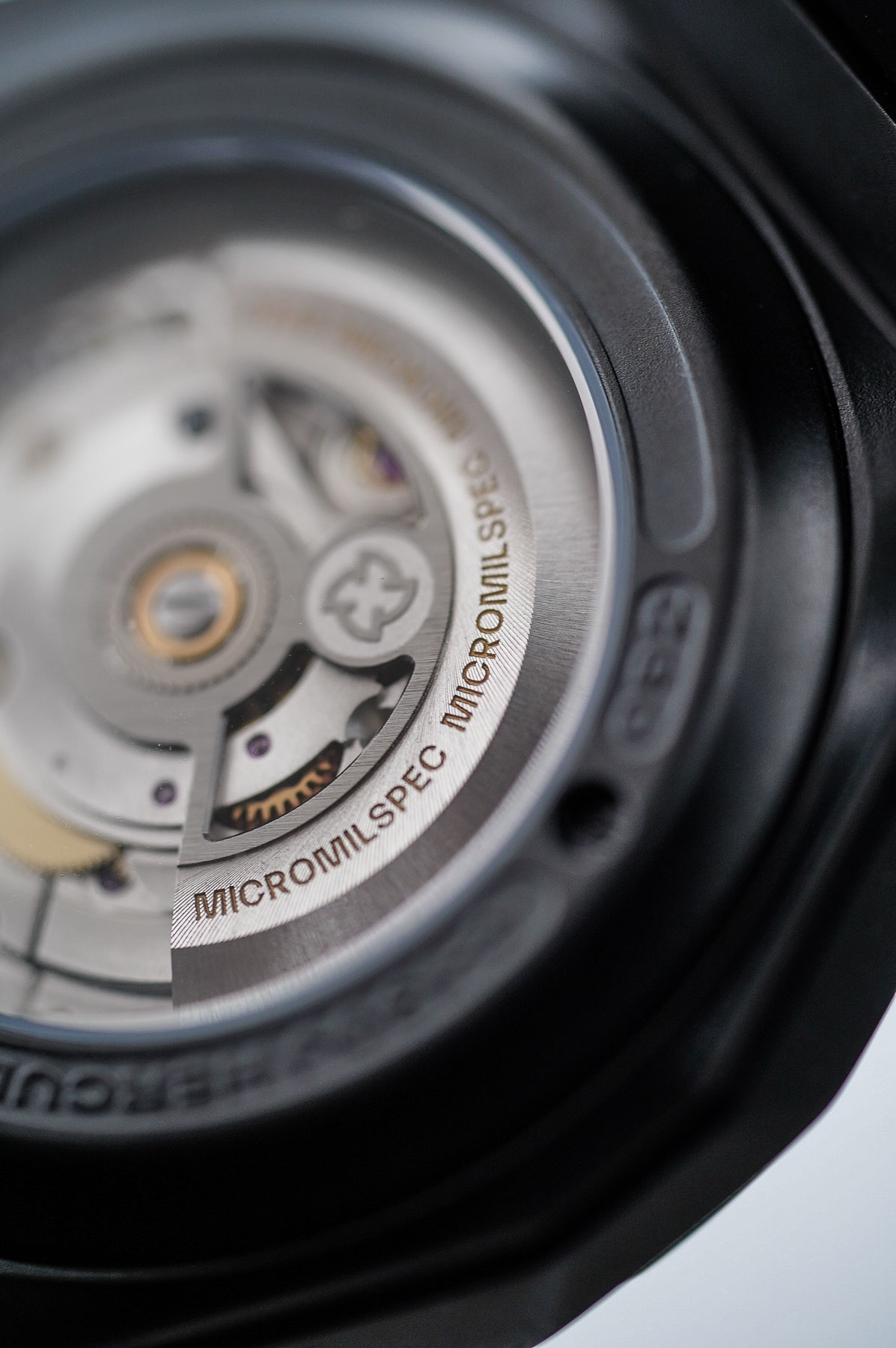
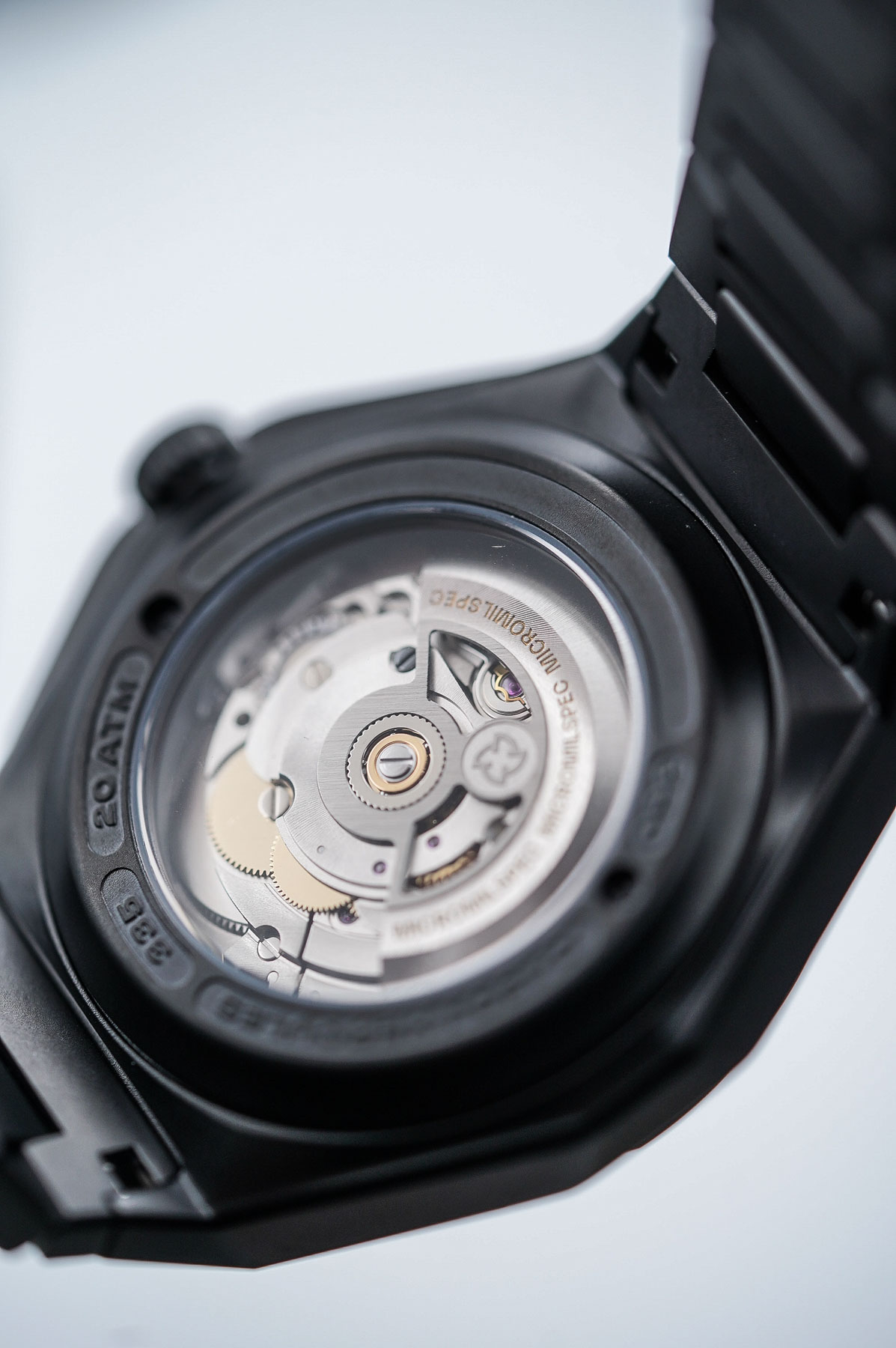
Turning the watch over reveals a sapphire display caseback and a familiar sight: the Sellita SW200-1. For some enthusiasts, this may not sound particularly exciting. After all, the SW200 is one of the most widely used automatic movements in the industry. Yet within the context of the Hercules, it feels like exactly the right choice. The Swiss-made Sellita SW200-1 Special Elaboré beats at 28,800 vibrations per hour, utilizes 26 jewels, and provides a power reserve of approximately 38 hours. MICROMILSPEC also equips the movement with its own customized rotor, adding a subtle touch of individuality to an otherwise familiar calibre. Could the brand have selected something more exotic? Certainly. Would it have made the watch better? Probably not.
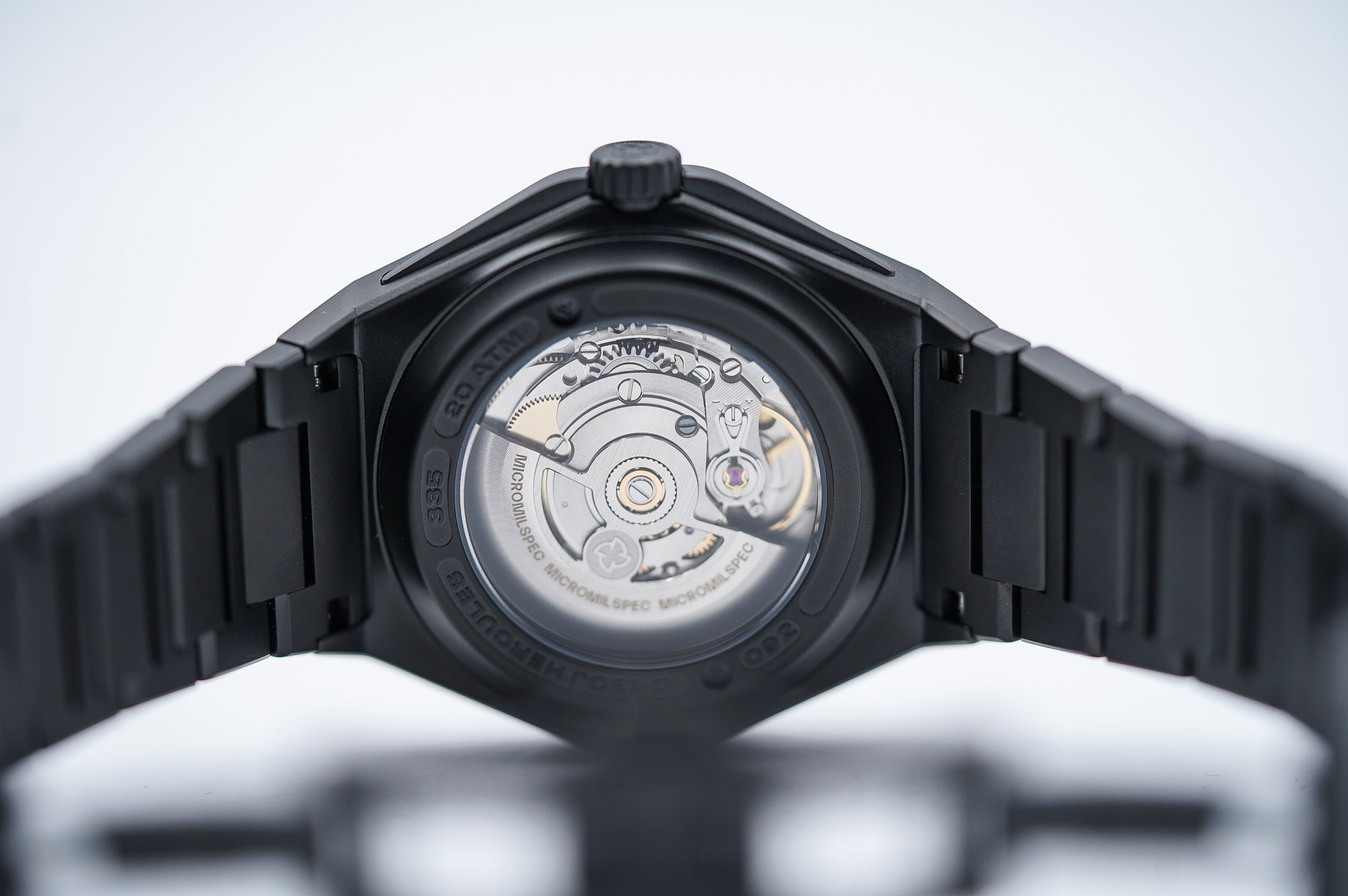
The Hercules is fundamentally a tool watch. Reliability, durability, serviceability, and availability of spare parts matter more than technical showmanship. The SW200 has proven itself countless times over the years and can be serviced virtually anywhere in the world. That practical approach aligns perfectly with the philosophy behind the watch. The movement finishing is straightforward and industrial rather than decorative, but that feels entirely appropriate. The Hercules isn’t attempting to compete with haute horlogerie. Instead, it focuses on delivering dependable performance day after day, exactly as a military-inspired tool watch should.
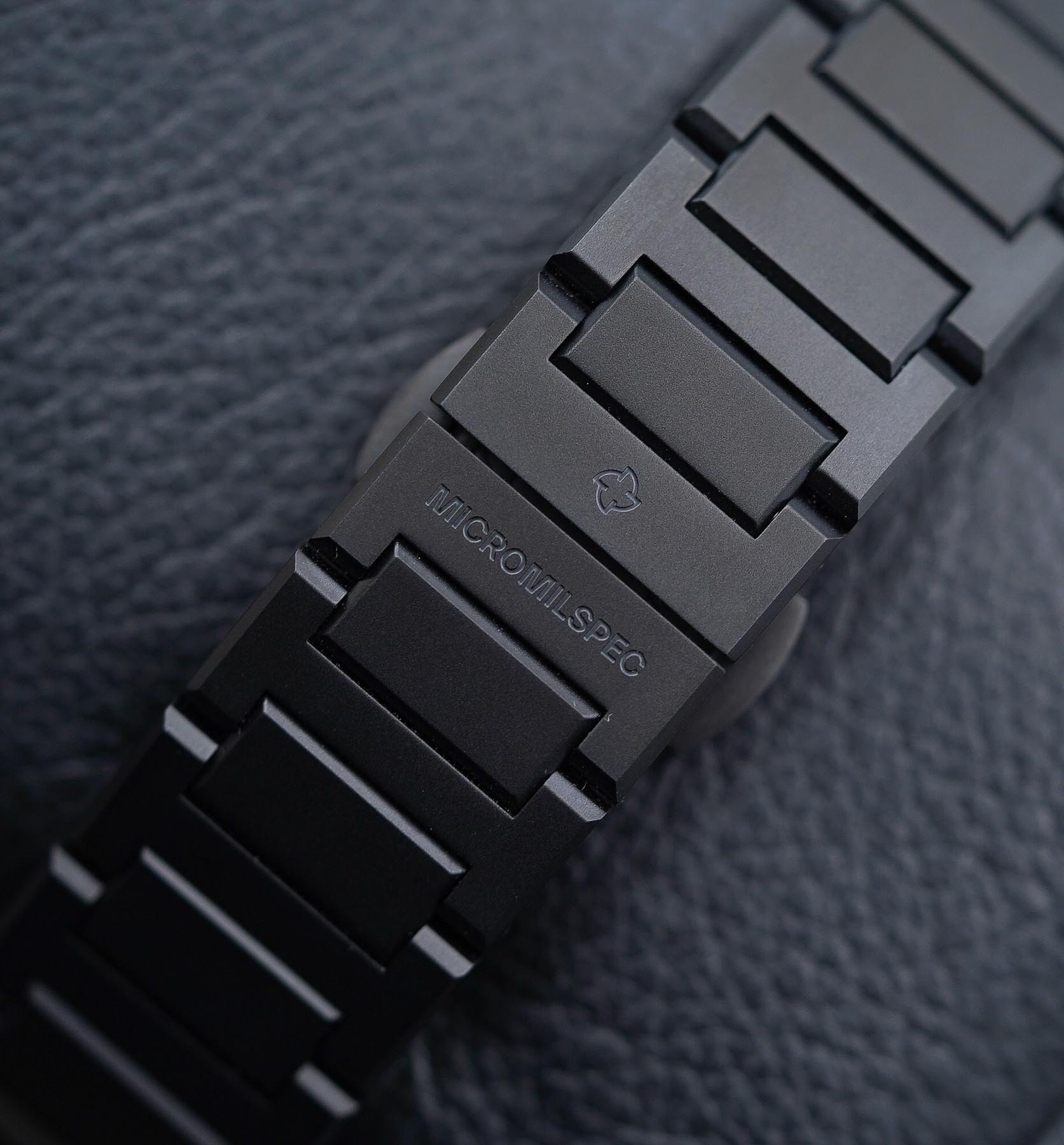
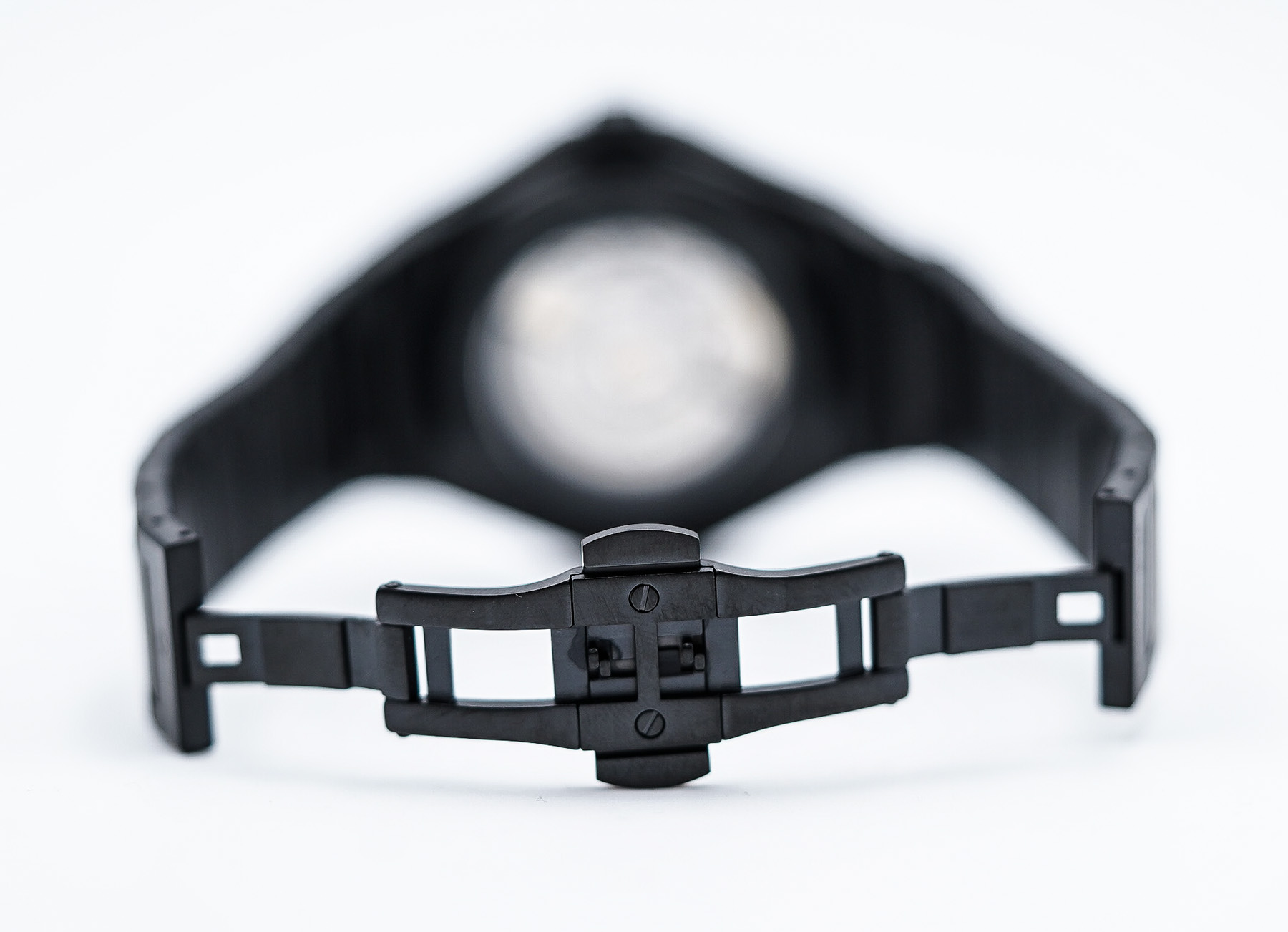
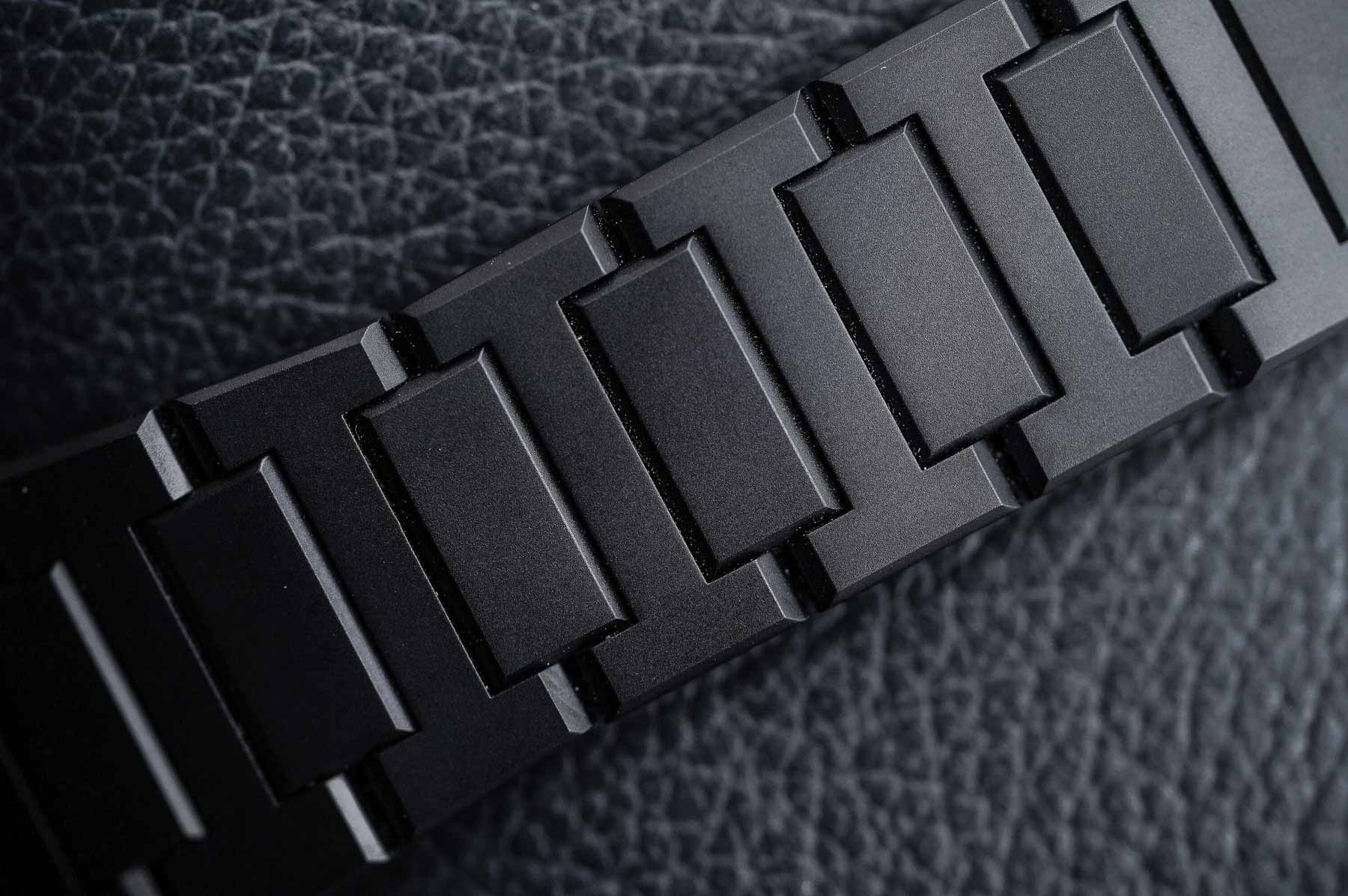
Integrated bracelets often divide opinion. Some feel restrictive, while others transform the character of a watch entirely. Fortunately, the bracelet on the Hercules belongs firmly in the latter category. The angular links mirror the geometry of the case beautifully, creating a seamless transition that makes the watch feel like a single cohesive design rather than separate components joined together. The bracelet reinforces the architectural character of the case and contributes significantly to the watch’s visual identity. Particularly impressive is the hidden folding clasp. When closed, it maintains the clean lines of the bracelet and avoids the bulky appearance often associated with modern sports watches. The overall effect feels refined without sacrificing durability. Despite the integrated appearance, the watch retains excellent versatility. Owners can choose between the bracelet, rubber strap, or leather strap, and the standard 20mm width allows for a wide variety of third-party options. Nevertheless, the bracelet feels like the natural choice. It completes the design and emphasizes the technical, instrument-like character that defines the Hercules.
The MICROMILSPEC Hercules succeeds because it does something increasingly difficult in today’s watch market: it has its own identity. Many military-inspired watches borrow familiar design language from the past. The Hercules instead creates something new. The layered crystal, HUD-inspired display, cockpit-instrument aesthetics, and unapologetically functional design combine to produce a watch that feels genuinely original.
Is it perfect? Not entirely. Some buyers will hesitate at the black PVD coating, particularly those who prefer their watches to age gracefully in bare steel. Others may wish for a longer power reserve than the Sellita’s 38 hours. And at 42mm, it will not be the ideal choice for every wrist. Yet these are relatively minor criticisms when viewed against the overall package. What impressed me most after spending time with the Hercules is that it never feels like a marketing exercise. It feels like a watch designed by people who spend time around military aircraft and understand the visual language of professional equipment. The layered crystal, cockpit-inspired graphics, and highly legible display are not merely decorative features—they are central to the character of the watch and help create an experience that feels genuinely different from anything else in its class.
At EUR 1,990, the Hercules competes in one of the toughest segments of the market. However, very few watches at this price point offer such a distinctive visual experience. Between the remarkable HUD-inspired sapphire crystal, the outstanding lume execution, the robust Swiss mechanical movement, and the genuinely unique design language, the Hercules delivers something many enthusiasts spend years searching for: a watch that doesn’t look like anything else in the collection. And in a world increasingly filled with watches inspired by the past, that may be the Hercules’ greatest achievement. It doesn’t try to recreate history—it creates its own identity. For collectors looking for something genuinely different, yet still rooted in functionality and purpose, the MICROMILSPEC Hercules is one of the most interesting military-inspired watches currently available today.

