
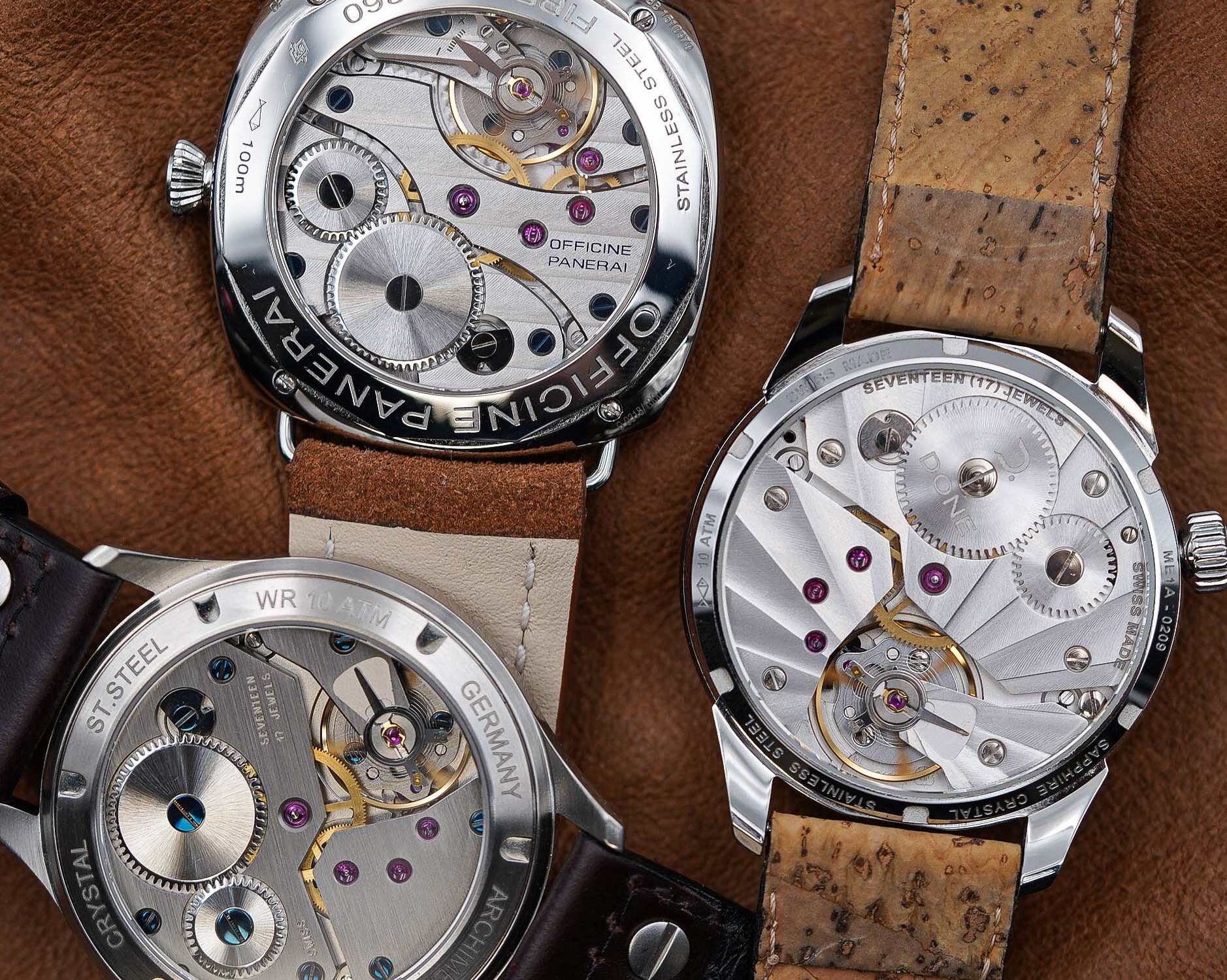
There are movements that impress you with their complications, others with their finishing, and some with the sheer technical ambition behind their construction. And then there are movements like the ETA/Unitas 6497 and 6498. They don’t need perpetual calendars, tourbillons or minute repeaters to earn your respect. They are honest, beautifully proportioned pieces of mechanical engineering that have demonstrated something arguably even more important: longevity. Today, I want to take a closer look at two of my favourite watch movements of all time. In fact, I would go as far as saying that, in my personal opinion, the Unitas 6497 is one of the greatest mechanical movements ever made.
At first glance, this might seem like an exaggerated statement. After all, we are talking about relatively simple, manually wound, time-only movements originally developed in the 1950s. They are large, fairly thick by modern standards, and hardly represent the cutting edge of contemporary horological technology. Yet, somehow, these movements have survived for decades, found their way into hundreds of different watches, and become an important part of modern watchmaking history. How did a pair of seemingly ordinary pocket-watch movements achieve such an extraordinary reputation? And why do watchmakers, independent manufacturers and collectors continue to appreciate them? The answer lies in a combination of intelligent engineering, reliability, serviceability and an almost unlimited potential for modification.
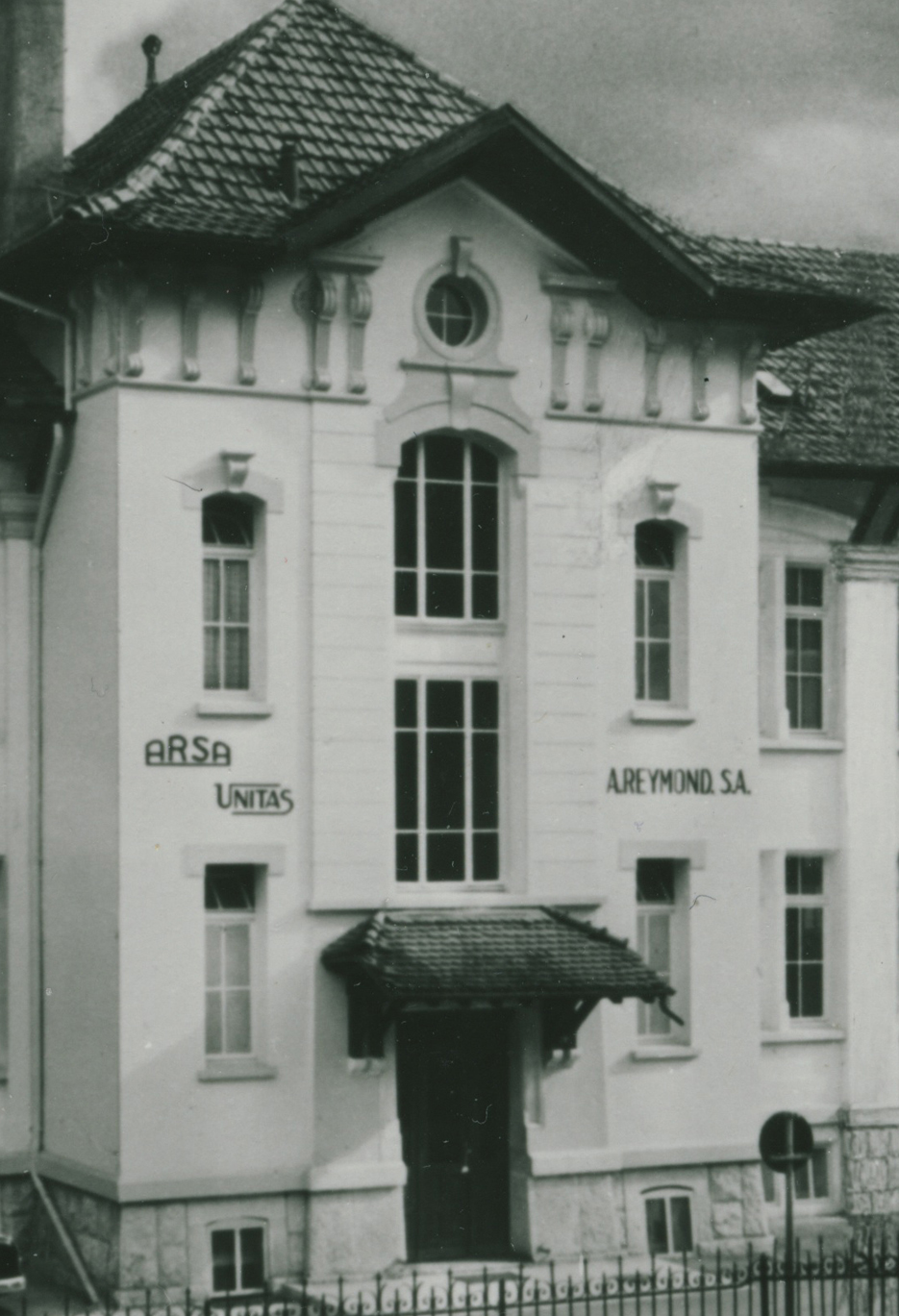
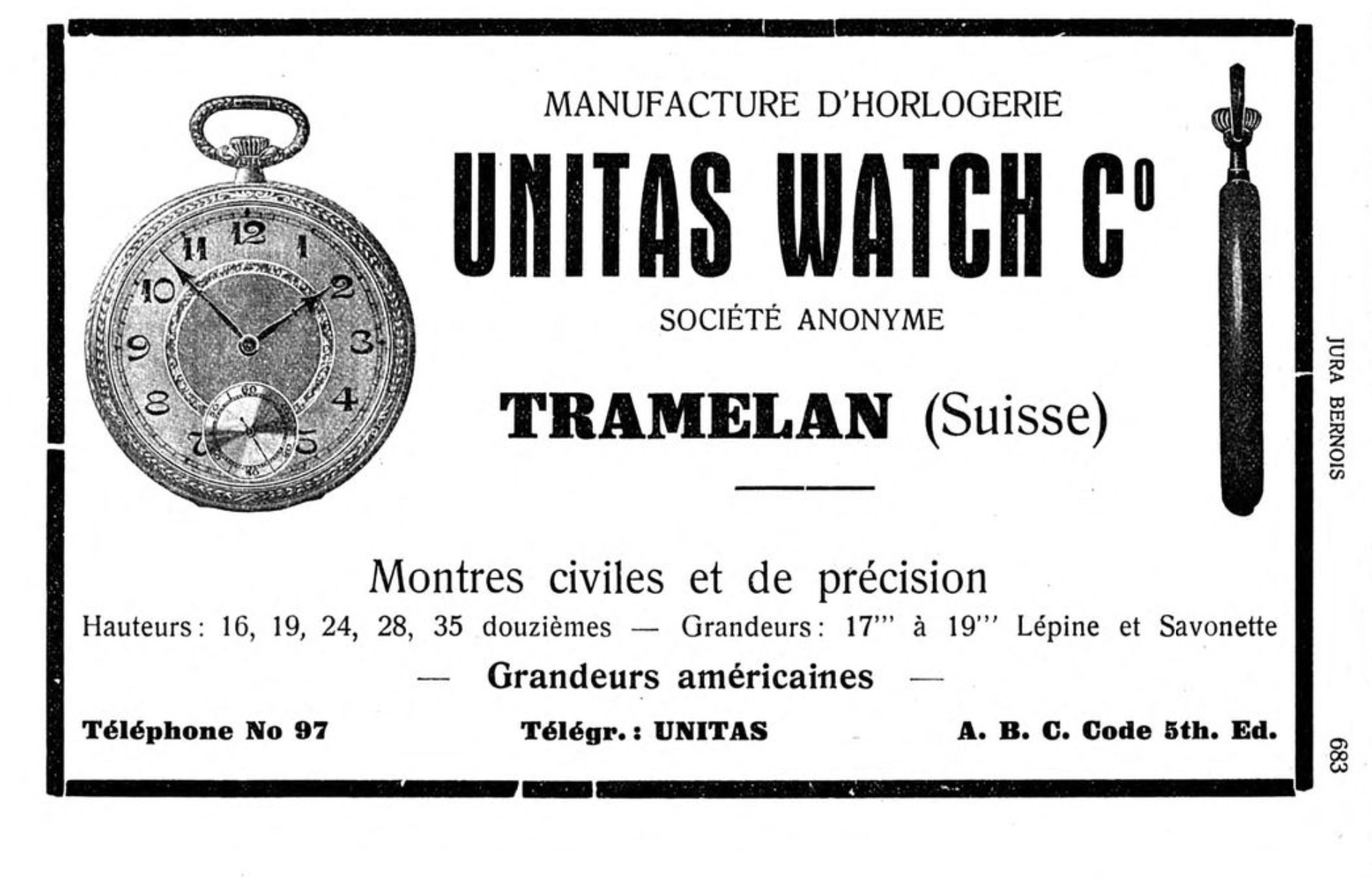
To understand the importance of the 6497 and 6498, we should first look at the company behind their creation. Unitas Watch Co. SA was established in Tramelan, in the Swiss Jura, an area with a long and deeply rooted tradition of watchmaking. The company’s earlier identity was associated with La Trame SA, before it adopted the Unitas name in October 1918. The Unitas trademark was officially registered in March 1919. The early years were not particularly easy. Like many Swiss watch manufacturers, Unitas struggled with the economic consequences of the First World War. Overproduction, financial difficulties and excessive borrowing eventually caught up with the company, which declared bankruptcy in May 1926.
However, the Unitas name was not destined to disappear. In the same year, Manufacture d’Horlogerie A. Reymond SA (ARSA), another watchmaking company based in Tramelan, acquired the Unitas brand. There is an interesting connection here. ARSA was founded by Auguste Reymond (1872–1946), who had originally trained as a banker before entering the watchmaking business in 1898. His entrepreneurial ambitions extended beyond the company itself. In 1906, he acquired Val de Joux Watch Co. in Les Bioux, in the Vallée de Joux, to manufacture movements. The business was subsequently transferred to Reymond Frères SA and eventually became Valjoux SA in 1929. Valjoux, of course, would later become famous for producing some of the most recognisable chronograph movements in watchmaking history, including the legendary Valjoux 7750.
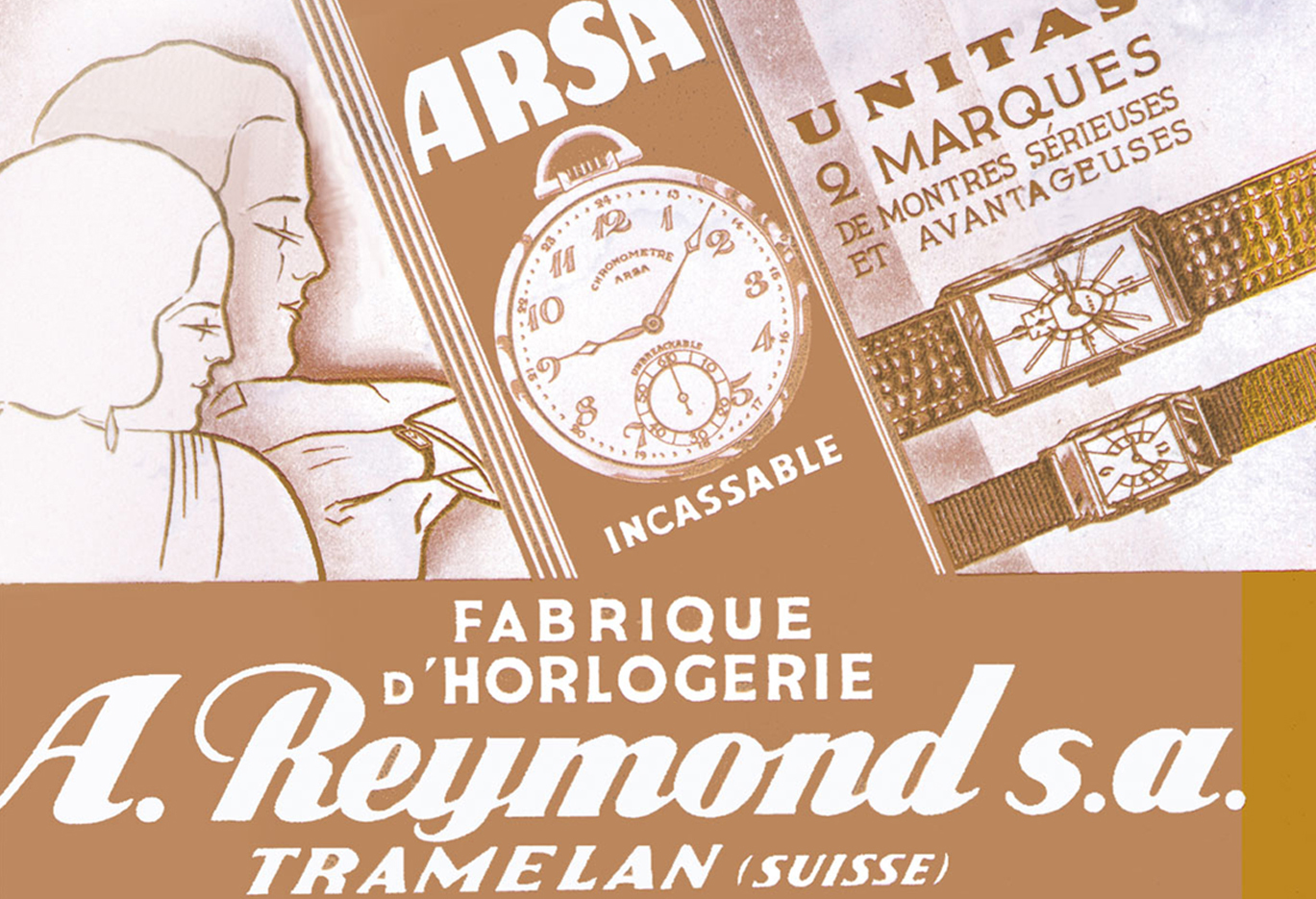
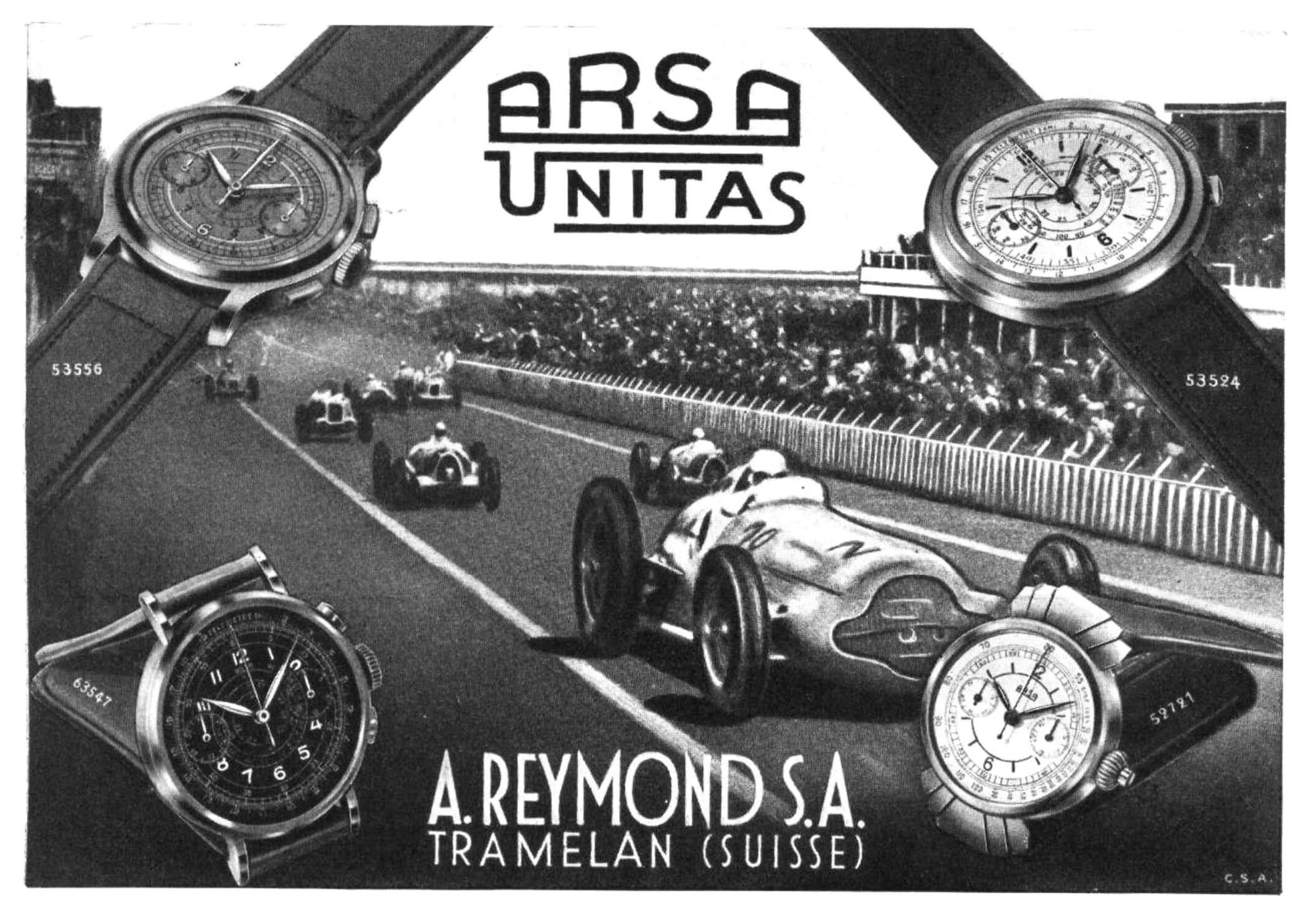
In 1932, Unitas became part of Ebauches SA, the organisation created to consolidate Swiss movement production and strengthen the industry during a difficult economic period. Unitas continued manufacturing movements in Tramelan, eventually becoming part of the ETA division within the Swatch Group. This is an important chapter in Swiss watchmaking history. The development of large movement groups and the consolidation of manufacturers would eventually shape the structure of the modern Swiss watch industry. And somewhere along this journey, Unitas created two movements that would outlive generations of watchmaking trends.
Introduced during the 1950s, the Unitas 6497 and 6498 were designed primarily for pocket watches. They were not intended to become fashionable oversized wristwatch movements, nor were they developed with skeletonised contemporary dress watches in mind. Their original purpose was much more practical: to provide a reliable, accurate and easily serviceable mechanical movement for everyday timekeeping. The movements were subsequently updated and designated ETA 6497-1 and 6498-1 in 1967. Later versions became known as the 6497-2 and 6498-2. Although detailed historical production records are not readily available, their longevity is remarkable. Few relatively simple mechanical movements have maintained such a presence across so many decades and price categories.
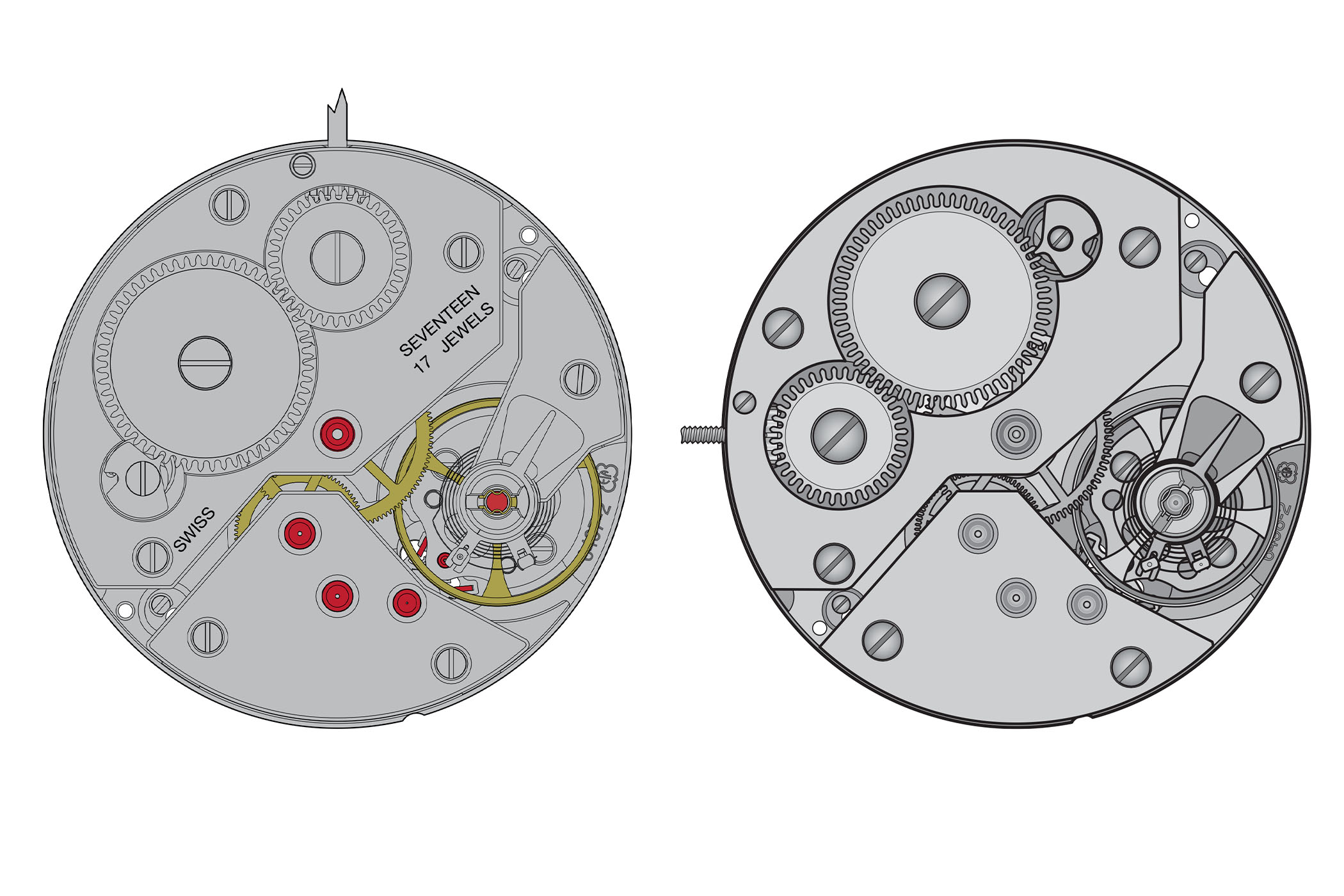
Technically, the two movements share much of their architecture, but there is one very noticeable difference: the position of the small seconds sub-dial. The 6497 is based on the traditional Lépine layout, with the small seconds positioned opposite the winding stem. In a conventional wristwatch configuration, this places the small seconds at 9 o’clock. The 6498, on the other hand, follows the Savonnette, or hunter-style, arrangement, placing the small seconds at 6 o’clock. This distinction might seem purely aesthetic, but it originates in the historical development of pocket watches and their different case constructions.
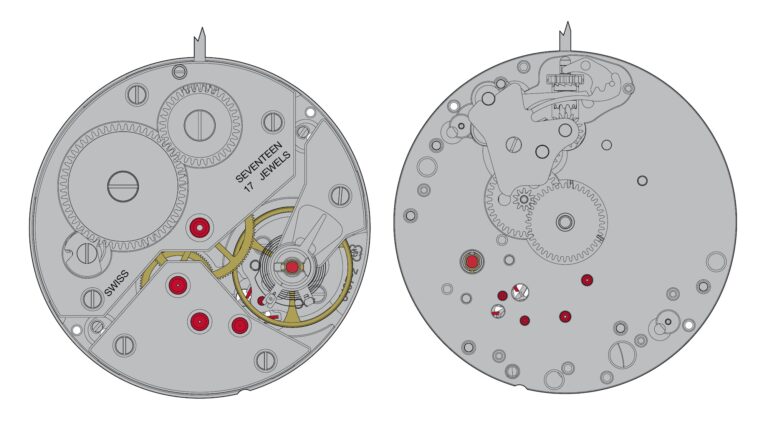
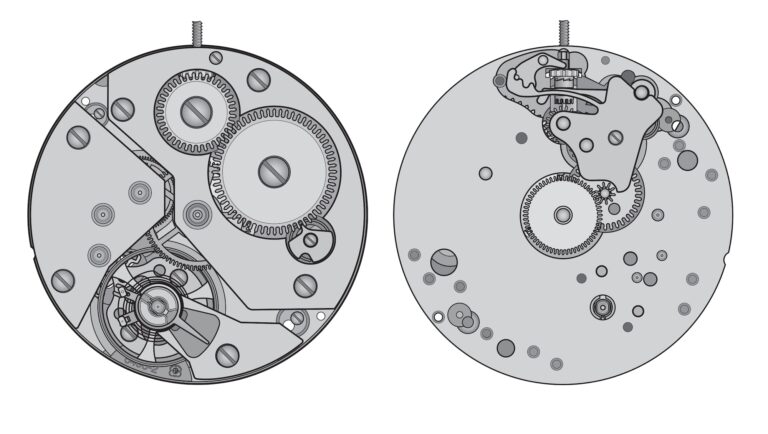
To appreciate the terminology, we need to travel much further back in time, to the 18th century. Jean-Antoine Lépine (1720–1814) was a French watchmaker whose contribution to horology was considerably more important than simply inspiring the name of a movement layout. Around 1770, Lépine introduced a revolutionary approach to movement construction. Traditional pocket-watch movements commonly relied on a relatively complex arrangement of plates, pillars and fusee mechanisms. Lépine developed a construction that replaced the traditional upper plate with separate bridges supporting individual components. He also eliminated the fusee, using a toothed mainspring barrel arrangement.
The result was a thinner, more compact and more accessible movement architecture. This was a major development in watchmaking. The separation of components into individual bridges made movements easier to assemble, disassemble and maintain, while allowing watchmakers greater flexibility in their construction. The principles of this architecture remain fundamental to mechanical watchmaking today. It is worth pointing out that the Lépine designation originally referred to a pocket-watch construction and display arrangement, not simply the position of a small seconds hand in a wristwatch. Over time, however, the terminology became closely associated with the familiar configuration in which the seconds display sits opposite the winding stem. The Savonnette, or hunter-style pocket watch, developed around a different case and display arrangement. Its crown and bow were traditionally positioned at 3 o’clock, with the seconds display on the perpendicular axis. Consequently, the two Unitas movements preserve a small but fascinating connection to centuries of horological development. The 6497 and 6498 are not simply old-fashioned pocket-watch movements. Their architecture belongs to a tradition that helped establish the foundations of modern mechanical watch construction.
One of the most appealing aspects of these movements is their relatively straightforward construction. Both calibres measure approximately 36.6 mm in diameter and 4.5 mm in thickness. In watchmaking terminology, this places them in the large 16¼–16½ ligne class, depending on the designation and measurement convention used. For a manually wound movement, they are relatively substantial. However, this is precisely what makes them so interesting. Their large diameter provides generous space for the gear train, balance assembly, bridges and winding mechanism. Nothing feels particularly cramped, and the individual components are relatively accessible to a watchmaker.
The main technical specifications are as follows:
| Specification | 6497-1 / 6498-1 | 6497-2 / 6498-2 |
|---|---|---|
| Winding | Manual | Manual |
| Functions | Hours, minutes, small seconds | Hours, minutes, small seconds |
| Diameter | 36.6 mm | 36.6 mm |
| Thickness | 4.5 mm | 4.5 mm |
| Frequency | 18,000 vph | 21,600 vph |
| Jewels | Typically 17 | Typically 17 |
| Power reserve | Approx. 46 hours | Approx. 53 hours |
| Hacking seconds | No | No |
Specifications can vary slightly depending on the production version and grade. The original 6497-1 and 6498-1 operate at 18,000 vibrations per hour (2.5 Hz), while the later -2 versions are available at 21,600 vibrations per hour (3 Hz). The increase in frequency provides a smoother movement of the seconds hand, although neither frequency should automatically be considered superior in every respect. The later versions also received several technical improvements, including the Etachron regulator system, revised balance-spring stud arrangements and Incabloc shock protection in certain grades. The power reserve increased to approximately 53 hours, compared with the 46 hours of the earlier versions. One detail worth mentioning is the absence of hacking seconds. When the crown is pulled out to set the time, the seconds hand continues running. This is a small inconvenience for those who enjoy synchronising their watches precisely, but hardly a deal-breaker for a movement of this character.
The first thing that strikes you when examining a 6497 is the size of its components. The gear train, wheels, bridges and balance assembly are generously proportioned. Compared with many modern compact movements, the 6497 looks almost industrial in its construction. And I mean that as a compliment.There is something particularly satisfying about observing the relationship between the individual components. The movement is relatively easy to understand, and its architecture allows the watchmaker to follow the transmission of energy from the mainspring barrel through the gear train and ultimately to the escapement. The movement is also one of the most widely used teaching calibres in watchmaking education. Its relatively uncomplicated construction makes it an excellent platform for learning disassembly, cleaning, lubrication, assembly, regulation and troubleshooting.
However, being simple does not mean being poorly engineered. A properly assembled and regulated 6497 can deliver excellent everyday timekeeping. Its large balance and straightforward architecture make it a particularly rewarding movement to work with. There is also a practical advantage: many components are relatively easy to source, and the movement has a long-established service history. For independent watchmakers and smaller manufacturers, this is extremely important. A movement can be technically impressive, but if servicing it becomes prohibitively expensive or spare parts are difficult to obtain, its long-term appeal becomes questionable. The 6497 and 6498 avoid much of that problem.
Perhaps the most important chapter in the modern history of the Unitas 6497 began during the 1990s. At that time, mechanical watchmaking was experiencing a revival. Quartz watches had transformed the industry during the preceding decades, but interest in traditional mechanical movements was returning. Collectors were increasingly appreciating mechanical craftsmanship, traditional movement construction and the character of watches that did not depend on batteries. At the same time, watch design was beginning to move towards larger cases. And this is where the 6497 found its second life. Its generous diameter, traditional architecture and reliable performance made it an ideal candidate for oversized wristwatches.
One brand, in particular, played an enormous role in bringing this movement to the attention of collectors: Panerai. Originally established in Florence in 1860 by Giovanni Panerai, Officine Panerai had a long history of supplying precision instruments to the Italian Navy. Its military heritage, distinctive case designs and highly legible dials eventually became the foundation of its modern identity. In 1993, Panerai introduced a collection of watches to the civilian market, marking a significant turning point in the company’s history. The early Luminor references, including the famous 5218-201/A, used the Unitas 6497. These watches were enormous by the standards of the early 1990s, measuring approximately 44 mm across. Today, that might not sound particularly unusual, but at the time it was a bold design decision. The movement was perfectly suited to the case. Its large diameter allowed Panerai to retain a relatively traditional mechanical layout while providing the distinctive visual proportions that collectors would come to associate with the brand. The pre-Vendôme Panerai watches, produced before the company’s acquisition by the Vendôme group in 1997, have since become particularly interesting to collectors. The 6497 was not simply a convenient movement choice. It became part of the identity of these early modern Panerai watches. It is also worth remembering that Panerai never needed the 6498 for this particular chapter of its history. The brand’s well-known applications were based on the 6497 family.
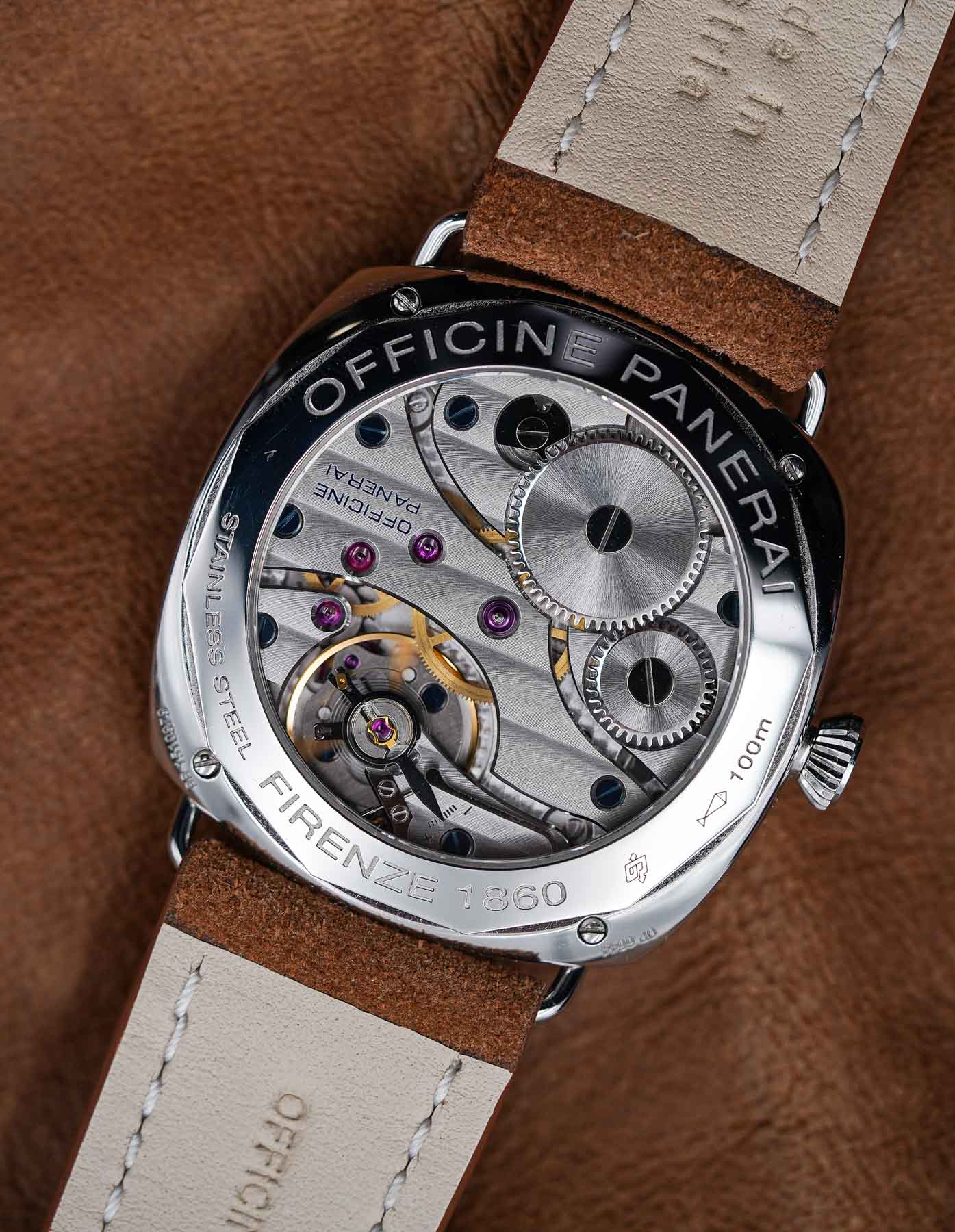
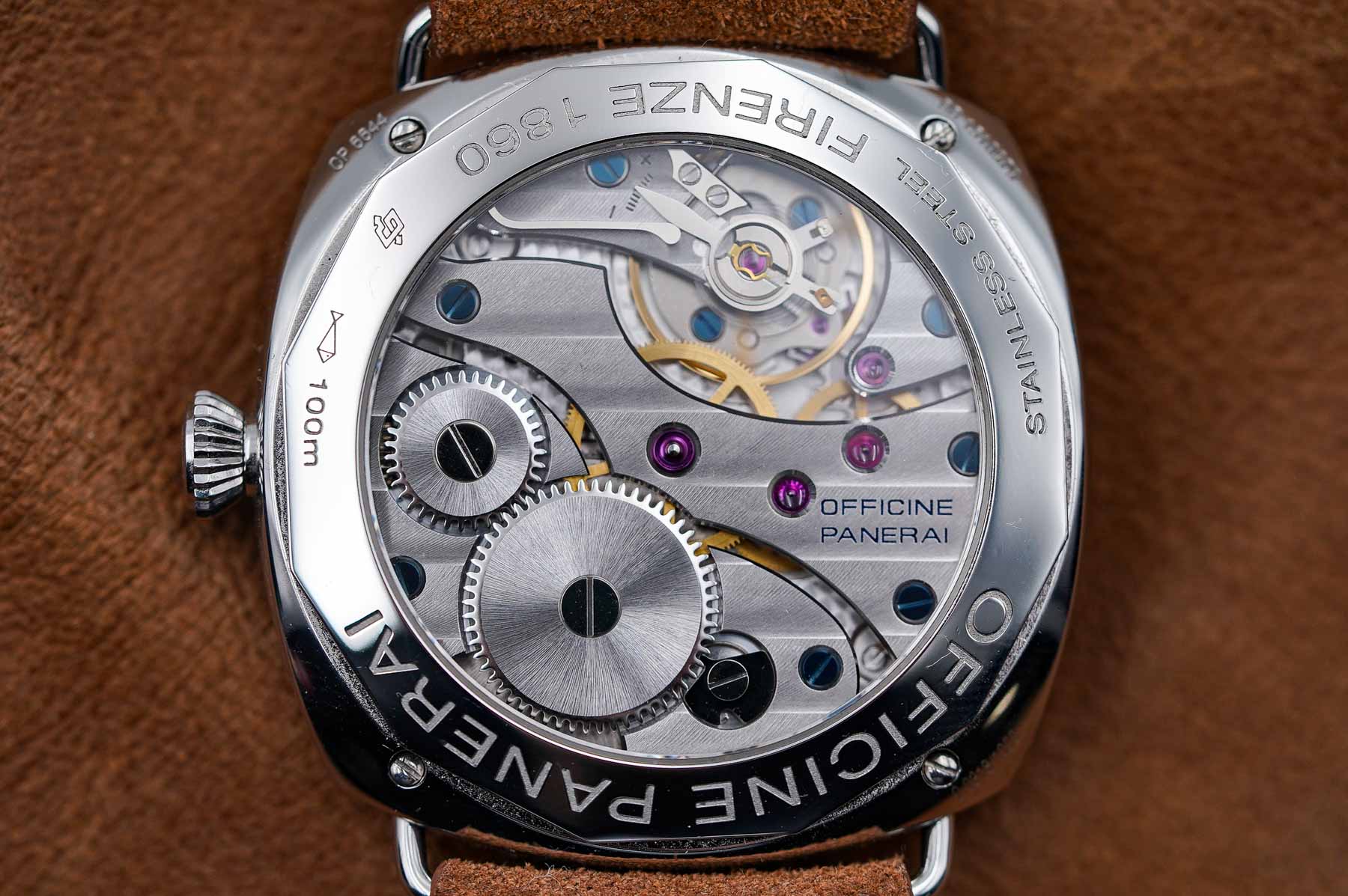
After the acquisition of Panerai by Vendôme in 1997, the brand continued using the 6497 architecture, adapting and finishing it to meet its own requirements.This resulted in a family of movements carrying the OP designation.Among the most recognisable examples are:
OP I – A relatively straightforward variation based on the ETA/Unitas 6497-2 architecture. It was used in Luminor Base models and featured a traditional display without a small seconds indication.
OP II – Based on the same movement family, but retaining the small seconds display at 9 o’clock. It became an important movement for Luminor Marina and other models.
OP X – A later development of the basic 6497 architecture, used in Panerai’s subsequent Base models.
OP XI – A development used in several Panerai references, including models with COSC chronometer certification.
These movements demonstrate how a relatively simple movement can be adapted to the requirements of a luxury watch manufacturer without completely reinventing its underlying architecture. The result was a combination of proven engineering, brand-specific finishing and a distinctive visual identity. And this brings us to one of the most interesting aspects of the 6497: Panerai was certainly responsible for popularising it among collectors, but it was far from the only manufacturer to recognise its potential.
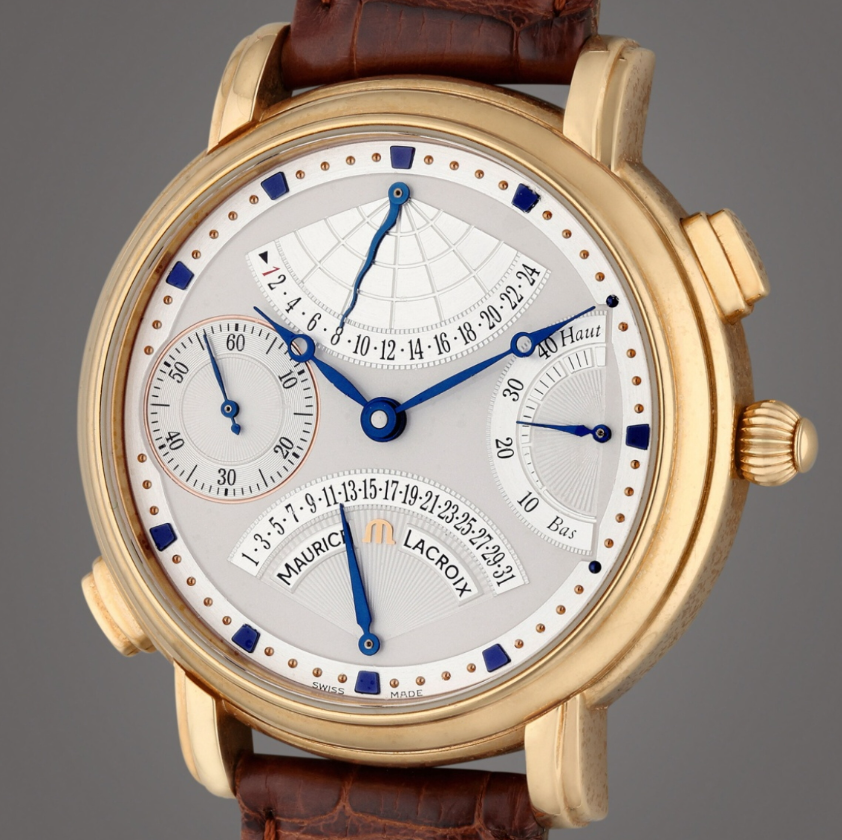
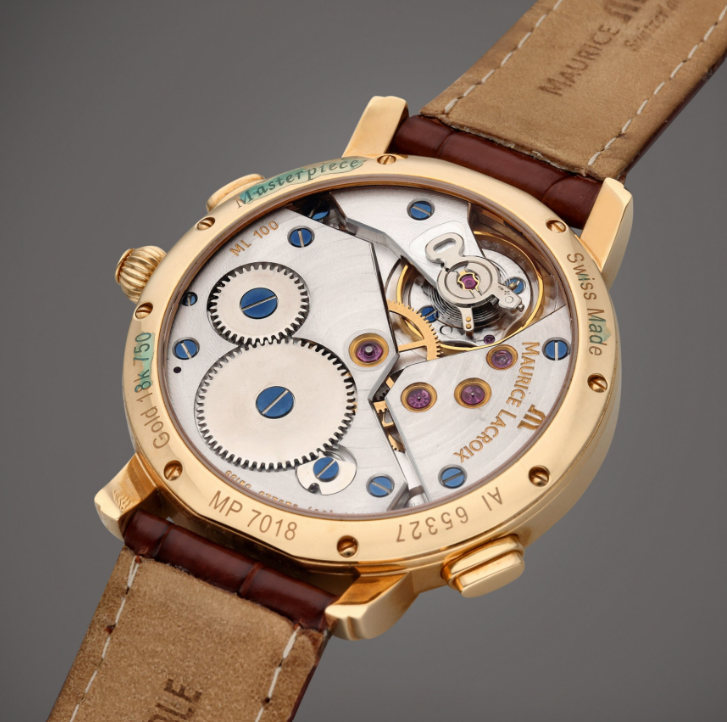
Over the years, the 6497 and 6498 have appeared in watches from an impressive variety of manufacturers. Some used them almost unchanged, while others treated the movements as a starting point for more ambitious horological projects. Maurice Lacroix is an excellent example. The company developed its ML 16 calibre from the 6497 architecture, incorporating skeletonisation and substantially changing the visual appearance of the original movement. The Masterpiece Skeleton collection demonstrated how an ordinary-looking mechanical calibre could be transformed into something much more visually expressive. Maurice Lacroix also developed more complicated watches using the same basic architecture. The Masterpiece MP 7018, for example, incorporated additional indications, including retrograde date and GMT functions, as well as a power-reserve display.
Chronoswiss also deserves recognition. Its C.672 calibre was based on the 6497 architecture but incorporated a central seconds display, hacking seconds, a swan-neck regulator and refined finishing. The result was a movement that retained the robust character of the original while offering a substantially different technical and aesthetic experience.
Other interesting applications include:
- Omega: Modified 6498-based movements appeared in hand-wound Seamaster Aqua Terra models, including the calibre 2201.
- TAG Heuer: The Calibre 1, introduced in 2008, was based on the 6498-1 architecture.
- Alpina: Developed its own AL-435 and AL-650 variations based on the 6498.
- Rado: Used the 6497 architecture in the DiaMaster, including its distinctive aluminium movement construction.
- Longines: Used adapted versions of the 6497 architecture in its Heritage and Master Collection offerings.
- MeisterSinger: Incorporated the movement into several watches, taking advantage of its traditional layout and generous dimensions.
- Laco and Stowa: Used the movement in large pilot-inspired watches.
This diversity is perhaps the best demonstration of the calibre’s versatility. A movement originally designed to power a pocket watch could become the foundation for a modern pilot’s watch, an oversized military-inspired wristwatch, a minimalist dress watch or a highly decorated skeleton movement. Not many calibres can claim such a broad range of applications.
For me, one of the most exciting aspects of the 6497 and 6498 is their continued popularity among independent watchmakers. Large manufacturers often have the financial resources to develop proprietary movements from scratch. Independent watchmakers, however, must approach movement development differently. Using a proven base calibre allows them to concentrate their resources on the areas where they can make the greatest difference: movement architecture, hand finishing, skeletonisation, decoration and additional complications. The 6497 is particularly suitable for this approach. Its relatively large bridges provide generous surfaces for traditional finishing techniques, including perlage, Geneva stripes, bevelled edges and polished steel components. Watchmakers can also redesign bridges, introduce additional displays, modify the regulator system and create entirely new visual arrangements.
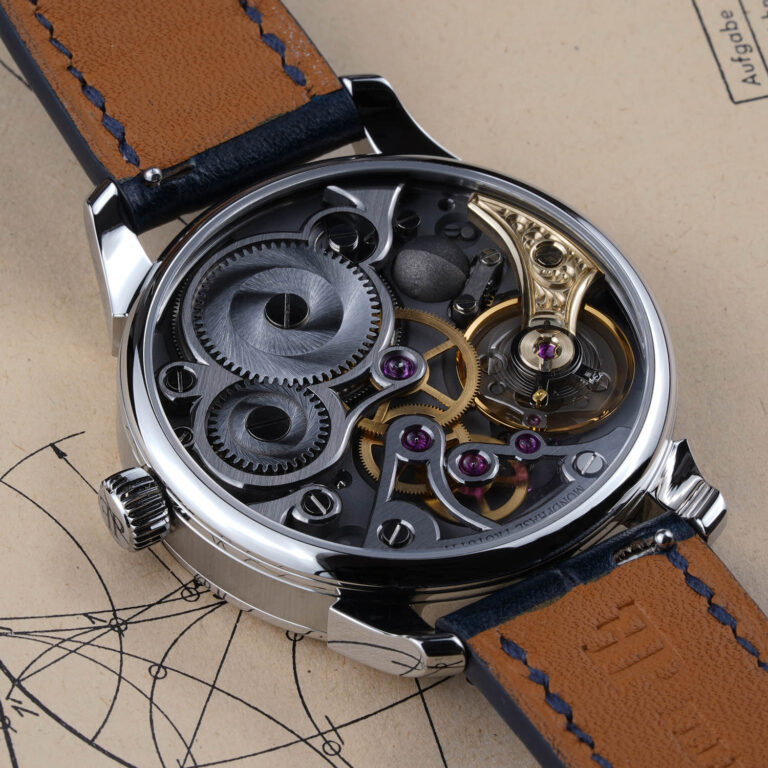
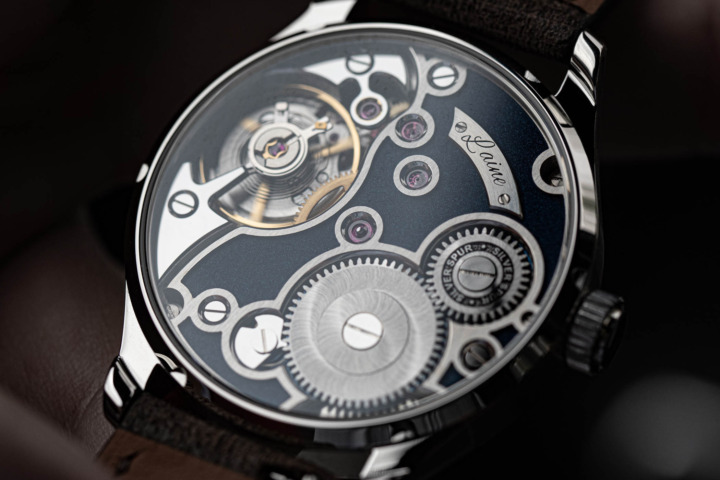
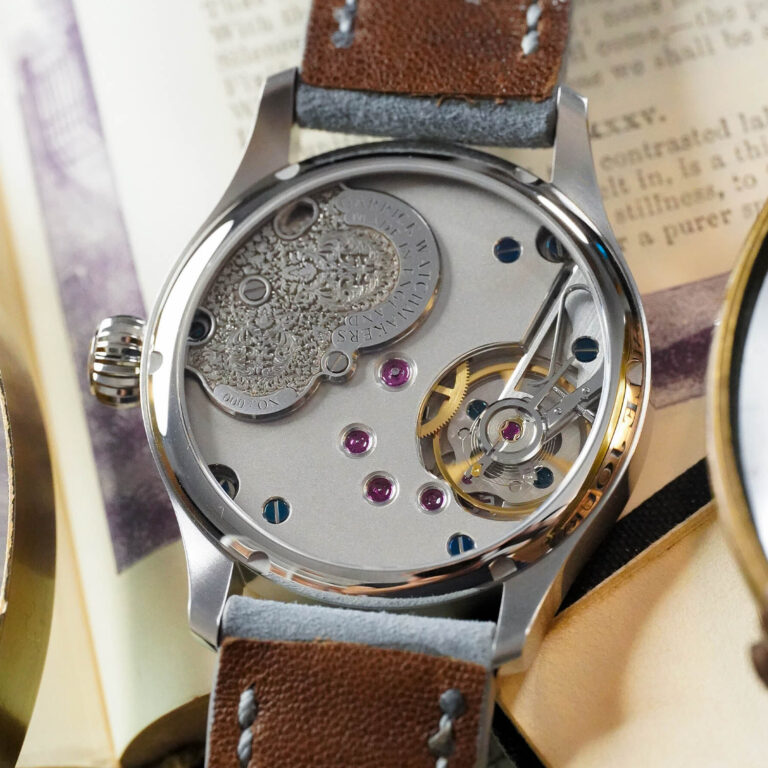
Some of the independent watchmakers who have worked with this movement family include Finnish-born, Swiss-based Torsti Lane, American watchmakers Keaton Myrick and Cameron Weiss, and Canadian Aaron Sarauer. Their work demonstrates that a familiar industrial movement can become something much more personal when placed in the hands of a skilled craftsman. I have also come across some particularly interesting watches from smaller Japanese and Swiss manufacturers. The level of creativity is impressive, and it reinforces an important point: a movement does not necessarily need to be developed entirely in-house to become the foundation of an exceptional watch. Sometimes, the real achievement lies in knowing how to transform an existing mechanism.
Another reason for the 6497’s popularity is its serviceability. Having worked around a watch service centre, I have developed a particular appreciation for movements that are not only interesting to look at but also practical to maintain. The 6497 and 6498 are excellent examples. Their construction is straightforward, spare parts have historically been widely available, and most experienced watchmakers are familiar with their architecture. The relatively large components also make handling easier during servicing. Of course, this does not mean that every 6497 is indestructible or that it can be neglected indefinitely. Like any mechanical movement, it requires appropriate lubrication, cleaning, inspection and regulation. But there is a difference between a movement that merely works and one that is designed in a way that makes maintaining it practical. The 6497 belongs firmly in the latter category. There is also a certain satisfaction in knowing that a movement manufactured decades ago can still be restored and returned to reliable operation without requiring an exceptionally complicated or expensive service procedure. That is an important quality in a mechanical watch.
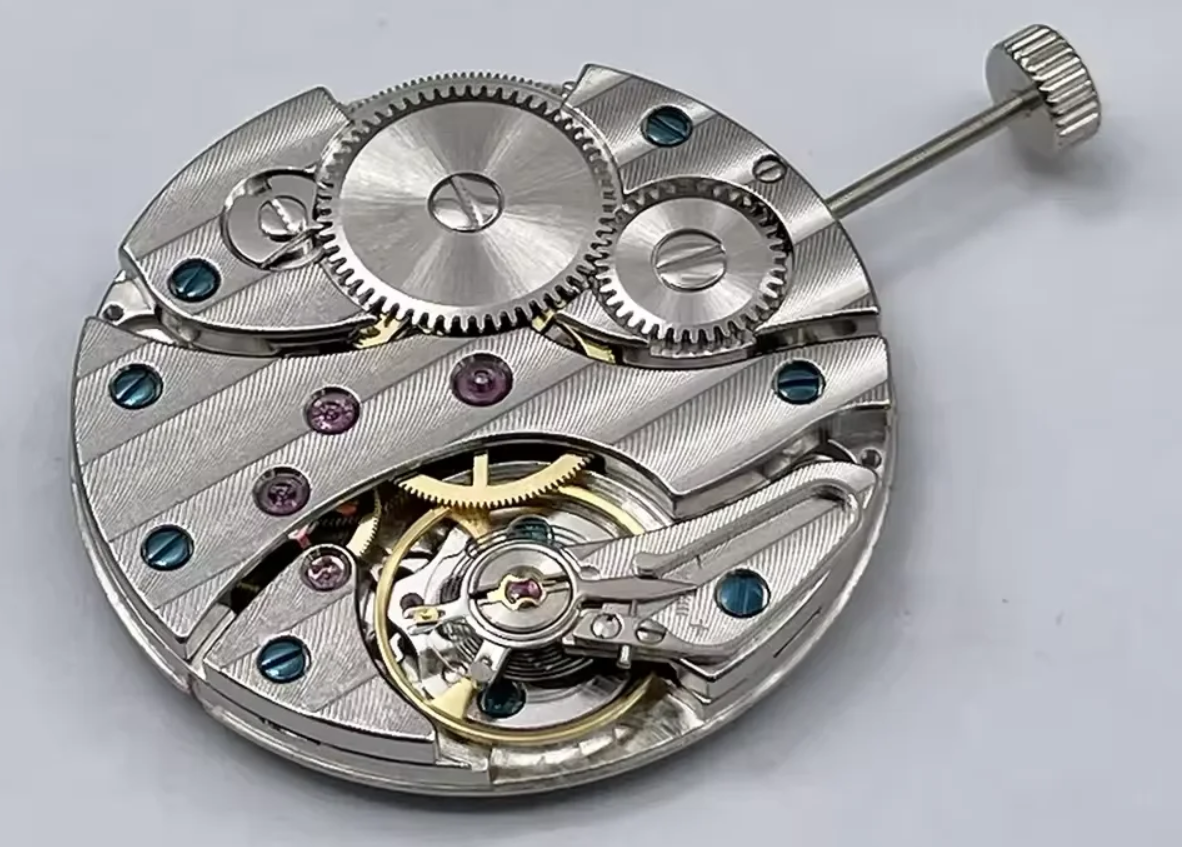
As ETA gradually restricted the availability of its mechanical movements to external manufacturers, independent brands and microbrands began looking for alternatives. One of the most popular solutions has been the Chinese Seagull ST36. Essentially a movement based on the same 6497 architecture, the ST36 offers a relatively inexpensive alternative for manufacturers who want to create large manually wound watches. The price difference can be substantial. While genuine ETA/Unitas movements have historically been available at prices in the region of a few hundred euros, ST36 movements can cost considerably less. However, there are differences in manufacturing standards, quality control, finishing and consistency between individual examples and grades. I would not automatically dismiss the ST36. It can be a perfectly reasonable choice for a budget-conscious microbrand. Nevertheless, when discussing the original Swiss movement, its manufacturing history and its established service ecosystem remain important advantages. For collectors who appreciate the original Unitas and ETA calibres, the distinction is meaningful.
This is probably the most subjective part of the article, but also the one I feel most strongly about. I appreciate complicated movements. I admire the engineering behind a high-frequency chronograph, the precision of a well-executed tourbillon and the ingenuity required to manufacture a perpetual calendar. But if I had to choose a movement based on its practicality, reliability, durability, serviceability and overall character, the 6497 would be very high on my list. The first reason is its construction. The components are generously proportioned, the gear train is straightforward, and the movement has a solid, almost overengineered character. It feels like something designed to last rather than something designed merely to impress in a specification sheet. The second reason is its serviceability. It is relatively inexpensive to maintain compared with many proprietary luxury movements, and its architecture is familiar to watchmakers. Spare parts have also been widely available, making long-term ownership much more practical. The third reason is its versatility. Few movements have been used in so many different interpretations. From basic pocket watches to Panerai Luminors, from skeletonised Maurice Lacroix creations to independently manufactured masterpieces, the 6497 has demonstrated remarkable adaptability.
And finally, there is my own professional experience. Working around a watch service centre gives you an opportunity to see movements in conditions that you would never encounter in a showroom or a glossy manufacturer’s catalogue. I have seen examples of these movements that had been operating for approximately 15 years with visible corrosion and rust inside, yet were still functioning. Of course, this is not an endorsement of neglecting maintenance, nor does it mean that corrosion is harmless. But seeing such examples firsthand gives you a different appreciation of the movement’s underlying robustness. A watch movement that can be relatively easily serviced, restored and returned to operation after years of use has something that many technically more sophisticated calibres lack: practical longevity. And then there is the appearance. With proper finishing, the 6497 can be absolutely gorgeous. Its large bridges, exposed mechanical architecture and traditional layout provide an excellent foundation for decoration. It is a movement that looks mechanical in the most honest sense of the word. No unnecessary complexity. No excessive technological theatre. Just a beautifully understandable arrangement of components performing their intended function.
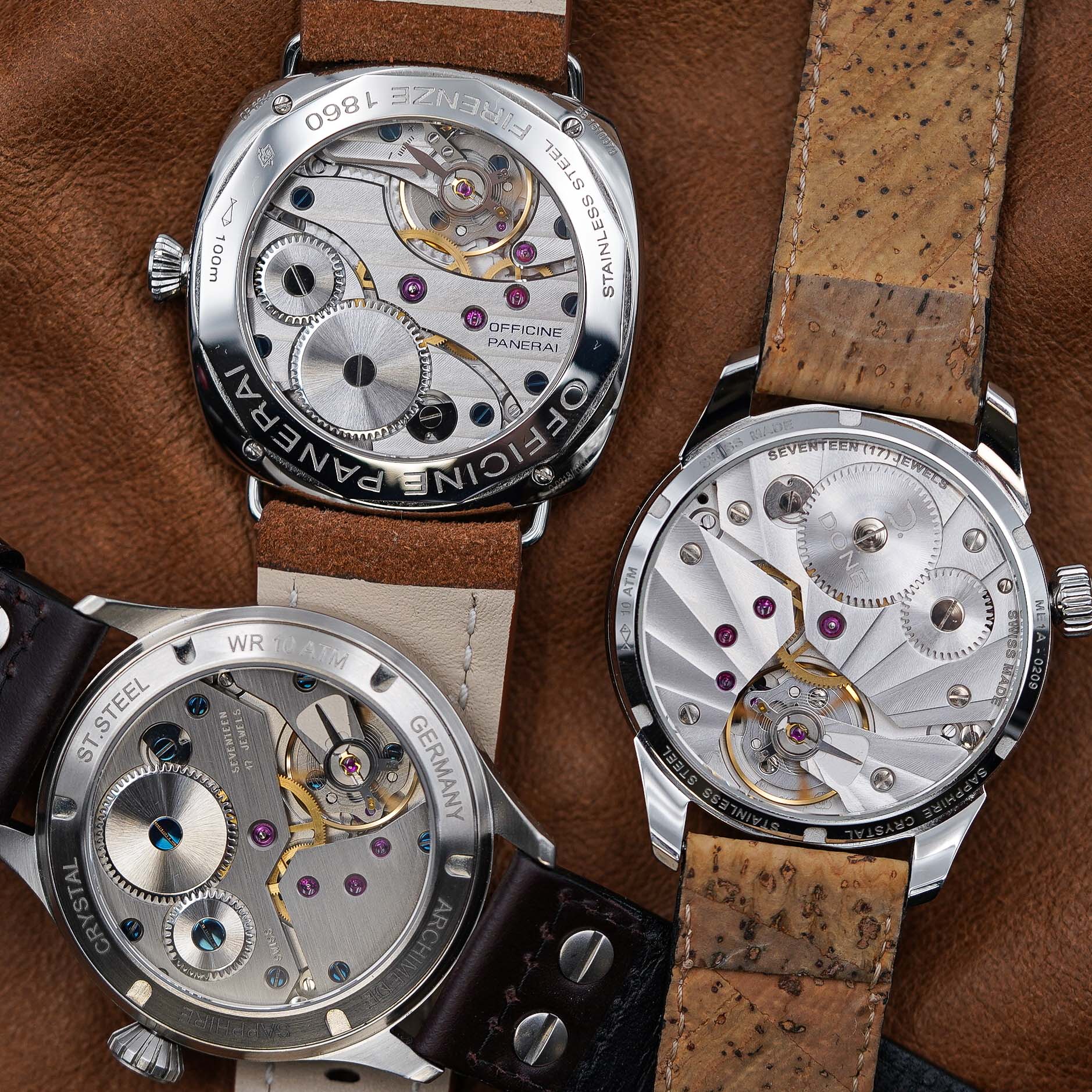
My appreciation for the 6497 is also closely connected to my interest in Panerai. I have always liked the brand’s historical designs, particularly the Radiomir collection. There is something about the cushion-shaped case, the minimalistic dial and the overall proportions that I find particularly appealing. Eventually, I decided that it was time to own one myself. And the movement was certainly part of the reason behind that decision. I recently purchased my first Panerai, the Radiomir Black Seal PAM00183. It is a watch I had been interested in for quite some time, and owning a Panerai powered by this movement family makes the experience even more interesting for me. There is something quite special about wearing a watch whose mechanical architecture has such a long and fascinating history. The movement inside is not some newly developed, highly complicated proprietary mechanism. It is part of a lineage that goes back to the middle of the 20th century, with architectural roots reaching even further into the history of watchmaking. And that is precisely what I appreciate about it. I will be publishing a dedicated review of the PAM00183 soon, including my impressions of the case, dial, movement, wearing experience and overall value.
Looking back at the history of the ETA/Unitas 6497 and 6498, I find it fascinating how far these movements have travelled. They were born as practical pocket-watch calibres during the 1950s. They survived the restructuring of the Swiss watch industry, became part of the ETA movement portfolio, and eventually found an entirely new purpose during the mechanical watch renaissance of the 1990s. They helped establish the identity of modern Panerai, inspired countless independent watchmakers and became an educational cornerstone for generations of watchmaking students. Even today, their architecture continues to inspire manufacturers who recognise the value of a proven mechanical foundation. Perhaps the most remarkable thing is that their original purpose was never particularly ambitious. They were designed to tell the time reliably. And yet, decades later, they remain relevant. In an industry where manufacturers constantly compete to introduce new complications, higher frequencies, thinner movements and increasingly sophisticated materials, the 6497 and 6498 remind us that good engineering does not necessarily need to be complicated. Sometimes, a well-designed movement with robust components, sensible architecture and excellent serviceability can achieve something far more impressive than a specification sheet suggests. I wonder whether the original Unitas engineers could ever have imagined the extraordinary journey their creations would undertake. From a pocket watch in the 1950s to a Panerai on my wrist today. What a wonderful life.


One thought on “ETA 6497/6498 Unitas – Probably the best watch movement ever made!”